Self-growth
 Apps & Digital Tools
 Business & Career
 Success
 Growth Tools
 Psychology
 Communication
 Relationships
You’ll learn
- Why history's shadows color today's justice
- How media shapes our view of race
- The unseen advantage of white privilege
- Feminism's forgotten race battle
- Steps to becoming a proactive ally
first KEY POINT
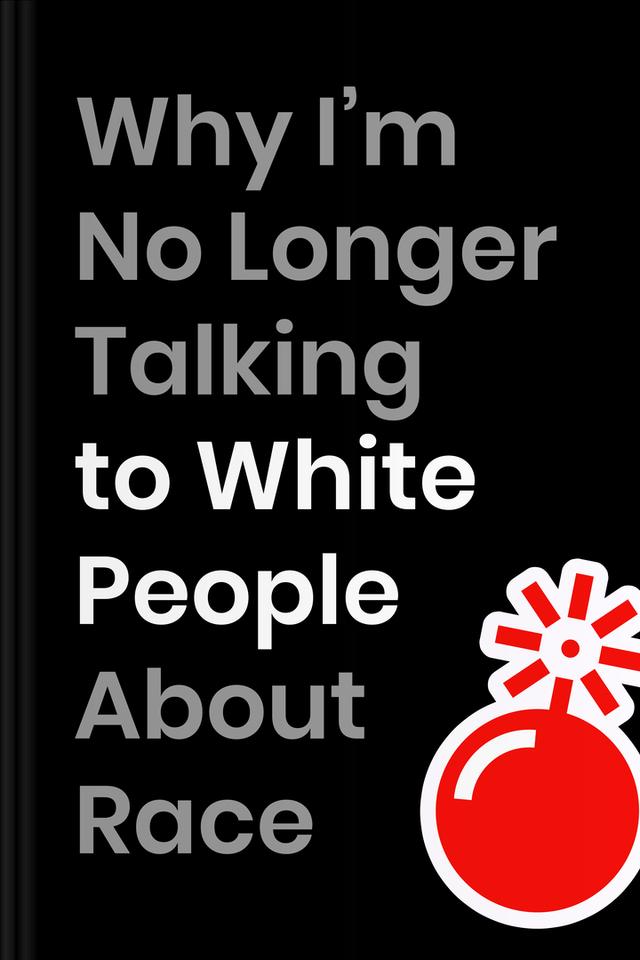
The fight against racism should not be left to Blacks alone, it should be a collective effort from people of all colors. The first step in getting rid of oppression is to accept that it exists in the first place. White British people must understand and agree that racism still exists, and only then can we move forward with fighting oppression.Black history doesn’t get enough representation, and the media needs to do better with the portrayal of black people to the world. Black does not in any way represent evil, and unless this narrative is changed, people will keep on associating the black color with things that are negative.It’s never too late to join the fight against racism, and even though it’s going to be very tough, victory is possible once we remain steadfast in our pursuit for a world free of segregation along racial lines.Reni Eddo–Lodge, through her firsthand experience, has painted the true picture of our society for us. She has exposed the ills, thereby giving us a chance to see our mistakes and correct them. If you intend to know more about racism, and why it’s sometimes draining to talk to white people about it, then this is the right piece.
second KEY POINT
Britain today, like many countries across the world, is still racist. A lot of people might try to deny it, but racism still exists in the country. Unless you are a part of the privileged majority who don’t suffer for the color of their skin, you have to admit that people of different races are not treated the same.Britain has a history of being one of the biggest beneficiaries of slavery. One of the biggest slave ports in Europe is in Liverpool, and the last slave ship to sail across the Atlantic belonged to a Liverpudlian.It takes a collective effort to put an end to racism, but before we can achieve that, we must first learn about the history of slavery, its grave repercussions, and the numerous ways forward.Although we can argue that the tenacity and openness of slavery have decreased to a minimal level, it is still ingrained in the people through their social values. People are still being discriminated against because of their skin color, and Blacks have had it worse. It’s not enough to say that you’re not racist — society has made it impossible for anyone who is Black to enjoy privileges reserved for whites. The problem is not necessarily with anyone who’s white, but with the system which has made it difficult for Blacks to live a normal life.

Continue reading with Headway app
Continue readingfirst KEY POINT
second KEY POINT
third KEY POINT
fourth KEY POINT
fifth KEY POINT
Related blog articles

Elevate the way you learn with Headway — the smart, streamlin...

Discover top apps that help you learn in just 10 minutes a da...

Curious about the Deepstash app? Find out if this app offers ...

The answer to the question "Is Blinkist worth it?" depends on...

Discover practical tips, expert insights, and book-powered to...