Self-growth
 Apps & Digital Tools
 Business & Career
 Success
 Growth Tools
 Psychology
 Communication
 Relationships
You’ll learn
- About mastering political maneuvering
- How to turn regulatory hurdles into victories
- Why customer loyalty is the industry disruptor
- The power of a narrative in political battles
Grow every day with a personalized plan. Start here
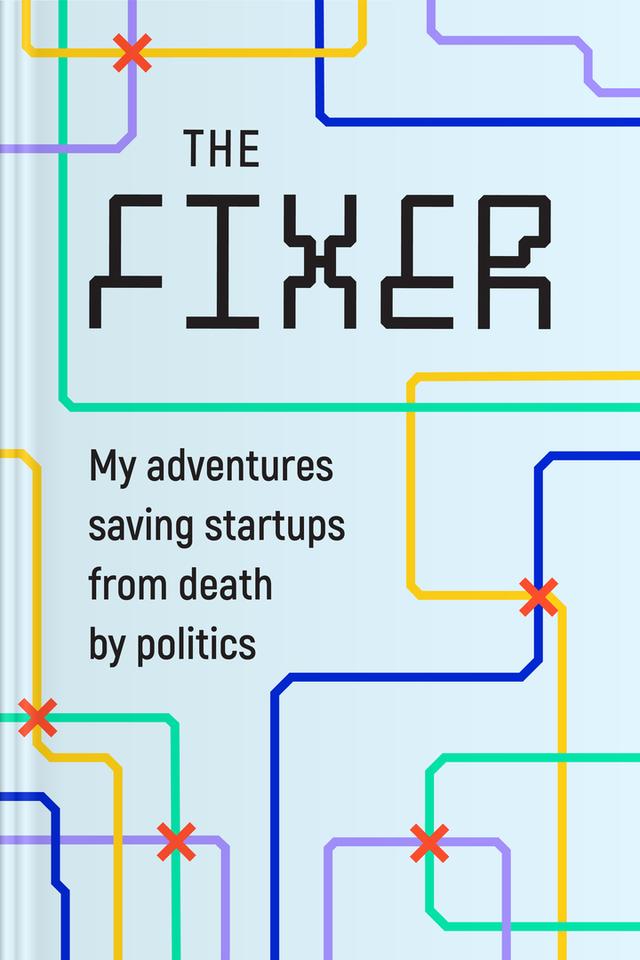
first KEY POINT
When technology causes disruption to an industry, the regulators become defensive and startups have to learn how to play hardball. For example, Uber had to use customer loyalty to fight the New York City taxi lobby and it won. The defensive nature of regulators comes from the fact that they get their jobs via political appointment. The politicians who appoint them get donations from influential people in finance, transportation, health sector, etc. Traditional industries — transportation, energy, health care, education, insurance, finance, hospitality, alcohol, beauty, gaming, housekeeping — don’t look kindly on any form of disruption. They punch back, and they use regulatory bodies to do the punching. This stifles disruption by outsiders and prevents innovation from seeing the light of day.
To fight back, startups need to take their aim at the polls of politicians — that’s their weak point. They are more concerned with getting re-elected than with governing. With a few exceptions — the rare breed — politicians worry about what the media and voters think of them.
There are four basic types of politicians:1. Typical Pols: They preoccupy themselves with validating their insecurities but can also be engaged in hard work under the right circumstances.
2. Ideologues: They are the true believers e.g. the Tea Party, the Green Party, etc.
3. Backbenchers: These are just happy to be in politics and all they care about is re-election.
4. Corrupt Pols: They take bribes, exchange donations for favors, and are in it for selfish reasons.In this summary, you will learn how to overcome the politics that traditional industries use to stifle any company that seeks to disrupt the industry.
second KEY POINT
Politicians always crave public attention and Bradley Tusk understood this while he worked with New York City council member and City’s Parks commissioner, Henry Stern. Tusk ensured that the publicity didn’t stop. He masterminded the presentation of every policy the Park’s department was currently working on to the public. This kept the funds rolling in, presented his boss as a hardworking man to the public, and also kept Stern happy.While Tusk worked a different job with the Democratic senator of New York, Chuck Schumer, creativity was demanded of him. Although Schumer was a junior senator, Schumer understood that there was a gap between what people thought of politicians and what they actually did. Since no one loved the idle politician, Schumer scheduled his activities to accommodate lots of publicity. Tusk and his team were very useful in accomplishing Schumer’s goals.
Continue reading with Headway app
Continue readingfirst KEY POINT
second KEY POINT
third KEY POINT
fourth KEY POINT
fifth KEY POINT
sixth KEY POINT
seventh KEY POINT
eighth KEY POINT
Related blog articles

Elevate the way you learn with Headway — the smart, streamlin...

Discover top apps that help you learn in just 10 minutes a da...

Curious about the Deepstash app? Find out if this app offers ...

The answer to the question "Is Blinkist worth it?" depends on...

Discover practical tips, expert insights, and book-powered to...