Self-growth
 Apps & Digital Tools
 Business & Career
 Success
 Growth Tools
 Psychology
 Communication
 Relationships
You’ll learn
- Why "hello" holds more power than you think
- The unexpected key to reducing turnover
- How leaders' vulnerability can be a strength
- The link between breaks and lower anxiety
Grow every day with a personalized plan. Start here
first KEY POINT
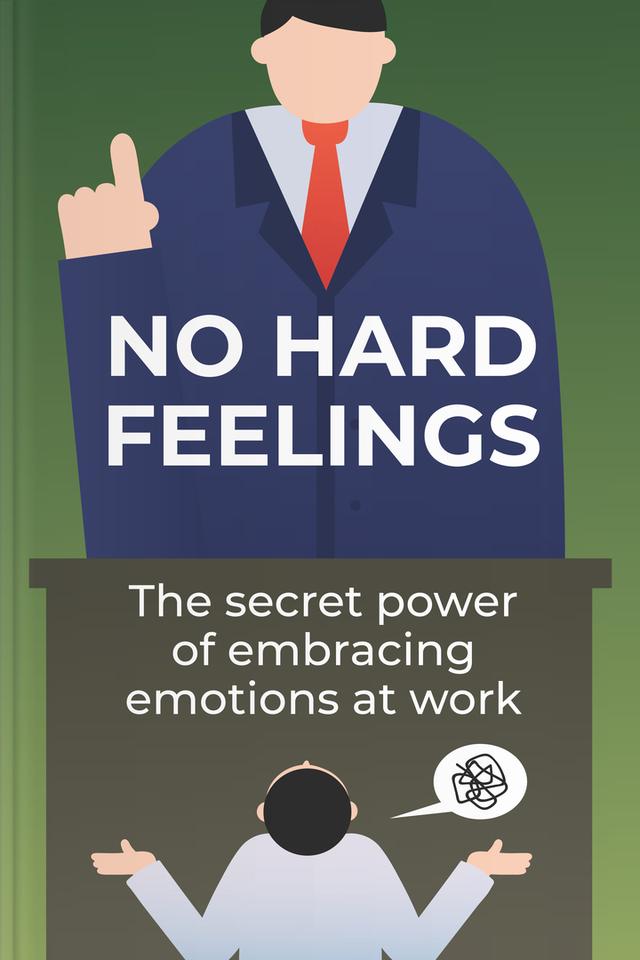
Would you rather work in a large office where individuals say “hi” cheerfully to each other in the corridor and share moments of euphoria or bitterness from time to time or one where individuals seem happy but feel dead inside?A workplace with a healthy emotional culture goes a long way in improving working lives. For instance, a study by Kim Cameron, a professor at the University of Michigan's Ross School of Business, found high staff turnover rates in organizations that discourage appreciation and compassion. Then, a study by Barry Staw, a professor at Berkeley, demonstrated that workers tend to make poor decisions if the managers are rude and often overlook vital information.
Fortunately, it doesn't take a massive upgrade to support emotional expression in the working environment. Take the case of the Ritz-Carlton Hotel Group's 10/5 rule. Their employees are trained to smile and make eye contact once they stroll within ten feet of someone. They say a friendly hello if they are within five feet. The 10/5 rule has been successfully implemented in hospitals, and it appears to make clients, and even the staff, more cheerful.Another approach for creating a positive emotional culture is to develop a sense of belonging. This is a significant investment. A 2017 New York Times article noted that one of the highest causes of turnover is when employees don't feel like they fit in at work. Research by Google demonstrated that workers warmly welcomed by their managers on the first day of work are more productive for at least nine months later.While we have a part to play in developing a healthy emotional culture at work, leaders have a more significant role. This summary shows you how to harness emotions to make positive changes in life.
second KEY POINT
In 2008, Howard Schultz came back to Starbucks as CEO following a break for eight years. He cried on the stage in front of his employees to show his human side. Before his return, Starbucks was having a hard time. They were not making many sales daily. Schultz, who grew up poor, knew that his staff was frightened of what was to come. So, he chose to let out a human emotion that many workers, not to mention CEOs, don’t often do in front of their colleagues.As indicated by a 2012 study in The Leadership Quarterly, leaders need to share how they feel because workers perform better and are friendlier to colleagues when they can personally relate with their leadersHowever, leaders need to contemplate what emotions they share and how they share them. No worker needs to hear that the leader is afraid of the future, with no assurance that things will work out okay.
Continue reading with Headway app
Continue readingfirst KEY POINT
second KEY POINT
third KEY POINT
fourth KEY POINT
fifth KEY POINT
Related blog articles

Elevate the way you learn with Headway — the smart, streamlin...

Discover top apps that help you learn in just 10 minutes a da...

Curious about the Deepstash app? Find out if this app offers ...

The answer to the question "Is Blinkist worth it?" depends on...

Discover practical tips, expert insights, and book-powered to...