Self-growth
 Apps & Digital Tools
 Business & Career
 Success
 Growth Tools
 Psychology
 Communication
 Relationships
You’ll learn
- How to build an effective but liberal discipline
- Why you should always look for a new job
- To prioritize systems over goals
- The importance of connections for self-fulfillment
first KEY POINT
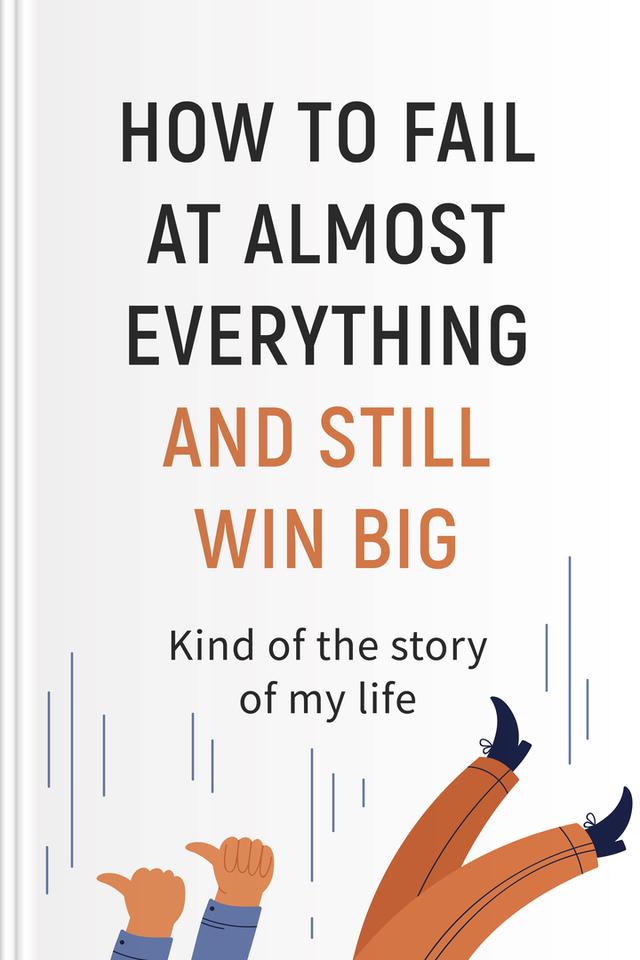
We often find ourselves chasing after goals, as the fast and furious reality expects us to. The promise of happiness and success fuels our sprint, but we run out of breath sooner or later, unprepared for the marathon ahead. Instead of building effective action systems, we set short goals that quickly wear us down. Or at least, that is what Scott Adams thinks.Great things are within human reach if we are ambitious enough to dream of them. Yet, many of us struggle to use our mental strengths effectively. Not because we don't want to — we simply don't know how.It's a misconception to believe that success solely hinges on mental effort; our physical well-being is just as important. Think about it: when you're physically fit, you're healthier and happier. It's like a domino effect; caring for one aspect of your life positively impacts all others.Still, we all need a little luck sometimes, especially nowadays. Being in the right places and situations can increase our chances of stumbling across golden opportunities.Whatever your case is, don't overlook these three elements. The era of romanticizing hustling is over; it's time to be smart with our efforts.
Your trial lesson starts with this question: Are you ready to challenge your default settings and try a new operating system? We hope you are, as the new age of productivity is already upon us. And there's no turning back — only forward into the unknown.
second KEY POINT
There's no shame in desiring success. But not everyone is ready to pioneer new routes; many prefer to tread old trails. The problem is that old methods are no longer effective in a world constantly advancing its understanding of the human psyche. Simply put, the old grind is outdated.Our collective tendency is to imagine goals as a giant cluster of actions without order. It's no wonder why this monster makes us nervous. To overcome this, we must untangle the links of this cluster and group them into an organized system. This shift represents the first step.The second step involves spreading out these actions over time. Think of it like smoothing a crumpled sheet of paper; as it becomes flat, the sheet starts covering more surface. This sheet represents our goal; by “flattening” it, we create a system to follow routinely. The difference is that goals are specific objectives you aim to achieve in the future, while systems are regular activities or processes you follow here and now.
Continue reading with Headway app
Continue readingfirst KEY POINT
second KEY POINT
third KEY POINT
fourth KEY POINT
fifth KEY POINT
Related blog articles

Elevate the way you learn with Headway — the smart, streamlin...

Discover top apps that help you learn in just 10 minutes a da...

Curious about the Deepstash app? Find out if this app offers ...

The answer to the question "Is Blinkist worth it?" depends on...

Discover practical tips, expert insights, and book-powered to...