Self-growth
 Apps & Digital Tools
 Business & Career
 Success
 Growth Tools
 Psychology
 Communication
 Relationships
You’ll learn
- How your belongings play against you
- Why minimalism is a shield for your happiness
- Tips to finally get rid of unnecessary things
first KEY POINT
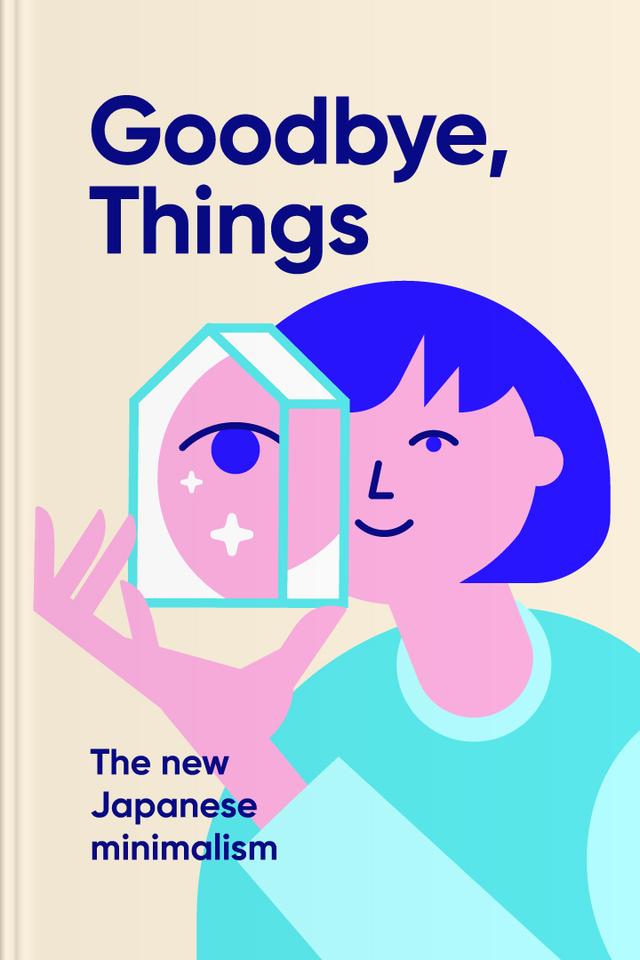
Before immersing into the depths of a minimalist lifestyle, Fumio Sasaki tells several stories about people who transformed their lives by disposing of things they used to consider paramount. Most of them had too many belongings piled up in their apartments for years. But, after becoming minimalists, they kept essentials to a minimum: a single item for decoration, an ascetic set of clothing, and a traditional ‘airy mattress’ as a symbol of Japanese minimalism. Quite often, that’s all they needed. But how do they feel about their minimalist lifestyle? The answer can surprise you: they start seeing themselves more clearly by getting rid of things.
Undeniably, we are afraid of uncertainty, and possessions’ accumulation is nearly a reflex. We tend to believe that having more things will preserve stability or tell other people something like, “Hey, that’s me — the biggest fan of bizarre beer cans! Can you see HOW MUCH I love my stuff?!” You may protest that attachment to material items isn’t harmful, but here’s a thing: when filling our lives with goods, we often infuse them with false meaning. Thus, we think of them as the only source of genuine happiness. And a significant number of soulful pleasures are left in the cold.Where can this material-based happiness lead us? After a while, we become less and less satisfied with what we have. Further, we start assessing the possessions of people we know and comparing our joys with theirs. There’s no need to say that the less wealthy you are, the more pathetic you feel in a world of tangible delight. Thus, freeing space, we dispose of noise and imposed ideas of pure happiness.After exploring this candid, apple-pie-order, and relaxing summary, you’ll strive to revise your relations with things and your perception of happiness. Moreover, you’ll learn working techniques helpful to kick the habit of cluttering. So even a tiny thought about comparing yourself to others or diminishing your accomplishments won’t visit you after this minimalist voyage. Explore a secret recipe for a happy life in rational Zen!Did you know? Researchers found that an average person will spend approximately 4,000 hours looking for things out of place during their lifetime.
second KEY POINT
People gravitate toward minimalism from the very beginning of their lives. Think about it: no one is born owning dozens of garden gnomes or guitar picks.
Continue reading with Headway app
Continue readingfirst KEY POINT
second KEY POINT
third KEY POINT
fourth KEY POINT
fifth KEY POINT
Related blog articles

Elevate the way you learn with Headway — the smart, streamlin...

Discover top apps that help you learn in just 10 minutes a da...

Curious about the Deepstash app? Find out if this app offers ...

The answer to the question "Is Blinkist worth it?" depends on...

Discover practical tips, expert insights, and book-powered to...