Self-growth
 Business & Career
 Success
 Communication
 Healing
 Relationships
 Psychology
 Happiness
Experts agree that keeping your brain active is important for long-term health. In fact, consistently challenging your mind is a key part of improving brain fitness.
If you are looking for the best brain training apps to improve memory, focus, and mental function, you are in the right place. Tools like Lumosity, Headway, and Impulse provide daily exercises to boost your brain power and productivity without taking up hours of your time.
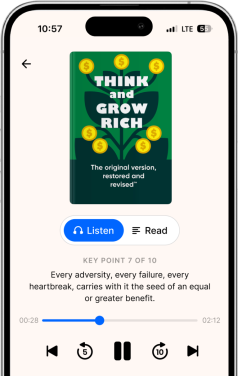
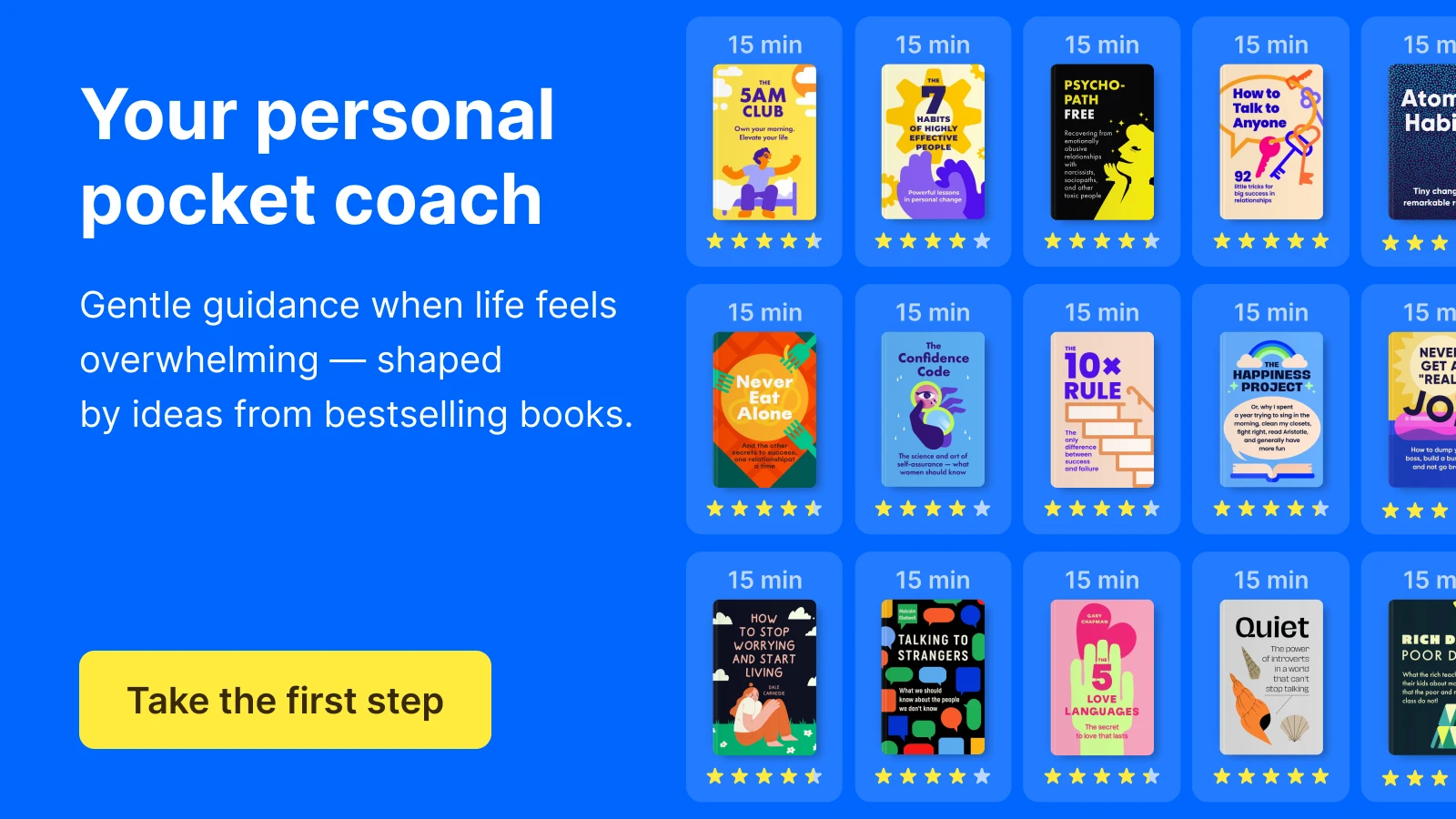
While some apps offer games and puzzles, Headway focuses on expanding your knowledge and mental habits daily. You get bite-sized wisdom, audio and text summaries, and customized growth plans in one place!
📘Download the Headway app today to get access to daily learning bites!
Quick list: Five best brain training apps
If you want to skip the reading and get straight to downloading, here's our quick list of the top choices.
Lumosity – Best for brain exercises.
Headway – Best for microlearning and self-growth.
Peak – Best for individual brain training.
Nibble – Best for interactive microlearning with quizzes and bite-sized lessons.
CogniFit – Best for a scientific approach to cognitive development.
📘 Sharpen your mind and stay ahead of the competition — try Headway!
The top eight apps for brain training
Now we'll look more closely at the best brain-training apps available on the App Store and Google Play. We analyzed features, pros and cons, and pricing to help you decide which one fits your life.
1. Lumosity
Price: Free limited version; Premium is around $11.99 a month or $59.99 a year.
Best for: Lumosity set the industry standard. If you want a fun way to test your cognitive abilities with colorful graphics and quick sessions, this is a solid choice.
Lumosity is often the first name people hear when discussing brain training apps. It has been around for years and uses games designed by neuroscientists to target specific areas of the brain. Lumosity feels very much like a game, which makes it easy to stick with.
Features
Daily workouts that change every day.
Games targeting memory, attention, speed, flexibility, and problem-solving.
Progress evaluation to see how your scores compare to others.
Pros
Fun and engaging brain games that do not feel like homework.
Used by millions, so the data for comparison is huge.
Available on iOS and Android.
Cons
The free version is very limited (only three games per day).
Some users find the games repetitive after a few months.
2. Headway
Price: Offers a free trial; subscriptions vary by region or plan.
Best for: Headway is perfect for anyone who wants to replace bad phone habits with good ones. It helps you build a growth mindset by learning from the world's best minds.
Headway is unique on this list. While other apps use puzzles, Headway uses knowledge. It provides microlearning lessons and 15-minute book summaries that help you grow. Headway exercises your brain by feeding it new concepts and viewpoints, which is a powerful way to build neuroplasticity.
Features
Summaries of top nonfiction books in text and audio.
Daily challenges for self-growth.
Spaced repetition features help you remember what you learn.
Curated collections based on your goals (like productivity or health).
Pros
Replaces doomscrolling on social media with learning.
Covers a wide range of topics from mental health to business.
Beautiful, award-winning design.
Cons
Focuses on learning concepts rather than reflex games.
📘 Give your brain the daily workout it deserves with Headway!
3. Peak
Price: There's a free basic version, while the Pro version costs about $4.99 a month or $34.99 a year.
Best for: Peak is perfect for those who love a little competition with themselves and want to keep tabs on their mental agility.
Peak focuses on short, intense workouts. It is designed to push your cognitive skills hard in short bursts. The app calls itself a "mobile gym for your brain," and the design is sleek and modern.
Features
"Coach" feature that plans your brain training program based on your performance.
Over 45 games and quizzes covering six categories.
Advanced statistics to visualize your brain map.
Pros
The interface is sleek and professional.
Training is tailored to fit your skill level.
There are specific modules for focused training.
Cons
It may be challenging for newcomers.
To access all the stats, you'll need a subscription.
4. Elevate
Price: Free limited version; Pro is about $39.99 a year.
Best for: If you want to improve your speaking or calculate a tip at dinner, Elevate is the best choice. It directly influences your confidence in social and job settings.
Elevate takes a different approach. You practice reading, writing, speaking, and math. It feels more like a career and daily life training plan than a video game.
Features
35 or more games for cognitive skills like focus and processing.
Difficulty levels adjust as you improve.
Performance tracking against distinct skill groups.
Pros
Practical skills you can use immediately in work or school.
Helps improve vocabulary and math confidence.
Workouts are quick and efficient.
Cons
Less focus on memory than other apps.
The visual style is rather primitive.
📘 Build a sharper, more focused mind in 2026 with Headway!


5. CogniFit
Price: Free basic assessment; Subscriptions start around $19.99 a month.
Best for: If you want something that feels medical and precise, CogniFit is the leader. It is excellent for tracking changes in processing speed and memory over time.
CogniFit is often used by healthcare professionals and researchers. The app offers a serious assessment of your cognitive function and tailors a regimen to help.
Features
Scientifically validated tasks.
Specific programs for conditions like ADHD or impairment.
Detailed reports on brain health.
Pros
Very thorough initial assessment.
Good for older adults concerned about decline.
Offers games that are also used in clinical studies.
Cons
The interface is not as modern as Peak or Headway.
It can be more expensive than casual game apps.
6. NeuroNation
Price: Free limited version; Premium options available.
Best for: NeuroNation is a strong contender for those who want an advanced approach to mental health and cognitive speed.
NeuroNation focuses on three main areas: memory, concentration, and perception. It was developed with the help of German neuroscientists and is very popular in Europe.
Features
Courses that address specific weaknesses.
Brain training games that adapt in real-time.
Comparison with people in your age group.
Pros
Clear focus on preventing mental burnout.
Effective training exercises for working memory.
Strong community features.
Cons
Some translations in the app can be clunky.
Visuals are a bit dated.
📘Keep your cognitive skills agile and strong — start Headway!
7. Impulse
Price: Free 3-day trial; Weekly subscription around $7, annual plans available from $30 to $40.
Best for: Impulse is perfect if you want a brain training app that feels modern and accessible. Its mix of logic puzzles and mental health tools makes it a great all-around choice for keeping your mind sharp.
Impulse has quickly become a favorite for its visually satisfying puzzles and focus on mental well-being. It's particularly popular for its clean, modern interface that makes brain workouts feel relaxing rather than stressful.
Features
Varied brain training games covering memory, focus, and problem-solving.
Personalized workout plans based on your initial assessment.
Personality tests and IQ-style challenges.
"Apple App of the Day" in over 50 countries.
Pros
Great for reducing doomscrolling habits.
Simple, intuitive design that's easy to navigate.
Includes specific exercises for ADHD and anxiety management.
Cons
The free version is quite limited with frequent ads.
Subscription costs can be higher than those of competitors.
8. Nibble
Price: Free version available; Premium subscription required for full access. Subscription starts from around $11.99/month (or ~$49.99/year).
Best for: If you want a lighter, more engaging way to learn and stay mentally active without feeling like you're "training your brain," Nibble is a great choice. It's perfect for people who prefer quick wins over long sessions.
Nibble takes a different approach than classic brain-training apps. Instead of focusing only on memory or logic games, it helps you build real-world knowledge through short, interactive lessons. The app mixes learning with quizzes, making it feel more like a quick mental refresh than a structured workout.
Features
Short, bite-sized lessons across topics like psychology, self-growth, and finance.
Interactive quizzes to reinforce knowledge.
Personalized learning paths based on your interests.
Progress tracking with streaks and achievements.
Simple, swipe-based interface for easy navigation.
Pros
Easy to fit into a busy schedule.
More practical knowledge, not just abstract brain games.
Engaging and less repetitive than traditional brain training apps.
Cons
Less focused on pure cognitive metrics like memory scores.
Not designed for clinical or scientific brain assessment.
📘 Keep your mind active in a simple, consistent way — try Headway!
How do brain training apps help with cognitive decline?
As we age, our brains naturally change. Many people worry about cognitive training for older adults. The goal is to keep the mind active to slow down natural decline.
Research suggests that neuroplasticity — the brain's ability to reorganize itself — persists throughout life.
Brain workouts challenge your brain to form new connections. Apps like Impulse have shown promise in studies on processing speed in seniors.
Besides, complex ideas keep your mind sharp. Reading about new subjects helps maintain cognition. That's why educational apps are often recommended alongside traditional training games.
Headway's unique approach
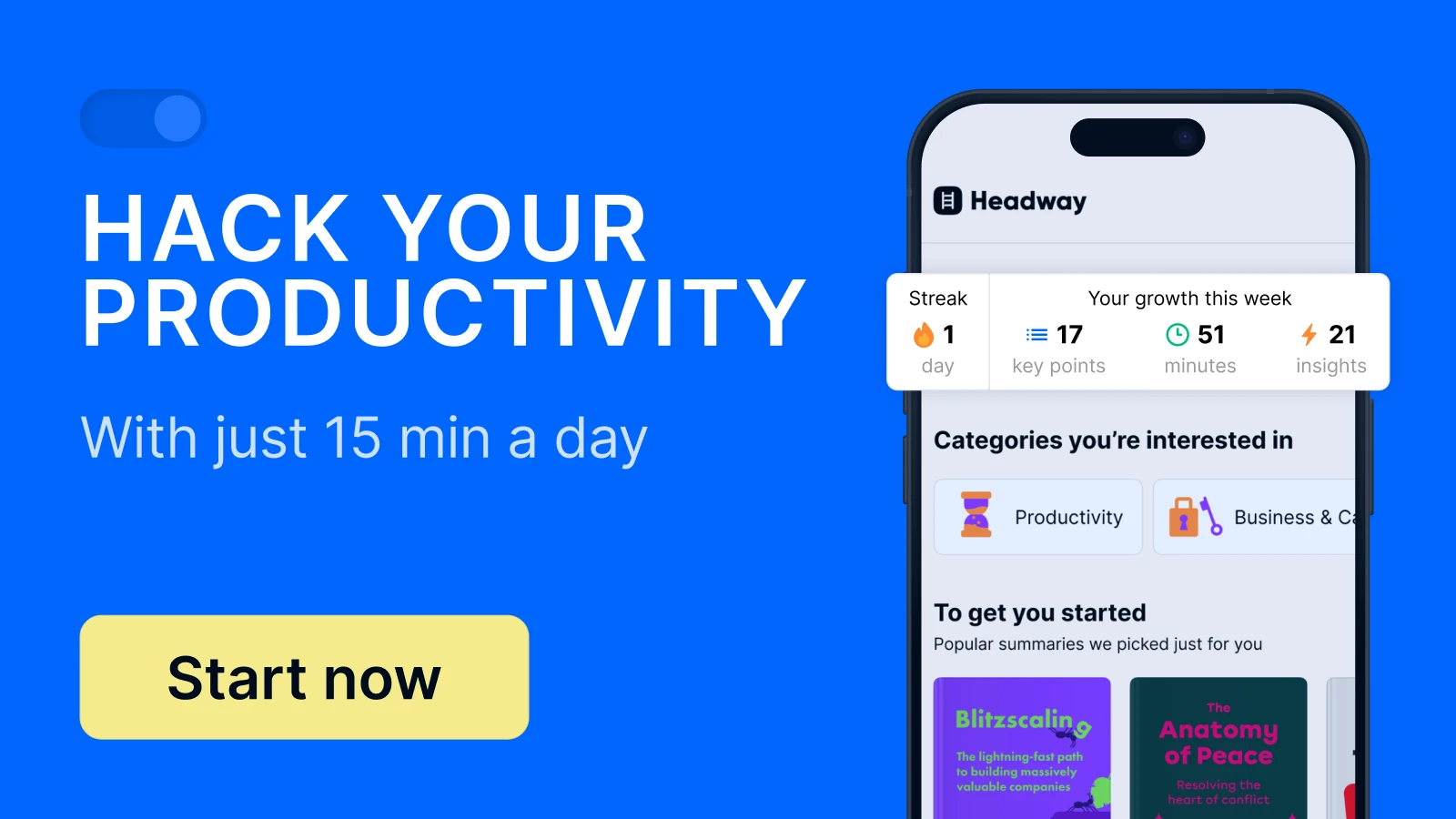
Another method is to train your focus through sustained reading or listening. Headway helps here by asking for just 15 minutes of focus at a time.
This approach builds your "focus muscle" gradually, making it easier to concentrate on longer tasks later. You can find more tools in our list of productivity apps.
For a more holistic approach, consider the best learning apps that teach you new skills. Learning a new language or a new topic is one of the best ways to keep your brain young.
If you are looking for free microlearning apps to start this journey, Headway offers a great entry point into the world of personalized growth.
📘Unlock your brain's full potential with daily practice on Headway!
Turn self-growth into your daily habit with the Headway app!
Choosing the best brain training app is really about finding one that suits your lifestyle and goals. So, whether you want to play fun games, improve your reaction speed, or find new ideas to expand your knowledge, there's definitely an app that fits the bill.
The most important thing is to get started. Just replacing 15 minutes of mindless scrolling with a brain workout can lead to significant improvements in your mental health and cognitive sharpness over time.
If you're seeking a more comprehensive yet easy-to-handle approach to learning and personal growth, the Headway app is a great choice. It offers audio summaries of top nonfiction books on self-improvement, daily challenges, and personalized collections.
📘Download Headway to boost your personal development!
FAQs
Can brain training apps improve your IQ?
Most research shows that while apps improve your performance on specific tasks in the game, they don't necessarily raise your general IQ. However, they can help sharpen skills like reaction time and focus, which makes you feel sharper in daily life.
Which brain training app is best for beginners?
Lumosity is often a good place to start because it's simple and colorful. However, for those who want a real-life application immediately, Headway is excellent because it's easy to read and provides instant value through knowledge.
Are there free versions of these apps?
Yes! In fact, nearly all the apps on the list offer free versions. These typically come with some limitations on daily games or content, but they're a great way to give them a spin before deciding to buy.
Do these apps help with ADHD?
Definitely! Some apps have specialized modules to help with ADHD. While they can't replace professional therapy, they can help users practice focus and impulse control in a safe environment.
How often should I use brain training apps?
Consistency is key. Most experts recommend short sessions of 15 to 20 minutes, three to five times a week. Daily practice is ideal, which is why apps with daily workouts work best.