Self-growth
 Business & Career
 Success
 Communication
 Healing
 Relationships
 Psychology
 Happiness
We chase that next big thing, thinking it'll finally make us "happy."
Whether it's a promotion, a new car, or even just a weekend getaway, that spike of joy usually fades faster than we'd like. That's because there's a massive difference between short-term pleasure and genuine, sustainable well-being. When we talk about the six life-changing habits for lasting happiness, we aren't talking about temporary fixes. We're looking at the new science of how our brains actually process contentment.
Research in positive psychology suggests that our happiness levels aren't just determined by our DNA or our bank accounts. A huge chunk of our daily joy comes from our daily routines. By shifting our focus toward positive emotions and meaningful life goals, we can actually change how our brains respond to everyday life.
This article breaks down the specific habits that lead to a happier life, from the importance of good relationships to the power of the present moment. To really get these habits to stick, many people turn to the deep-dive insights found in the Headway app, which breaks down the core principles of wellness and habit formation from the world's leading experts.
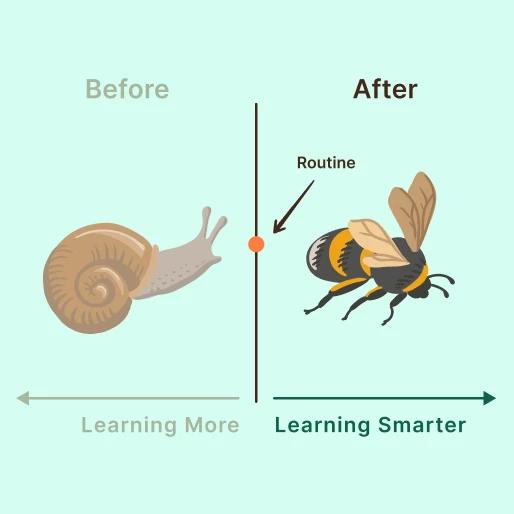
Unlock your daily growth superpower
Transform your routine to fuel continuous learning and effortless improvement.
Let's startQuick answer: What are the six life-changing habits for lasting happiness?
If you want the quick version, here are the core pillars that research shows are essential for a happy life:
Practice daily gratitude: Actively looking for good things in your day rewires your brain to notice abundance rather than lack.
Nurture meaningful relationships: Prioritizing close relationships is the single greatest source of long-term health and joy.
Move your body regularly: Regular exercise isn't just for physical health; it's a highly effective biological "reset button" for your mood.
Cultivate mindfulness: Learning to stay in the present moment reduces stress and stops the cycle of negative rumination.
Set purposeful goals: Having a sense of direction and learning new things fuels long-term satisfaction and motivation.
Acts of kindness: Practicing altruism and helping others creates a "helper's high" that boosts your own mental health.
Six life-changing habits for lasting happiness breakdown: Step‑by‑step how to practice them
Explore these science-backed daily rituals to transform your mental health and build a more fulfilling, joyful, and meaningful life today.
Habit 1: Practice daily gratitude
It's incredibly easy to get caught up in what we don't have or what's going wrong. But research shows that simply stopping to notice the good things already around us can fundamentally change how our brains work.
Gratitude isn't just about being "optimistic"; it's about training your brain to spot opportunities rather than threats. Within the realm of positive psychology, gratitude is like a muscle; the more you use it, the stronger your happiness levels become.
You don't need a fancy notebook for this. Just try adding a small step to your daily routines where you list three specific things that went well.
A quick template to try tomorrow morning:
"Today, I'm genuinely grateful for..."
"One small win I noticed yesterday was..."
"I feel lucky to have [Person/Thing] in my life because..."
Habit 2: Nurture meaningful relationships
If you look at the longest-running studies of happiness, one thing stands out above everything else: close relationships. It's not about how many followers or likes you have on social media; it's about the depth of your connection with loved ones. People who prioritize good relationships tend to live longer, recover from illness faster, and report much higher levels of daily satisfaction.
Building this habit means being intentional about spending time with people who actually fill your cup. It could be a weekly phone call, a coffee date, or even making an effort to meet new people through a hobby or local group. We often sacrifice our social lives for work or chores, but a life well-lived is usually built in the company of others.
📘 Curious about the neurobiology of a happy life? Download Headway to dive into the core principles of positive psychology in just 15 minutes.
Habit 3: Move your body
We've all been told we need to hit the gym, but that advice is rarely framed as a vital self-care tool for our brains. Regular exercise is basically one of the most effective, underused tools for managing your mood. When you move, you flush out stress hormones and invite in the neurochemicals that make you feel capable and calm.
The key to making this stick is to keep it simple. You don't have to run a marathon or join an expensive CrossFit gym. A ten-minute brisk walk or a quick stretch while listening to your favorite podcast counts. The goal is consistency over intensity.
When you make movement part of your wellness plan, you're telling your body that your health and current mood are top priorities.
Habit 4: Cultivate mindfulness and presence
We spend way too much of our lives stuck in our own heads, either lamenting the past or stressing over a future that hasn't even happened yet. This constant back-and-forth is a major drain on our well-being.
Mindfulness is the practice of coming back to the present moment. It sounds simple, but in a world dominated by social media notifications and constant pings, it's a radical act of self-care.
When you're truly present, you notice the small details, like the taste of your food, the way the air feels, or the sound of someone's voice. This shift stops the "noise" in your brain and lowers your stress levels. You don't have to sit on a mountain top to do this.
Try a "breathing break" during your next work meeting, or leave your phone in your pocket while you're in line at the grocery store. Learning to be right here, right now, is a life-changing skill that helps you handle the messier parts of life with way more grace.
📘 Knowing what to do is one thing. Doing it is another. Use Headway to get the step-by-step guides on building habits that actually stick for the long haul.



Habit 5: Set meaningful goals
A happy life isn't just about sitting back and relaxing; it's about moving toward something that matters to you. Setting goals gives you a reason to wake up in the morning. The catch is that the goals have to be yours, not what you think you should want based on what you see other people doing on social media.
When you learn new things or hit a milestone, your brain releases dopamine, which fuels your motivation to keep going. Here's where your daily routines become your best friend. Instead of aiming for one massive, overwhelming change, break it down into tiny, weekly wins.
Whether it's starting a side project, learning a language, or finally figuring out how to cook, the progress itself is what creates those higher levels of satisfaction.
Habit 6: Practice acts of kindness
Here's a strange, yet beautiful paradox in the science of happiness: one of the fastest ways to feel better about yourself is to help someone else. Research shows that practicing altruism, whether it's a big volunteer commitment or just a small, random gesture, triggers the reward centers in our brains. It's often called the "helper's high," and it's a huge boost for your mental health.
Kindness doesn't have to be grand. It can be as simple as checking in on a loved one, holding the door for a stranger, or giving a genuine compliment to a coworker. These tiny moments remind us that we're part of a community, an essential part of a happier life. By stepping outside of our own problems to help someone else, we gain perspective and a deeper sense of connection to the world around us.

Read summaries on connection and wellbeing to build habits that actually stick.
Why these six life-changing habits lead to lasting happiness
It's tempting to think that happiness is something that just happens to lucky people, but research tells a different story. Most of us fall victim to "hedonic adaptation," that annoying tendency our brains have to adapt to good things quickly. It's why a new phone feels amazing for a week and then just becomes, well, a phone.
Lasting happiness requires a different approach, often described by the PERMA model in positive psychology (Positive Emotion, Engagement, Relationships, Meaning, and Accomplishment). Unlike a fleeting sugar high from a shopping spree, these six habits build a foundation of wellness that can withstand the ups and downs of life.
They move us from "surviving" to "thriving" by focusing on internal growth rather than external validation. When we prioritize close relationships and meaningful life goals, we aren't just chasing a feeling; we're building a lifestyle that supports our long-term well-being.
📘 Stop waiting for a special occasion to feel better. Start your journey toward a meaningful life today by exploring the growth books available on Headway.
How to build life-changing habits that stick
Knowing what to do is the easy part; actually doing it when you're tired, stressed, or just not "feeling it" is the real hurdle. Our brains are wired to take the path of least resistance. That's why most New Year's resolutions fade away by February. If you want a happier life, you have to stop relying on willpower and start relying on systems.
The most effective way to do this is through habit stacking. You take a habit you already have, like brushing your teeth or making your morning coffee, and stack a new happiness habit on top of it.
For example, while your coffee is brewing, you could list three good things from yesterday to practice gratitude. Or, while you're listening to a podcast, you could do some light stretching as part of your regular exercise.
A simple habit-building schedule might look like this:
The cue: An existing part of your daily routine, like sitting down at your desk.
The routine: Your new habit, like one minute of deep breathing for mindfulness.
The reward: A small immediate win, like the feeling of a clear head before starting work.
By keeping the barrier to entry extremely low, you prevent burnout. This concept is a core theme in the science of happiness: consistency beats intensity every single time.
Actionable 30-day happiness plan for you to try
You don't have to overhaul your entire world in one afternoon. In fact, please don't. You'll just end up frustrated. Instead, try this 30-day slow-burn approach to boost your happiness and improve your mental health.
Week 1: The gratitude foundation. Every single night before bed, write down three things you were grateful for that day. Focus on the small, specific details.
Week 2: Social connection. Reach out to one person a day. It could be a quick text to a friend or a five-minute chat with someone new at work. Prioritize good relationships over screen time.
Week 3: Mindful movement. Add 15 minutes of activity to your day. A walk outside while practicing mindfulness, noticing the trees, the wind, and the sounds, is a double-win for your wellness.
Week 4: Purpose and kindness. Set one small goal for the week and perform one act of altruism for someone else. Buying a stranger a coffee or helping a neighbor with their groceries both count.
By the end of the month, these won't feel like "tasks" anymore; they'll just be part of how you live. You'll likely notice higher levels of energy and a much more resilient mindset when things get tough.
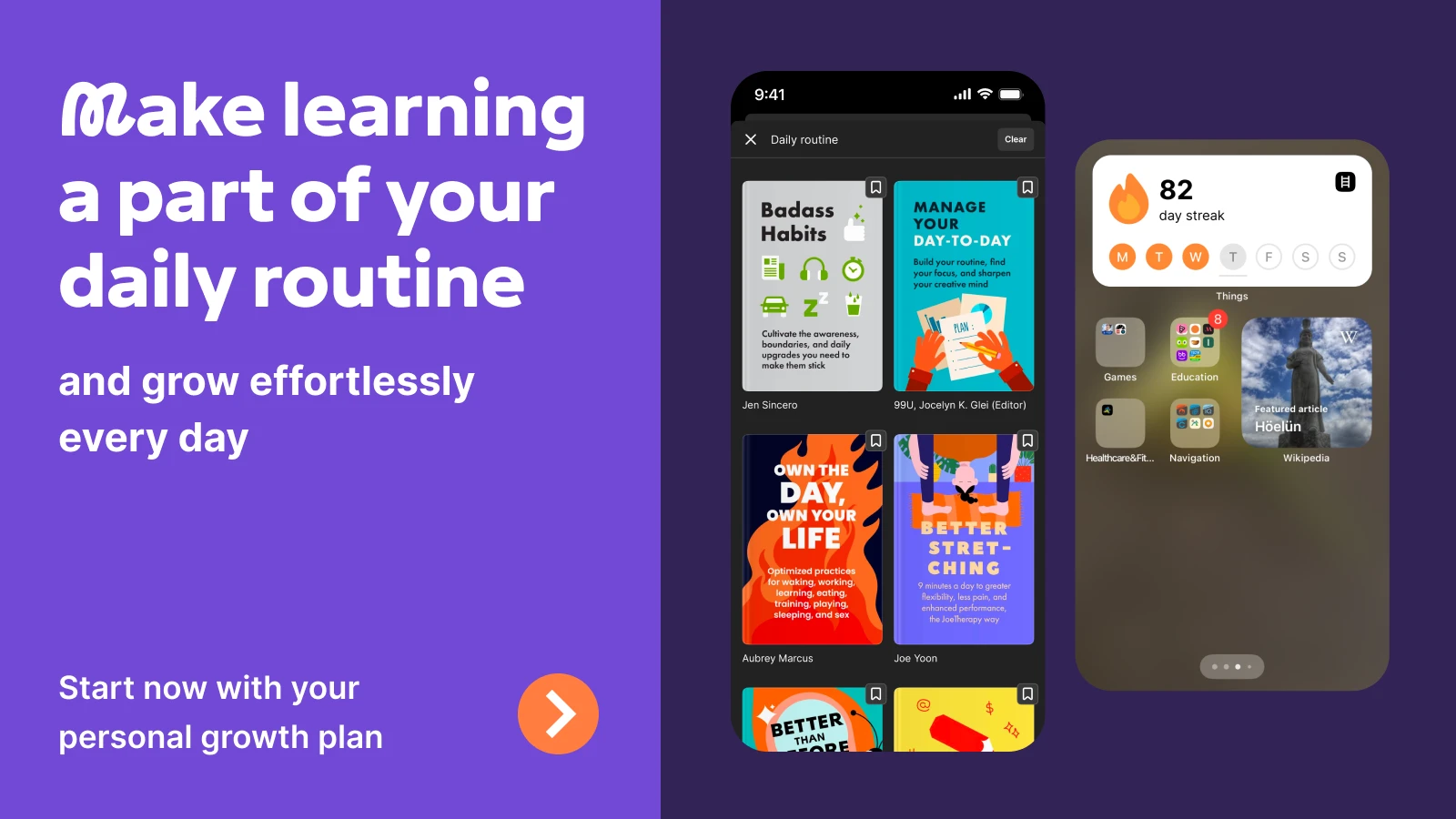
Begin your journey to lasting happiness with Headway!
At the end of the day, a happy life isn't a destination you arrive at once everything is perfect. It's a skill you practice. By focusing on these six life-changing habits for lasting happiness — gratitude, close relationships, movement, mindfulness, purposeful goals, and kindness — you're taking an active role in your own well-being.
Research shows that small, intentional shifts in how we spend our time can lead to a life that feels rich and fulfilling. Choose the present moment over the digital noise of social media and invest in the things that actually satisfy your human need for connection and growth.
If you're ready to take the next step and really cement these changes, explore the habit and positive psychology books inside the Headway app. Getting a 15-minute breakdown of the world's best wellness literature is a fantastic way to keep your motivation high while you build a life you actually love living.
📘 True wellness starts with the mind. Take control of your emotional health by downloading Headway and exploring our library of bestsellers on happiness.
FAQs about the six life-changing habits for lasting happiness
What are the six life-changing habits for happiness?
The core six life-changing habits for lasting happiness involve practicing daily gratitude, moving your body, and staying in the present moment. You should also prioritize close relationships, set meaningful goals, and perform acts of kindness. Together, these habits shift your brain away from stress and toward sustained well-being, making a happier life feel actually attainable.
What are the 5 habits that lead to happiness in old age?
Research shows that staying active and maintaining good relationships are the strongest predictors of joy as we age. Alongside those, lifelong learning, volunteering, and practicing mindfulness keep the mind sharp. Focusing on wellness through regular exercise also significantly lowers the risk of chronic issues, helping you stay mobile and independent much longer.
What are the 5 secrets of happiness?
The real secrets aren't magical; they're grounded in positive psychology. Prioritize your mental health through sleep, limit your time on social media, express appreciation to loved ones, embrace new things, and accept your emotions without judgment. When you stop chasing perfection and start focusing on better daily habits, your overall happiness levels naturally begin to climb.
How can I be 100% happy?
Chasing "100% happiness" is actually a trap because humans are wired to experience a full range of emotions. Instead, aim for a happy life built on resilience. That means using self-care to bounce back from setbacks and finding joy in the present moment. True well-being comes from accepting life's ups and downs while maintaining close relationships.
What is the five-by-five rule of happiness?
This simple rule for mental health suggests that if a problem won't matter in five years, don't spend more than five minutes worrying about it. It's a great way to protect your peace and stay focused on good things. Applying it during your day helps prevent small annoyances from draining your energy and lowering your joy.