Protect the world’s peace. Donate to support Ukraine

37 Books on Weight Loss that Actually Work

You've downloaded every calorie-counting app. You've sworn off carbs at least three times. Yet here you are, googling "why can't I lose weight?" again at 2 am. The problem isn't your willpower. It's that most weight loss advice treats your body like a simple math equation: calories in, calories out. But your body is smarter and more complicated than that. 

The best books on weight loss explain the real science behind why diets fail and what actually works. Authors like Dr. Joel Fuhrman and Dr. Satchin Panda show you how to work with your biology, not against it.

Books on weight loss: Why reading beats random diet tips

Weight loss literature allows you to tap into something that social media influencers cannot — context. 

Paul McKenna, for instance, noted in his book 'I Can Make You Thin' that he wasn't simply identifying foods that you should not eat. He discussed how the brain interprets hunger signals, as well as why you might eat a cookie when you're feeling stressed. That is the difference between what to do and why it matters.

Instead of telling you to eat less, Dr. Satchin Panda, in 'The Circadian Code,' research shows that when you eat changes how your body stores fat. Eating the same meal at 8 pm versus 8 am triggers different metabolic responses. This isn't motivational fluff. It's biology you can actually use.

'Eat to Live' by Dr. Joel Fuhrman doesn't just say "eat more vegetables." He breaks down nutrient density and explains why a plate of kale does more for weight loss than a protein shake. You stop counting calories and start thinking about what your body actually needs. That shift — from restriction to nourishment — makes weight loss feel less like punishment.

The books in this collection approach weight loss from different angles. 

  • 'Bright Line Eating' by Susan Peirce Thompson tackles the psychology of food addiction.

  • 'The Whole 30' by Melissa and Dallas Hartwig focuses on eliminating foods that trigger inflammation.

  • 'The New Atkins for a New You' presents a science-backed case for low-carb eating. 

Each book provides a comprehensive framework, not just a list of rules. You understand the reasoning, so you can make choices that fit your actual life.

Best book for weight loss motivation when willpower isn't enough

The best book for weight loss motivation doesn't just pump you up with generic encouragement. It rewires how you think about food, hunger, and change. Motivation fades. What lasts is understanding why your past attempts failed and what needs to shift this time.

'Bright Line Eating' by Susan Peirce Thompson is particularly good at this. Thompson, a neuroscientist, explains how sugar hijacks your brain's reward system the same way drugs do. She's not exaggerating for effect. Brain scans show similar activation patterns. Once you see food as a biological trigger, not a moral failing, you stop blaming yourself. You start solving the actual problem.

Paul McKenna's 'I Can Make You Thin' works differently. McKenna uses techniques from hypnotherapy and cognitive behavioral therapy to change your relationship with eating. He teaches you to recognize real hunger versus emotional hunger. That distinction alone — learning to pause and ask "am I actually hungry or am I bored?" — changes how you eat. It's not about forcing yourself to resist temptation. It's about not feeling tempted in the first place.

Then there's 'The Whole 30,' which motivates through structure. Melissa and Dallas Hartwig give you 30 days of clear rules. No counting, no measuring, just yes or no decisions. That clarity helps when you're tired of debating whether you can have "just one bite." The book also prepares you for how hard the first week will be. Knowing that irritability and cravings are temporary — and normal — keeps you going when motivation dips.

What makes these books motivating isn't cheerleading. It's that they treat you like an intelligent person dealing with a complex problem. They give you tools that work even when you don't feel motivated. You build habits that stick because they're based on how your body and brain actually function, not how you wish they functioned.

Find your next read with a short quiz

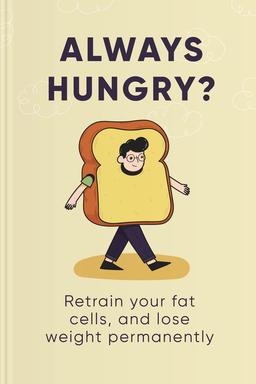
Always Hungry?

by David Ludwig, MD, PhD

What is Always Hungry? about?

This book explores the science behind weight gain and cravings, challenging traditional dieting approaches. It provides insights into how our bodies store fat and offers practical strategies to retrain fat cells. Readers will discover how to manage hunger, develop healthier eating habits, and achieve sustainable weight loss. With a focus on nutritious, satisfying foods, it encourages a transformative approach to long-term health.

Who should read Always Hungry?

  • Individuals struggling with weight loss and cravings.
  • Health enthusiasts seeking sustainable weight management solutions.
  • Anyone interested in nutrition and its impact on health.
book

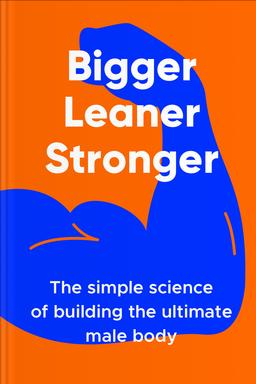
Bigger Leaner Stronger

by Michael Matthews, PhD

What is Bigger Leaner Stronger about?

This book provides a straightforward approach to achieving an ideal male physique through effective weightlifting and nutrition strategies. It emphasizes scientific principles to help readers build muscle, lose fat, and improve overall fitness. With practical tips and motivational guidance, it encourages readers to adopt sustainable lifestyle changes that promote long-term health and body transformation.

Who should read Bigger Leaner Stronger

  • Fitness enthusiasts seeking effective body transformation strategies.
  • Men aiming for a stronger and healthier physique.
  • Readers interested in science-based workout and nutrition plans.
book

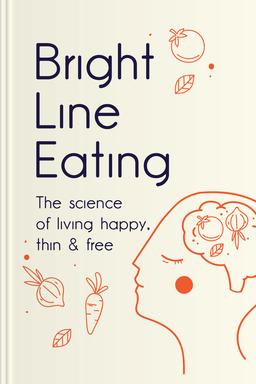
Bright Line Eating

by Susan Peirce Thompson, PhD

What is Bright Line Eating about?

This book presents a groundbreaking approach to weight loss and healthy living by integrating science with practical strategies. It emphasizes the connection between food and the brain, offering insights into why many diets fail. Through a structured program, readers learn to rewire their relationship with food, enabling them to achieve lasting weight loss and a happier, more fulfilled life. The focus is on emotional well-being and sustainable habits for lasting change.

Who should read Bright Line Eating

  • Individuals seeking effective weight loss strategies
  • Health enthusiasts interested in eating psychology
  • People struggling with emotional eating challenges
book

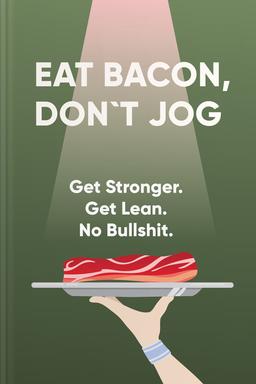
What is Eat Bacon, Don’t Jog about?

This provocative guide challenges conventional fitness wisdom, advocating for a low-carb, high-fat diet while dismissing traditional cardio regimens. It emphasizes practical advice for building strength and achieving a lean physique without the burden of extensive exercise. With humor and a no-nonsense approach, the author explores the benefits of enjoying foods like bacon and offers insights into a sustainable lifestyle that prioritizes strength over endurance.

Who should read Eat Bacon, Don’t Jog

  • Health-conscious individuals seeking practical fitness advice.
  • Busy professionals wanting quick weight loss strategies.
  • Fitness enthusiasts tired of traditional exercise routines.
book

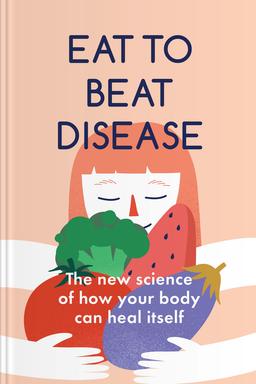
What is Eat to Beat Disease about?

This book explores the groundbreaking science behind how certain foods can boost the body's ability to heal itself and prevent disease. It delves into various food groups and their specific health benefits, guiding readers towards a diet that strengthens their immune system, supports heart health, and promotes overall well-being. With a blend of research and practical advice, it empowers individuals to make informed dietary choices for better health.

Who should read Eat to Beat Disease

  • Health-conscious individuals seeking nutritional empowerment.
  • Patients looking for alternative healing methods.
  • Food enthusiasts interested in the science behind nutrition.
book

Frequently asked questions on weight-loss books

What is the best book to help you lose weight?

'How Not to Diet' by Dr. Michael Greger examines thousands of weight loss studies to identify what actually works. Greger explains how food choices, meal timing, and eating order affect weight loss. The book offers practical, science-based strategies for losing weight without restrictive dieting or hunger.

What is the 3-3-3 rule for weight loss?

The 3-3-3 rule for weight loss involves eating three small meals per day, including at least three portions of protein at each meal, and doing three minutes of active movement after each meal. This approach helps regulate hunger, preserve muscle mass, and activate your digestive system.

What is the 30/30/30 rule for weight loss in females?

The 30-30-30 rule means eating 30 grams of protein within 30 minutes of waking up, followed by 30 minutes of exercise, not necessarily intense. This approach stabilizes blood sugar, reduces cravings, and jumpstarts metabolism. Some women find it particularly helpful for managing hormonal fluctuations that affect appetite.

What is the 50 30 20 rule for weight loss?

The 50-30-20 rule is a macronutrient distribution where 50% of your calories are from carbohydrates, 30% from protein, and 20% from fats. This balanced approach provides energy, preserves muscle, and supports hormone production. It's less restrictive than extreme low-carb or low-fat diets.

What is the best motivation for losing weight?

The best motivation to lose weight is not the number on the scale, but the desire to feel alive, light, and confident. When the focus is not on prohibitions, but on what you gain: energy, good mood, peace in the body. Then losing weight becomes not a struggle, but a manifestation of self-love.

What is the 2 2 2 rule for weight loss?

The 2-2-2 weight loss rule is an easy way to stay accountable and engaged with your health. It literally means:

  • Drink water every 2 hours

  • Eat 2 servings of vegetables a day

  • Exercise, at a minimum, 2 times a week!