Self-growth
 Business & Career
 Success
 Communication
 Healing
 Relationships
 Psychology
 Happiness
The best morning routine optimizes your energy, focus, and clarity from the moment you wake up.
It doesn't mean forcing you to become a morning person or to run a marathon at 5 AM. A good morning routine establishes a series of healthy habits that support your long-term well-being. How you choose to spend that time in those first few hours sets the emotional and mental tone for the rest of your day.
Research suggests that intentional morning rituals help regulate your nervous system, making you more resilient to stress once your workday begins. By trading the snooze button for a few deep breaths and a solid plan, you give yourself enough time to prioritize your own needs before the world starts making demands.
In this guide, you'll find how to build a daily routine that fuels your day. Many high-performers also integrate tools like Headway to squeeze in a bit of personal growth while sipping their first cup of coffee.
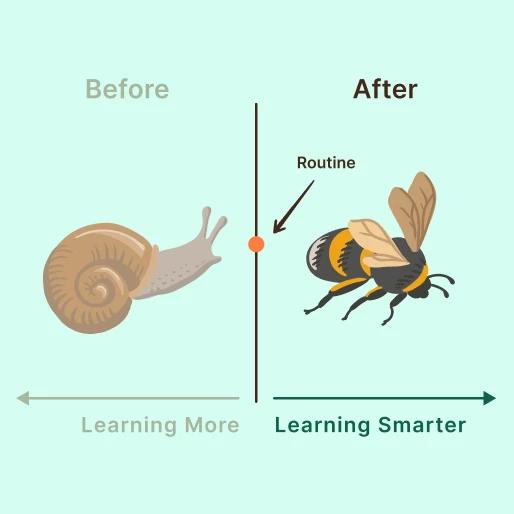
Unlock your daily growth superpower
Transform your routine to fuel continuous learning and effortless improvement.
Let's startQuick answer: The best morning routine at a glance
The best morning routine blends intentional habits — like hydration, movement, mindfulness, planning, and learning — to boost energy, clarity, and personal growth every day. Instead of reacting to your alarm clock and jumping straight into social media, a productive morning is built on proactive choices that make you feel good.
Hydrate first thing: Drink a large glass of water to wake your body and brain.
Move or stretch: Do light cardio or a quick stretch in your living room to energize your mood.
Mindful practice: Use journaling, affirmations, or meditation to better regulate your emotions.
Intent setting: Review your to-do list to clarify the most important things for the day ahead.
Learning and reflection: Spend 15 minutes on a podcast or a Headway summary to keep growing.
| Habit | Why it matters |
|---|---|
Hydration | Replenishes fluids and supports cognitive function. |
Movement | Boosts mood and increases energy levels. |
Mindfulness | Reduces stress and improves focus for the rest of the day. |
Planning | Clarifies priorities and reduces decision fatigue. |
Learning | Increases knowledge and fuels long-term wellness. |
Six core habits of the best morning routine
Think of a perfect morning routine like a series of building blocks. You don't just wake up and hope for the best; you strategically choose actions that prime your body and mind. Here's a closer look at the six core habits that make the biggest difference.
1) Hydration first – The best first step
It's easy to reach straight for a cup of coffee when you wake up, but your body is actually asking for something else first. Think about it: you've just spent seven or eight hours of sleep without a single drop of liquid. You're essentially waking up mildly dehydrated. So before you even glance at your to-do list, drink a large glass of water.
Hydrating right away is like turning on the lights for your internal organs. It clears out toxins, fires up your metabolism, and feeds your brain. Even a 2% drop in hydration can cause a noticeable spike in brain fog.
Replenish and revive: Your brain is mostly water; even a small glass of water helps you think clearly.
The salt trick: Adding a tiny pinch of sea salt to your water can help with mineral absorption, helping you feel more balanced.
Get your systems going: Digestion and metabolism need a wake-up call after the long fast of the night before.
2) Movement and light exercise
Most people think of exercise as a chore, but in the early morning, it's actually a form of self-care. You don't have to do a high-intensity cardio session to reap the rewards. When you move your body, you're moving oxygen to your brain and releasing endorphins that make you feel good for the rest of the day.
Whether you're doing some gentle yoga at home or taking a brisk five-minute walk, you're signaling to your body that this time is yours, before the workday begins. Movement also helps clear out the lingering adenosine (the chemical that makes you feel sleepy) and stabilizes your energy levels.
Mood lift: Movement is the quickest way to shift your mindset from tired to capable.
Physical wake-up: It loosens your joints and works out the stiffness from a night of sleep.
Outdoor light: When you exercise outside, the natural light helps reset your circadian rhythm, making it easier to sleep better the next day.
📘 Swap the mind-numbing social media scroll for a quick growth session by downloading the Headway app today
3) Mindful practices
How often do you wake up and immediately grab your phone? That's one of the fastest ways to derail a productive morning. By checking social media or the news right away, you're letting other people's priorities dictate your mood. Instead, try taking a few deep breaths and leaning into mindfulness.
This time could look like five minutes of meditation or journaling about how you want the day ahead to look. Writing down three small things you're thankful for — even if it's just that you had a comfortable bed — trains your brain to look for good things throughout the day. Your skincare routine can fit in here, too; the simple act of taking care of your skin can be a grounding, meditative experience.
Mental clarity: Use journaling to dump all those racing thoughts onto paper so they can't haunt you all day.
Emotional resilience: Affirmations can help combat the imposter syndrome that often hits right before important tasks.
Nervous system reset: Simple breathing exercises remind your brain that you're safe and in control.

Get practical breathing techniques from top mindfulness experts in under 15 minutes.
4) Planning and intent setting
The difference between a productive day and a busy one usually comes down to planning. The best morning routine includes a few minutes to sit down with your to-do list and get honest about what you can actually accomplish.
Focus on the three most important things that, if finished, would make the day feel like a win. That keeps you out of the trap of busy work instead of important work. If you can, do this planning without looking at your email first.
Decision fatigue: Planning early saves your brain power for the actual work.
Focus: Knowing your next day priorities the night before makes this process even smoother in the morning.
Time management: Be realistic about how much time you actually have between meetings and errands.
5) Breakfast and healthy nutrition
Fueling your body is a big part of wellness, but breakfast shouldn't just be a sugary cereal or a piece of toast. A healthy breakfast should be a balance of protein and healthy fats to keep your blood sugar stable.
Also, let's talk about that cup of coffee. Most experts suggest waiting about 60 to 90 minutes after your wake-up time to have your first caffeine hit. It'll allow your natural cortisol levels to peak and fade naturally. Drinking coffee too early disrupts that process, which is why so many people feel the 2 PM slump.
Brain fuel: Healthy fats like avocado and nuts support cognitive function.
Stable energy: Protein-rich breakfasts help prevent the feeling of hunger and irritability that can derail a productive morning.
Make it a ritual: Use breakfast as a time to spend time away from screens, maybe by looking out a window or chatting with family.



6) Learning and growth habit
This characteristic is what separates a good morning from a great one. High achievers always find a way to work learning into their daily routine. It doesn't have to be a long study session; it could be listening to a podcast while you get ready or reading a few pages of a nonfiction book while you have your cup of coffee.
This new habit ensures that you're growing every day, no matter how busy your workday gets. It shifts your mindset from management to growth. Whether it's learning a new skill or just getting a fresh perspective on well-being, this intellectual self-care is the ultimate long-term investment.
Microlearning: Just 10–15 minutes is all you need to gain a real edge over time.
Stay inspired: A podcast about success or wellness can give you the boost you need to tackle a tough workday.
Keep going: Small daily efforts in learning add up to huge shifts in your career and life.
📘 Become a lifelong learner and join millions of users upgrading their mornings in just 15 minutes with Headway!
What science says about the best morning routine
Building the perfect morning routine isn't just a lifestyle trend; it's deeply rooted in our biology. Your body operates on a circadian rhythm, a natural internal clock that regulates everything from your sleep patterns to your energy levels. When you wake up, your body naturally releases cortisol — often called the stress hormone, but in the early morning, it's actually what helps you feel alert and ready to face the day ahead.
By aligning your morning habits with these biological shifts, you reduce decision fatigue. It's the idea that we only have so much mental energy each day. If you're wasting time deciding what to wear or what to eat, you'll have less left for the important work later on.
Research shows that consistent morning rituals create neurological patterns that let your brain run on autopilot for the basics, freeing up your creativity for the rest of your day.
Key biological benefits:
Regulated cortisol: Intentional starts help manage the cortisol awakening response, preventing morning anxiety.
Circadian alignment: Getting natural light early helps you sleep better the night before the next day.
Reduced stress: Routine provides a sense of control, which settles the nervous system.
Best morning routines by goal and personality
One size doesn't fit all. Your perfect morning routine depends on what you're trying to achieve and on your natural temperament. Here are a few ways to customize your start.
1. For productivity seekers
This routine is for anyone who wants to work through their to-do list and feel sharp doing it. The focus is on high-impact habits and getting to work quickly.
Wake-up time: Early (think 5:30 or 6:00 AM).
No snooze: Get up the moment your alarm clock goes off.
The flow: Hydrate → Do 10 minutes of cardio → Splash your face with cold water → Review your important tasks → Spend 20 minutes in deep work → Read a learning summary.
Why it works: Your blood is pumping and your brain is focused before the day's distractions have a chance to kick in.
2. For wellness and calm
If you deal with high stress or anxiety, your morning should feel like a sanctuary. The goal here is to soothe your nervous system and feel grounded before anything else.
The flow: Breathe deeply for five minutes → Journal your gratitude → Stretch gently at home → Do your skincare → Eat a healthy breakfast with an upbeat playlist.
Why it works: It builds a buffer of calm that protects you from the stress of the rest of your day.

Start your day with ideas from authors who actually practice what they write.
3. For growth and skill builders
This one is for the person who feels stagnant and wants to make a change in their career or personal life. It prioritizes the new habit of learning.
The flow: Drink a glass of water → Listen to a 15-minute growth-focused podcast → Journal new ideas → Say your affirmations → Plan the day.
Why it works: Personal development stops being something you'll get to "when there's time"— it becomes your priority.
📘 Build a learning habit that actually lasts with daily book summaries on Headway.
4. For busy parents or low-energy mornings
Sometimes, you just don't have enough time for a 90-minute ritual. That's fine. You can still have a productive morning with a shorter routine.
The three-step win: Drink a full glass of water → Stretch for two minutes → Identify your most important task for the day.
Why it works: Five minutes of a routine done consistently beats 60 minutes done once a month.
How you can build your best morning routine: Step-by-step guide
Creating a daily routine that actually sticks is harder than it looks. Most of us have had that burst of motivation on a Sunday night, only to hit snooze four times on Monday. The secret isn't more willpower; it's a better strategy.
Step 1: Focus on the evening routine
A good morning actually starts the night before. If you're scrolling on your phone until midnight, you're not going to wake up feeling refreshed. Getting enough sleep means each hour of sleep is protected by your evening routine.
Digital detox: Put down your phone an hour before bed.
Prep work: Lay out your clothes and prepare your healthy breakfast ahead of time.
Write tomorrow's list: Get your to-do list out of your head and onto paper so your brain can actually rest.
Step 2: Use habit stacking
The easiest way to make a new habit stick is to "stack" it with something you already do. If you already make a cup of coffee every morning, use the two minutes it takes to brew to practice gratitude or do some deep breaths. By attaching a new morning habit to an old one, you don't have to remember to do it; the old habit becomes the trigger for the new one.
Step 3: Start small and scale up
Don't try to add ten healthy habits at once. Pick two. Maybe start with just drinking a glass of water and doing five minutes of journaling. Once that feels like a normal part of your early morning, then add the movement or the learning. This slow-and-steady approach is the only way to build a daily routine that lasts for years instead of weeks.
Step 4: Manage the environment
If you want to exercise in the morning, put your yoga mat out the night before. If you want to drink more water, put your glass next to your alarm. We're highly influenced by what we see around us, so make the good choices the easiest ones to reach.
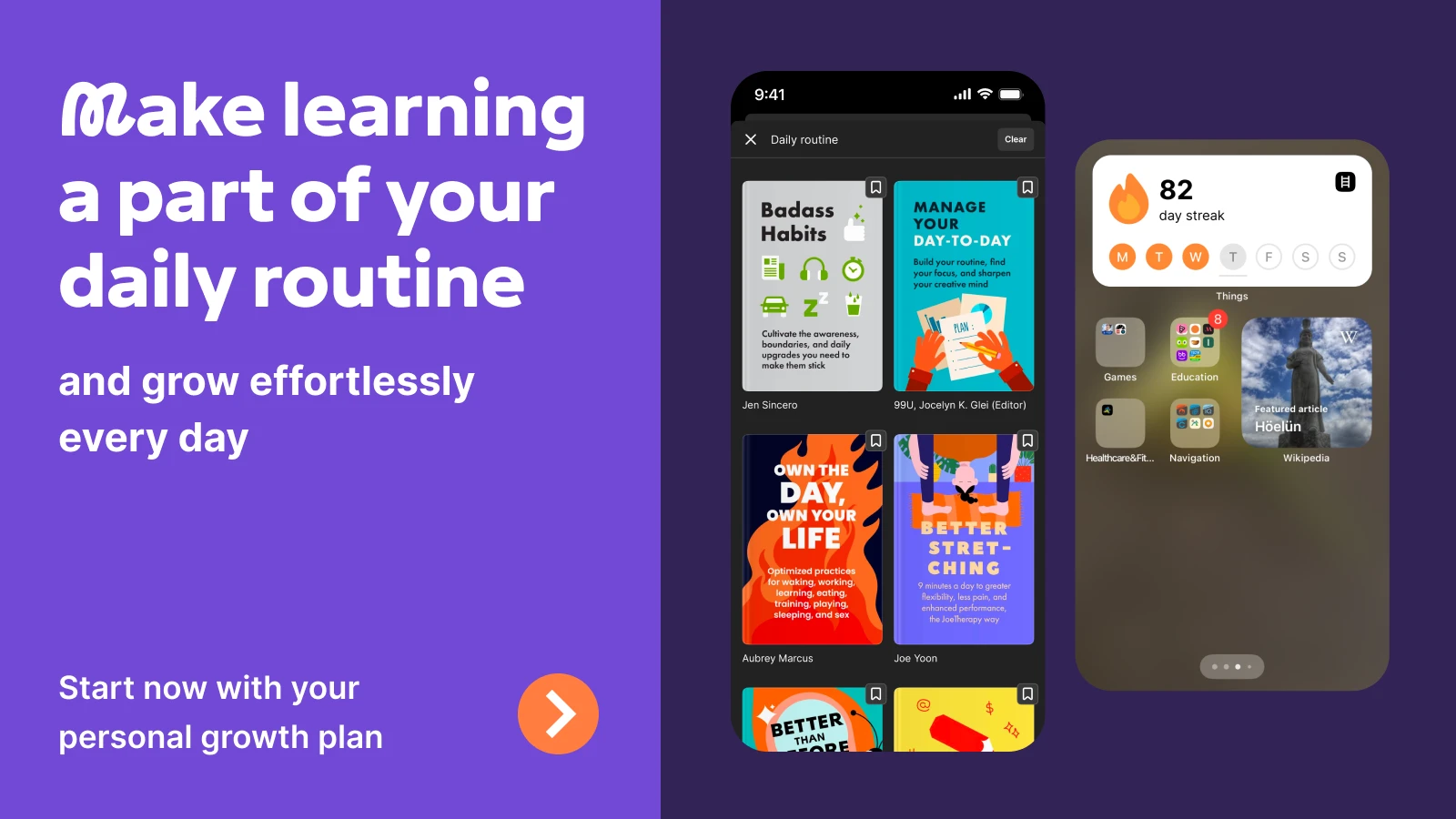
Start a better morning with the Headway app!
At the end of the day, the best morning routine is the one that you actually follow. There's no point in having a "perfect" plan if it makes you miserable. The goal is to create a rhythm that helps you feel good, boosts your energy levels, and puts you in control of the rest of your day.
That's where Headway really shines. A 10 or 15-minute book summary in the morning is one of the most low-effort, high-return habits you can build. Instead of scrolling while you eat breakfast, you can listen to the key ideas from a book like 'Atomic Habits' or 'The 5 AM Club.'
Don't wait for the perfect Monday to start. Take one small step tomorrow morning — maybe it's just three deep breaths or writing down one thing on your to-do list — and see how it shifts the whole day. You have more control over your mornings than you think.
📘 You're one small tap away from a better morning. Download Headway and see for yourself.
FAQs about the best morning routine
What is the best morning routine?
The best morning routine starts with hydration and focus. Drink a glass of water and stay off social media to protect your mental state. Reviewing your to-do list before your coffee keeps you in control. A consistent start like this regulates your nervous system and sets you up for a highly productive day ahead.
What is the 30-30-30 morning routine?
The 30-30-30 method means eating 30 grams of protein within 30 minutes of waking, followed by 30 minutes of light cardio. The combination stabilizes energy levels and keeps you feeling good through the morning. By having a healthy breakfast early, you fuel your well-being and stay energized for the rest of the day without crashes.
What time do CEOs usually wake up?
Most CEOs choose an early morning start, usually around 5 AM, to handle their most important things without interruption. They use the time to practice self-care, journal, or listen to a podcast. That said, a productive morning depends less on the alarm clock and more on having enough time to follow your daily routine with total intention.
What is the healthiest time to wake up?
The healthiest wake-up time is one that allows for seven to nine hours of sleep. Ideally, you should rise with the sun to keep your circadian rhythm in check. This strategy helps you sleep better and ensures your well-being remains high. Avoiding the snooze button also prevents your nervous system from starting the workday in a panic.
What is the 90-90-1 morning routine?
The 90-90-1 rule means that for 90 days, you spend the first 90 minutes of your workday on your main goal. This morning routine ensures your important tasks get done before distractions arise. Combined with an evening routine plan, this new habit guarantees a productive day and moves the needle on your most significant projects.