Self-growth
 Business & Career
 Success
 Communication
 Healing
 Relationships
 Psychology
 Happiness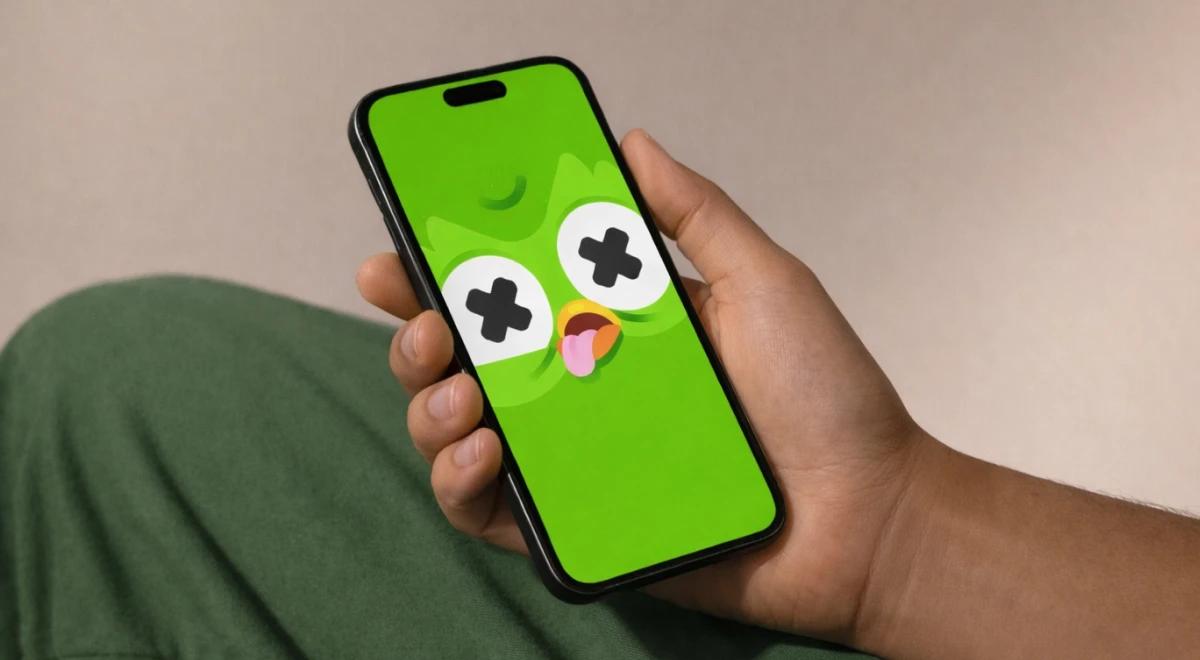
Did you open your phone one morning to find a "melting" or "sick" green owl staring back at you? If you've seen the viral TikToks, the casket on social media, or the memes about a Tesla Cybertruck, it's not just you asking: Is Duolingo dead?
The internet went into full mourning mode. But before you start grieving your 500-day streak, here's what actually happened, and why the green owl is anything but gone.
Quick answer: Is Duolingo dead?
No. Duolingo is not dead, and it's not shutting down. The "Duo is Dead" campaign was a deliberate marketing stunt launched in February 2025 to drive app engagement. The company had over 47 million daily active users by late 2025 and crossed $1 billion in annual revenue that same year. Duo the owl isn't gone; he's just very dramatic.
What happened to Duolingo? The story behind "Dead Duo"
On February 11, 2025, Duolingo's social media accounts announced that Duo, the green owl mascot, had died. The posts were deadpan. The grief was performative. And the internet fell for it completely.
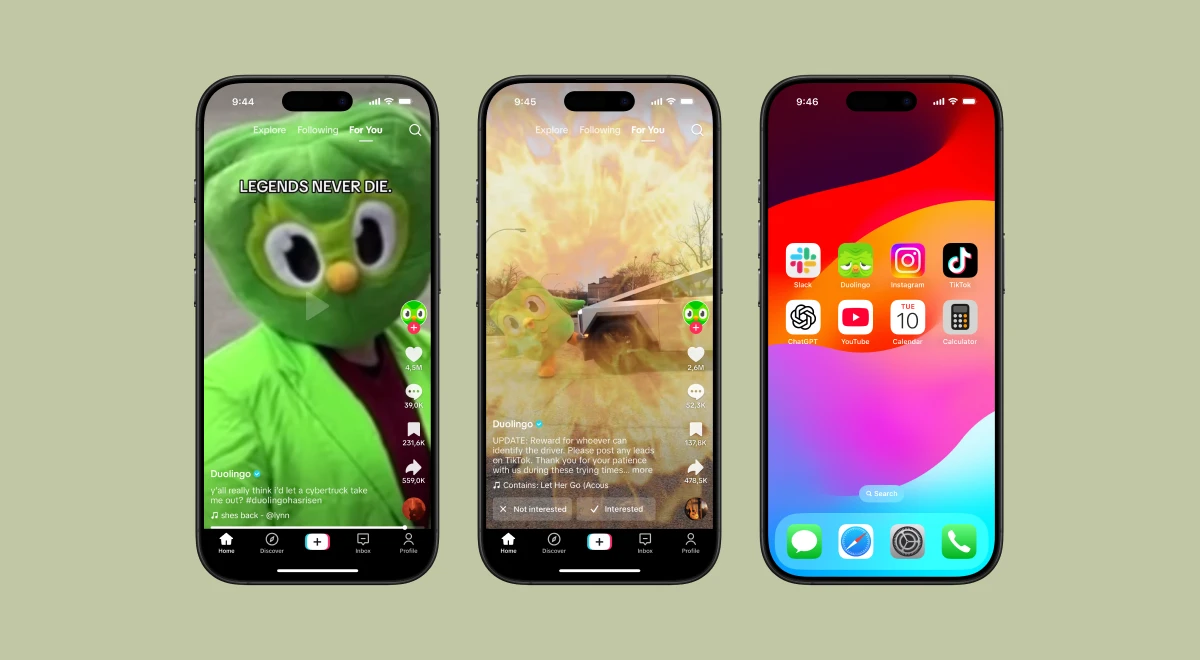
A day later, Duolingo posted a video showing Duo getting hit by a Tesla Cybertruck. The company asked followers to post any leads on the "killer" and promised a reward. One early social media post cheekily invited users to share their credit card numbers to be "automatically signed up for Duolingo Max in his memory," and a Duolingo spokesperson later confirmed that the post was just a joke.
The campaign featured the app's other characters, including Lily and Zari, mourning Duo the owl on TikTok and X. Some posts joked that Duo "died waiting for you to do your Spanish lesson." Many users on both iOS and Android also noticed their app icon had changed to a "sick" or "melting" version of Duo. That wasn't a glitch. It was the marketing team syncing the app icon with the campaign in real time.
To bring Duo back, users were challenged to collectively earn 50 billion XP on a special page called bringback.duolingo.com. They hit the goal, reaching 50.92 billion XP in total, and on February 24, Duolingo posted a video of Duo stepping out of his own coffin with the caption: "LEGENDS NEVER DIE."
The whole campaign generated 1.7 billion impressions across Duolingo's social channels in two weeks. According to Duolingo's own research, the campaign sparked twice as much social media conversation as any of the top 10 Super Bowl ads from 202, and cost practically nothing in paid media.
Why did Duolingo "kill" its own mascot?
Duolingo has built its social media presence on humor, self-awareness, and what the company itself calls "unhinged" content. In recent years, Duolingo's owl mascot has danced on memes, crashed celebrity moments, and spent years pretending to emotionally blackmail users into doing their language lessons. Killing Duo was the natural next move.
The campaign also had a celebrity cameo. Pop star Dua Lipa, whose name sounds like Duo's, had long been part of the brand's lore. Duolingo had built a running joke about the owl having an unrequited crush on her, going as far as staging a proposal outside one of her concerts. When Duo's death was announced, Dua Lipa joined the conversation on X with the pun "Til' death duo part," giving the marketing campaign an organic celebrity boost that money couldn't buy.
But Duo's death wasn't just about shock value or a celebrity pun. It was strategically timed right after the Super Bowl, when people's New Year's resolution energy had started to fade. The story pulled users back into the language app — not with ads, but with curiosity and a collective challenge. You can't earn XP without opening Duolingo and doing a lesson.
Psychologists call the underlying mechanism loss aversion: you're often more motivated by the fear of losing something than by the prospect of gaining it. Duolingo has used this for years through streaks and crying-owl emoji notifications. The "Dead Duo" campaign scaled that same instinct to a global audience.
And it paid off. Duolingo added more daily active users in Q1 2025 than in any single quarter in its history.
The Duolingo owl: Name, age, gender, and species
With all the attention on Duo's death, many people became curious about the bird itself. Here are the facts:
What is the Duolingo bird's name?
His name is Duo. As for his full name, according to the brand's fictional lore, it's Duo Keyshauna Renee Lingo.
Is Duolingo a boy or a girl?
Duo is a boy. According to Duolingo's official brand guidelines, their owl mascot uses he/him pronouns.
How old is the Duolingo bird?
Duo was introduced when Duolingo launched in 2011, making the character about 15 years old as of 2026. The brand's fictional lore puts his "birth" in 1000 BCE, which would make him over 3,000 years old, but that's part of the joke.
What kind of bird is Duolingo?
Duo is a stylized green owl. There's no real-world species of bright green owl. He was designed that way. Owls have long been associated with wisdom and education, which is why the founders chose one as the mascot for the language learning app when it launched.
Is Duolingo actually dying? What the numbers say
The "Dead Duo" story makes for a great headline, but it obscures something more interesting happening with Duolingo right now.
The app is growing fast, but hitting real friction at the same time.
By Q3 2025, Duolingo crossed 50 million daily active users, with revenue up 41% year over year. The company hit $1 billion in annual revenue for 2025. These aren't the numbers of a dying language app.
But underneath the growth, there are genuine cracks. Duolingo's stock fell roughly 80% from its 2025 peak by early 2026. User growth slowed significantly in the back half of the year. CEO Luis von Ahn acknowledged on a Q4 2025 earnings call that DAU growth "decelerated throughout 2025." The company also faced community backlash over its "AI-first" strategy announcement, a move that raised real questions about what happens to language learning when it's driven almost entirely by automation.
So no, Duolingo isn't dead. But it's in a real transition. The company is trying to figure out how to keep 50 million daily users engaged as the viral-stunt energy fades and Duolingo lessons get harder.
"Streak Burnout" is real — and that's the bigger story
Here's something worth saying plainly: a lot of people aren't leaving Duolingo because the app died. They're leaving because they got bored, burned out, or realized they weren't actually learning much.
When you open a language app just to do a one-minute lesson before midnight so the owl doesn't cry, that's not language learning. That's habit maintenance for its own sake.
And that's the thing Duolingo's marketing doesn't talk about: the difference between using an app every day and actually getting somewhere with it. Gamification works brilliantly for getting people to show up, but it's less reliable at making sure something useful happens while they're there. You might complete 300 days of Italian lessons and still struggle to hold a basic conversation.
That gap is why many people outgrew Duolingo and started to look for learning tools that treat them more like adults.
When you're ready to learn more than vocabulary
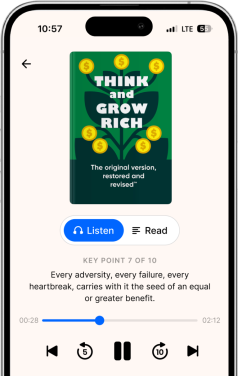
If you're at that point where a language streak feels like a chore, and you want growth that actually goes somewhere, a book summary app like Headway is worth knowing about.
Headway isn't trying to compete with Duolingo. It does something different: it pulls the core ideas from nonfiction best-sellers and delivers them in 15-minute summaries that you can read or listen to. The app pulls from books like 'Atomic Habits,' 'The 7 Habits of Highly Effective People,' or 'Deep Work.' You know, the kind of books that change how you work, think, and make decisions.
➡️ What is Headway and how does it work?
It fits into the small pockets of time that you have, like on your commute, while sipping your morning coffee, or during a simple afternoon walk. The app is available on iOS and Android, with no owl or guilt. Just the ideas.



You might already be paying for something similar. If you use Audible for your nonfiction needs, it's worth asking whether a book summary app fits your habits better — you get the core ideas in 15 minutes instead of 10 hours. If you've looked at Blinkist, a direct comparison with Headway might help you decide which one actually suits how you learn.
For a closer look at how Duolingo and Headway compare, check out this table:
| Duolingo | Headway |
|---|
Main focus | Language learning | Personal growth and professional skills |
Format | Games and drills | 15-minute book summaries (audio & text) |
Motivation | Streaks and mascot | Personalized 30-day growth plans |
Content range | 40+ languages | 11+ categories (like career, psychology, and wealth) |
More than 55 million people already use Headway to turn small moments into real growth. If you're curious, today is a great day to see what one book summary can do.
📘 Upgrade thinking with Headway.
Frequently asked questions about Duolingo's death
Did Duolingo die?
No. Duo's death was a marketing campaign, not a real event. The language app is still fully operational, with over 50 million people doing Duolingo lessons every single day. The "Dead Duo" stunt ran from February 11 to February 24, 2025, ending with Duo's dramatic revival.
Why is Duolingo dead, according to the internet?
The "Duolingo is dead" narrative started with Duo's death campaign in February 2025, but it's also a feeling some long-time users express about the app's direction. Critics point to a growing focus on AI, a notification style that feels more like harassment than motivation, and a sense that the language-learning app has started optimizing for engagement metrics rather than actual learning. The app isn't dead, but it's clearly going through a difficult period with its community.
Why is my Duolingo app icon melting?
The "melting" or "sick" app icon is a marketing tactic. It typically appears when you haven't opened the app for a while, or when Duolingo runs a campaign, such as the "Dead Duo" stunt, that intentionally changes the app icon. It shows up on both iOS and Android. Completing a Duolingo lesson usually restores the normal icon.
What is the Duolingo bird's name?
Duolingo's owl mascot is named Duo. His full name in the brand's lore is Duo Keyshauna Renee Lingo. The green owl mascot has been the face of the language app since it launched in 2011, and has grown into a full internet persona over recent years, appearing in memes, social media posts, and even podcast discussions about viral marketing.
What kind of bird is Duolingo?
Duo is a green owl, designed rather than based on any real species. There are no bright green owls in nature. The owl was chosen as the mascot because it symbolizes wisdom and learning, which aligned with the language-learning app's identity from the start.
Is Duolingo Max worth it?
Duolingo Max is the app's premium subscription tier that uses AI, built on technology similar to ChatGPT, to offer more detailed feedback and conversation practice. Whether it's worth paying for depends on your goals. If you're seriously working toward conversational fluency in Spanish, Italian, or another language, the extra practice tools may help. If you mostly use Duolingo casually, the free version covers the basics just fine.
Why does Duolingo cry?
The crying Duo emoji appears when you've missed a Duolingo lesson, broken your streak, or gone several days without opening the language app. It's a deliberate psychological nudge, designed to make you feel guilty enough to come back. It works on a lot of people, which is exactly why the team kept it.
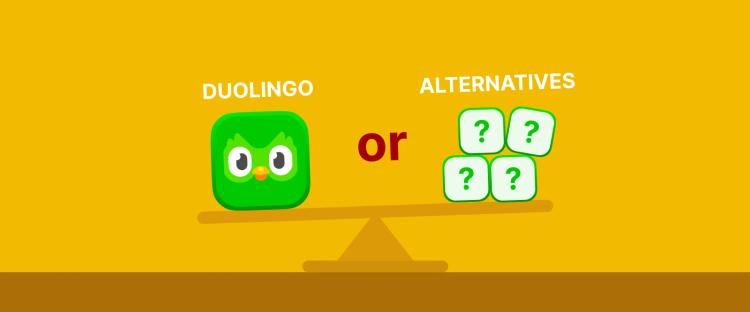
Are there better Duolingo alternatives?
For language learning specifically, apps like Babbel and Rosetta Stone take a more structured approach that some learners prefer. For self-improvement beyond vocabulary, building real-world skills, understanding big ideas, and getting better at how you think and work, Headway is a different kind of tool for a different kind of goal.
Who is Duo the owl, really?
Duo is Duolingo's green owl mascot, introduced when the language app launched in 2011. In recent years, the character has grown far beyond a simple app icon. Duo has become a full-blown internet persona with a defined voice, relationships with other DuoVerse characters like Lily and Zari, and a social media presence that regularly goes viral. The "Dead Duo" campaign was just the latest, and biggest, chapter in that story.
Did Dua Lipa react to Duo's death?
Yes. When Duolingo announced Duo's death in February 2025, pop star Dua Lipa posted on X with the pun "Til' death duo part." The post was part of a long-running brand joke. Duolingo had spent years building a storyline about Duo having a crush on her, even staging a mock proposal outside one of her concerts. Her reaction gave the marketing campaign a major organic boost and landed the language app in entertainment coverage it couldn't have paid for.