Self-growth
 Apps & Digital Tools
 Business & Career
 Success
 Growth Tools
 Psychology
 Communication
 Relationships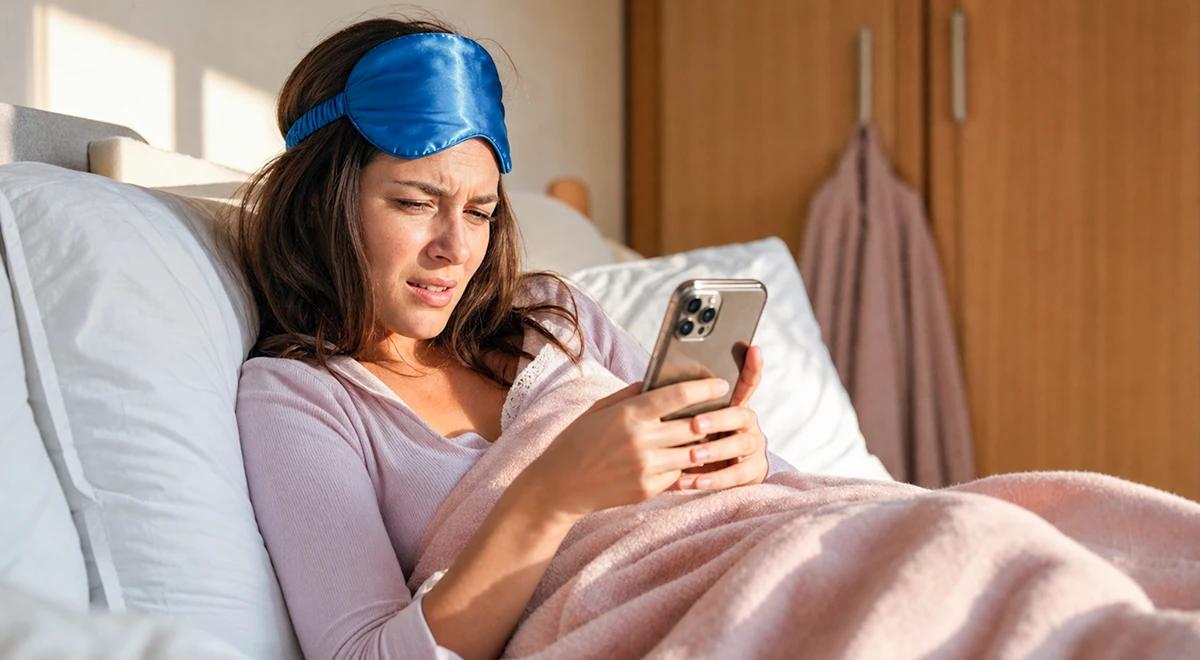

You open your phone to check one DM. An hour later, you're three reels deep into a stranger's kitchen renovation, wondering where your evening went. Sound familiar? That sinking, guilty feeling makes it tempting to slap a label on what's happening — "I have an Instagram addiction" — and call it a day.
But here's the twist: a major study in Scientific Reports found that true behavioral addictions are actually pretty rare. For most of us, the problem isn't a clinical diagnosis at all — it's a habit loop that's quietly run wild. And learning the difference between the two is the first real step toward getting your time back.
📘 Want a simple swap that replaces the scroll with something your brain actually thanks you for? Download the Headway app and trade mindless scrolling for daily microlearning.

Quick summary: What Instagram addiction really is (and isn't)
Habit vs. disease: True behavioral dependency is rare; automated scrolling habits are everywhere.
The label trap: Calling your habit an addiction can quietly chip away at your self-belief and make change harder.
The dopamine loop: Reels use variable rewards and FOMO to keep your thumb moving.
Simple swaps: Replacing social media triggers with bite-sized reading on Headway helps you rebuild long-term focus.
What is considered an Instagram addiction?
Before you can fix your relationship with the app, you need to know what you're actually dealing with. There's a real line between a stubborn habit and a clinical psychological dependency — and most people sit firmly on the habit side.
An Instagram addiction, in the clinical sense, is a behavioral pattern where someone compulsively uses the app to the point of neglecting daily responsibilities, physical health, and real-life relationships. Unlike a regular scrolling habit, true dependency comes with genuine withdrawal symptoms when you're offline.
Psychologists look for a specific cluster of behaviors before they'll call it a social media addiction. Here are the red flags that suggest your scrolling has crossed the line:
Salience: The app dominates your thoughts even when your phone is off.
Tolerance: You need more screen time every day to feel the same satisfaction.
Conflict: Your online habits cause regular friction with family or hurt your work.
Withdrawal symptoms: You feel anxious, irritable, or restless the moment you try to take a break.
Mood modification: You use the app as your main escape from stress, anxiety, or loneliness.
If you don't tick most of those boxes, what you have probably isn't a clinical brain disorder. It's a heavily optimized habit loop — and habits, unlike disorders, are something you can rewire.
Is Instagram Reels addiction real?
If you've ever blinked and lost two hours to short video clips, you're in very good company. The struggle to stop is real because the format is engineered to make stopping feel unnatural.
Learning how to stop Instagram Reels addiction starts with understanding what the feed is doing to your brain. Short-form video isn't designed to inform you or entertain you — it's designed to keep you watching for one more clip, then one more, then one more.
Here's how the platform keeps you hooked:
Dopamine hits: The algorithm works like a slot machine — every swipe is a small bet.
Variable rewards: You never know if the next clip will be hilarious, boring, or oddly emotional, so your brain keeps pulling the lever.
Endless scrolling: Removing natural stop signs (like a "next page" button) makes losing track of time almost guaranteed.
Targeted notifications: Social media notifications are timed to pull you back the second you put the phone down.
That cycle constantly triggers FOMO — the fear of missing out — and the moment you try to step away, your brain demands the next dopamine hit. Over months and years, this takes a real toll on your mental health, contributing to depression, low self-esteem, and a strange kind of social isolation that happens while you're surrounded by other people's lives.
Why the "addiction" label might hold you back
Here's where things get interesting. Using heavy clinical language to describe your scrolling can actually make it harder to change — and the research is pretty clear on this.
When you tell yourself, "I have an Instagram addiction" or "I have an internet addiction," you're not just describing a behavior; you're handing yourself an identity. And that identity often comes with the quiet belief that you've already lost control. So when you think about how to break Instagram addiction, focus on the behavior, not the diagnosis.
Recent scientific reports highlight a few specific traps:
Lower self-efficacy: Believing you have a "disease" makes you feel helpless to change your daily actions.
The guilt cycle: Self-labeling leads to self-blame, which fuels more anxiety and depression — the exact feelings that drive you back to the app.
Faulty coping: To escape that self-created anxiety, many people reach right back for their phone.
Overestimating the issue: Nearly one in five users feels addicted, but only a tiny fraction meets the actual medical criteria.
So before you commit to the label, ask yourself: Is this a medical crisis, or is it a learned response to boredom, stress, or loneliness? For most people, it's the second one — and learned responses can be unlearned.
How to break Instagram addiction with microlearning
If you want to stop endless scrolling for good, willpower alone won't cut it. You need a replacement — something rewarding enough to satisfy the same itch that sent you to Instagram in the first place.
That's why "just delete the app" rarely works. Cold-turkey strategies usually end in intense cravings and a redownload by Friday night. The trick is to give your brain something better to do in those exact same moments.
The Headway app is built for this. It delivers summarized insights from the world's best books in 15-minute text and audio formats. So the next time you reach for your phone out of boredom or loneliness, you can open Headway instead and learn something that actually moves you forward. Same dopamine hit — wildly different outcome.
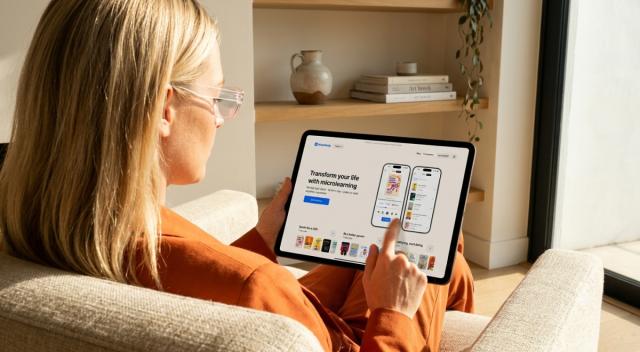


Here's how to use Headway to rebuild your attention span:
Micro-habits: Swap your morning Reels check for a three-minute interactive quiz or Short on Headway.
Growth plans: Swap impulsive scrolling for a personalized Growth Plan that gives your daily screen time a clearer purpose.
Growth streaks: Track your daily learning streak to replace the shallow satisfaction of likes and notifications.
With thousands of summaries across wellness, relationships, and psychology, you can match your reading list to whatever you're working on in real life — not whatever the algorithm decides you need.
📘 Create a personalized reading plan on Headway now.

Five practical steps to stop Instagram addiction
Taking back your attention doesn't require an extreme digital detox or a phone-smashing ceremony. A handful of targeted changes will do most of the work.
The goal of any plan for how to stop Instagram addiction is to build a friction-based environment — one where opening the app takes more effort than it's worth. These steps lower your screen time and protect your peace of mind without forcing you to go off-grid.
Here are five strategies that genuinely work:
Turn off alerts: Start turning off notifications for every social media application — visual triggers are half the battle.
Keep phones out of bed: Charge your phone in another room overnight to boost your sleep quality and protect your mornings.
Plan physical activity: Schedule a walk, run, or workout during the times you usually scroll, so your hands and your mind have somewhere else to be.
Set strict limits: Use your device settings to block access to the app after thirty minutes of daily use.
Track your emotions: Borrow a basic cognitive behavioral therapy move and jot down what you're feeling right before you open the app — boredom, loneliness, anxiety? Naming it is half the cure.
If your anxiety or depression feels too heavy to handle on your own, online therapy is a solid next step. A licensed therapist can help you build coping mechanisms tailored to your digital life — and to your life beyond it.
In his bestselling book 'Atomic Habits', James Clear puts it simply: the easiest way to break an unwanted habit is to make it invisible. Move the Instagram icon off your home screen, drop Headway in its spot, and you've quietly changed the path of least resistance.
Ready to break the addiction to Instagram? Make your move with Headway!
Building a new routine gets a whole lot easier when you have something genuinely fun waiting on the other side. The Headway app is built to help you replace mindless scrolling with active learning — without the boredom or guilt that usually comes with "improving yourself."
Instead of fighting the urge to check social media, you can open a 15-minute summary of a bestselling book and finish it before your coffee gets cold. Same quick-task satisfaction your brain is craving, but stacked with real personal growth.
📘 Trade one scrolling session for one quick summary, and you've turned wasted minutes into actual progress.
Frequently asked questions on how to stop an Instagram addiction
How do I stop my Instagram addiction?
Start by turning off notifications and moving the app off your home screen so it takes real effort to open. Replace your usual scrolling loops with a positive alternative — a short book summary on Headway works well because it satisfies the same urge for quick information. Track what you feel right before you reach for the app, and set firm daily boundaries to slowly rebuild your attention span.
How to get rid of Instagram addiction?
You can shake this behavior by swapping screen time for physical activity and real face-to-face social connections. If self-directed strategies aren't sticking, online therapy can give you proper cognitive behavioral therapy tools to dig deeper. Building a small, consistent daily routine of personal development — even just 15 minutes — helps replace the immediate urge to scroll with something more rewarding.
Is Instagram Reels addiction real?
Yes, heavy scrolling of short clips is a real behavioral issue, even if it's rarely a clinical addiction. The platform uses a targeted algorithm and variable dopamine rewards to keep you watching well past the point of enjoyment. Over time, this kind of endless scrolling can raise your anxiety, hurt your sleep quality, and feed a constant low-level fear of missing out.
What counts as Instagram addiction?
It counts as a serious issue when your screen habits start causing negative consequences in your daily life. Common signs include feeling restless during a digital detox, experiencing low self-esteem, neglecting your sleep, struggling at work, and using the app as your main escape from loneliness or stress. If most of those feel familiar, it's time to take action.
Is Instagram bad for my mental health?
It can be, especially with excessive use. Heavy scrolling is linked to higher anxiety, depression, low self-esteem, and poor sleep quality, largely because the algorithm and constant social media notifications keep your dopamine system on overdrive. That said, the app isn't inherently harmful — the damage comes from how you use it. Setting limits and replacing idle scrolling with something restorative protects your mental health.
What are 5 common signs of IG addiction?
Five signs that point toward a real social media addiction are: thinking about the app constantly, even when your phone is off; needing more screen time to feel satisfied; arguing with family or slipping at work because of usage; feeling anxious or restless when you take a break (classic withdrawal symptoms); and reaching for the app to escape stress or loneliness.