Self-growth
 Apps & Digital Tools
 Business & Career
 Success
 Growth Tools
 Psychology
 Communication
 Relationships

Short attention spans are primarily caused by our constant exposure to digital environments that reward quick switches and provide frequent dopamine hits, eroding our ability for sustained attention.
According to research by Gloria Mark at the University of California, Irvine, the average time spent focusing on a screen has plummeted from 150 seconds in 2004 to just 47 seconds today. If you're struggling to improve your attention span, it's not because you're lazy. It's because your brain has adapted to a world of endless notifications and social media scrolls. This guide offers a two-step plan to stop the brain rot and reclaim your focus.
📘 To start rebuilding your reading habits without feeling overwhelmed, try Headway's bite-sized book summaries.

How to fix attention span — quick answer
Why it's broken: Constant screen time, chronic multitasking, and insufficient sleep overstimulate the brain and weaken the prefrontal cortex.
Phase 1 — Subtraction: Disable all non-human notifications, remove your cell phone from your workspace, and stop the habit of digital multitasking.
Phase 2 — Addition: Practice active listening, use timed work blocks, and engage in physical activity to boost neuroscience-backed cognitive function.
Fastest fix: Physically move your phone to another room; even a silent phone nearby drains your focus.
Longest-lasting fix: Prioritize seven to eight hours of sleep to repair the brain's ability to handle the task at hand.
Timeline: Most people see a real change in how to focus within two to three weeks of consistent effort.
What's actually damaging your attention span
It's easy to joke about having the memory of a goldfish, but the neuroscience behind our shrinking focus is actually pretty sobering. The first culprit is the phone in your pocket. Every time you check social media or get a ping on your cell phone, your brain receives small dopamine hits.
This effect creates a variable-ratio reinforcement schedule, the same mechanism that makes gambling addictive. Your brain starts to crave that next hit of novelty, making the slow, deep work of a to-do list feel painfully boring. It's a primary reason why we develop short attention spans.
The second reason is simply insufficient sleep. The average person in a high-stress environment like New York is often running on fumes, and your mental health and cognitive function are the first things to suffer. Without rest, your prefrontal cortex, the part of the brain that helps you increase focus and ignore distractions, basically goes offline. When you're sleep-deprived, even a simple TV show can feel hard to follow.
And last but not least, the myth of multitasking. Research from the University of California shows that every time you switch from an email to a podcast, you pay an attention residue tax. Gloria Mark's work suggests it takes over 20 minutes to regain your full brainpower for the original task at hand.
Over time, that constant switching trains your brain to expect interruptions, making it impossible to focus on studies or deep work. While some may worry they have ADHD, it's often just the side effects of a lifestyle that never allows the brain to settle.
How to fix attention span: Step 1 — remove what's breaking it
You can't build a house on quicksand. Before you try to increase focus, you have to stop the things that are actively tearing it down. This time is the clean-up phase. If you're dealing with short attention spans, it's likely because your environment is set up to fail you. Here is how to subtract the noise:
1.1 Cut notifications to zero (except calls)
Every time your cell phone pings, your brain is forced to switch gears. These notifications are the primary source of those tiny dopamine hits that keep you distracted. Turn off the red badges, the banners, and the vibrations for everything except actual human phone calls. Checking your apps on your own terms, rather than whenever they demand it, is a big step in protecting your mental health.
1.2 Create phone-free work zones
Research from the University of Rochester Medical Center (URMC) shows that the mere presence of your phone, even if it's silent and facedown, drags down your cognitive function. It's taking up mental energy just to not check it. Put the phone in a different room when you need to get through your to-do list.
📘 Turn off the noise and turn on your brain. Headway gives you the meat of the best productivity books in a distraction-free space.



1.3 Stop multitasking deliberately
We've been told that multitasking is a skill, but in neuroscience, it's just task switching with a heavy penalty. Close the fifteen tabs you aren't using. If you're watching a TV show, put the laptop away. When you try to do three things at once, you're just training your brain to be shallow. Fixing your attention span starts with practicing one thing at a time until it feels normal again.

When task-switching drains your energy, discover science-backed ideas to regain focus.
1.4 Audit your content diet
Short-form video, the endless reels and TikToks, is essentially brain rot for your focus. It conditions you to expect a new reward every ten seconds. To fix short attention spans, you have to cut back on the fast food of content. Your brain needs to remember how to handle a bit of boredom without a screen.
How to fix attention span: Step 2 — train it back
Once you've stopped the constant interruptions, you have to rebuild the muscle. Your average attention span isn't gone. It's just out of shape. Here's how you can improve memory and get your brain back into gear:
Use timed focus sessions: Don't expect to sit down and focus for three hours straight right away. If your focus is really shot, start with just ten minutes of dedicated work. Use a timer. When it goes off, take longer breaks where you actually step away from the desk. That builds sustained attention over time without hitting a wall.
Read long-form content daily: Reading is the ultimate gym for your attention span. Unlike a video, a book doesn't do the work for you. You have to stay engaged to follow the story. Try to read a physical book or a long article for 20 minutes a day. If you've forgotten how to learn through reading, Headway is a great training wheels tool. The summaries give you the core of a book in a distraction-free way, helping you transition back into deep reading habits.
Practice single-sense engagement (active boredom): Try doing a task like washing dishes or walking without a playlist, a podcast, or a phone. This active boredom allows your well-being to reset. It's also a great time to practice mindfulness or active listening if you're with someone else. When you stop constant stimulation, you'll find it much easier to stay with the task at hand.
Get 7–8 hours of sleep, non-negotiably: You can try every hack in the book, but without enough sleep, your brain simply won't have the fuel to focus. Sleep is where your brain clears out toxins and solidifies what you learned that day. It's the single most effective way to increase focus and protect your wellness long term.
Add some physical activity: Getting your blood moving is great for cognitive function. Even a quick 15-minute walk can help clear the mental fog. Physical activity helps regulate the neurotransmitters that keep you sharp, making it much easier to focus on studies or complex work later in the day.
How long does it take to fix your attention span?
Most people notice a meaningful difference in how to focus within two to three weeks of consistent changes. It doesn't take years to rewire your brain. The human mind is incredibly neuroplastic; it wants to adapt.
That said, a total transformation in your average attention span takes about four to eight weeks of sticking to the plan. The first few days will feel like a struggle. You'll feel an itch to check your phone or switch tasks every few minutes. That's normal.
It's just your brain adjusting to the lack of constant dopamine hits. Get past that first week and the "brain fog" starts to lift, and your sustained attention will naturally start to return.
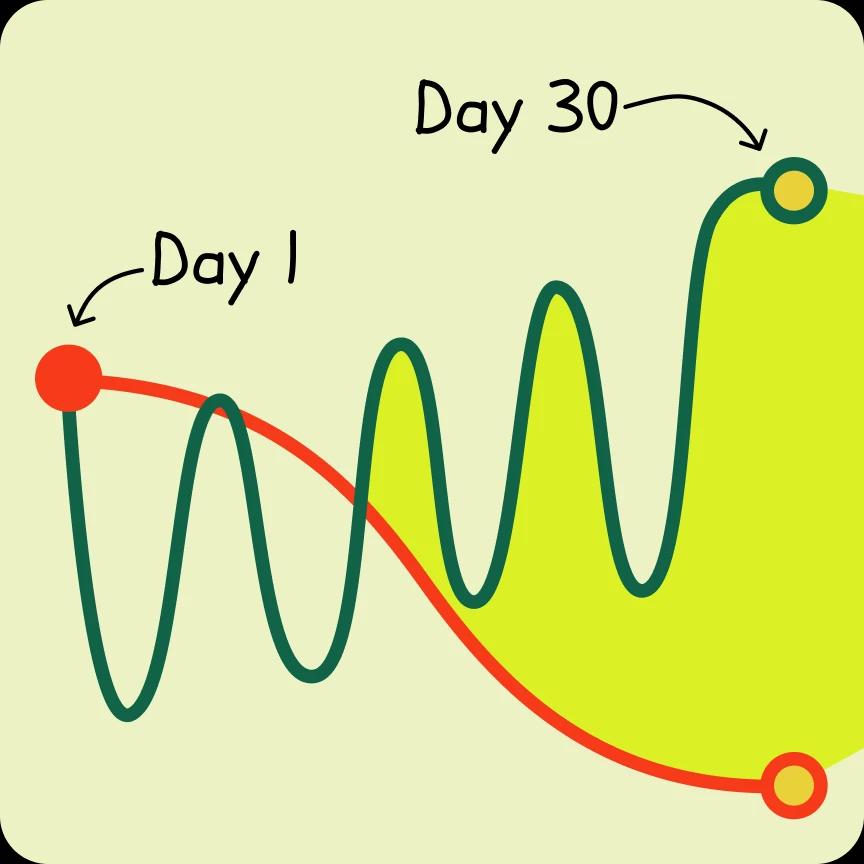
See how far consistent learning can take you
Get actionable insights from your very first 15-minute summary.
Get the planFix your attention span mindfully with Headway!
Fixing your attention span isn't about fighting your own brain. It's about giving it the right environment to do what it does best. The version of you that can sit and focus for an hour is still there, just buried under a mountain of pings and scrolls. By removing the junk and training with intention, you can reclaim your time and your mind.
For a head start on your new reading habit, Headway's summaries are a great way to get the core ideas from the world's best wellness and productivity books at whatever focus level you're working with right now. Take it one task at hand at a time, and you'll be surprised at how quickly you can turn things around.
📘 In a world of distractions, focus is one of the rarest things you can build. Download Headway and start training your mind today.
FAQs about how to fix your attention span
How do I fix a low attention span today?
Start by moving your phone to another room right now. Physical distance is much more reliable than willpower. Next, pick one single task and work on it for just 15 minutes without switching tabs or checking messages. This immediate "win" resets your brain's expectation for constant novelty. To keep the momentum going, use Headway for a quick, focused summary.
How do I fix a low attention span while studying?
Try the 10-minute sprint. Set a timer and commit to only your notes for that short window. It feels far less daunting than an hour-long session. When the timer pings, take a real break. Stretch or grab water, but stay off screens. Learning how to learn is a skill, and Headway's summaries on cognitive habits can help you get there.
Can I improve my attention span?
Yes. Your brain is neuroplastic, meaning it's basically a muscle that has gotten a bit soft from too much scrolling. You can improve your focus by gradually increasing your reading time or practicing active boredom. It takes a few weeks of consistency, but tools like Headway make the transition back to deep, focused thinking feel manageable.
Why does Gen Z have a low attention span?
It's not a generational defect. It's an environmental one. Gen Z grew up in a digital world where rewards are delivered in sub-ten-second bursts. Their brains are simply good at processing rapid novelty, which makes linear tasks feel painfully slow. Rebalancing that focus is possible for anyone who wants to reclaim their mental clarity and long-term cognitive health.
How to fix your attention span after TikTok?
You need a dopamine detox from short-form video loops. Start by replacing ten minutes of scrolling with ten minutes of long-form reading or a Headway summary. That forces your brain to engage with ideas sequentially instead of jumping every few seconds. It will feel a bit restless at first, but that's just your focus muscle finally getting to work.