russia has launched a full-scale war in Ukraine. Donate to support Ukraine and protect the world’s peace.

70 Best Books for Effective Problem Solving

Problem-solving is a highly sought-after skill needed for personal and professional success. It involves effectively identifying, analyzing, and solving complex problems, including critical thinking. Our curated list of the best problem-solving books offers knowledge and insights on thinking critically, making decisions without undue emotion, and solving complex problems.

Check out this list for practical tips and real-life examples to improve your problem-solving skills, professionalism, and change the world for the better. Get ready to unleash your creative potential by immersing yourself in the diverse range of problem-solving books in our collection. Start thinking and solving problems effectively!

Why are problem-solving books so useful?

Every day, we face problems that require a quick and active response. Problem-solving is one of the most critical skills of leaders and effective people in any field.

There are many specialized techniques and methods for solving problems in areas such as engineering, business, medicine, mathematics, computer science, philosophy, and social organization. Mental methods of identifying, analyzing, and solving problems are studied in psychology and cognitive sciences.

In truth, people tend to complicate problems and make them bigger than they really are. To avoid this, try to divide the problem or situation into smaller parts, step by step, to determine where and what went wrong. Then try to find and choose the simplest and most obvious solution. As we know, the simplest things are often more effective.

Before making any decision, think about how this or that person would act in your place. Try to analyze the situation, look at it from the outside, and imagine it didn’t happen to you.

Best books on problem solving

Whether you want to learn how to make better decisions, learn something new, or simply enjoy meaningful conversations, choosing a good book on problem-solving is a great place to start.

Critical thinking is a belief system that allows you to analyze information and make rational decisions based on it. Globally, it’s the ability to distinguish lies from truth, which is extremely relevant in our age of misconceptions.

For example, psychologist Daniel Kahneman identifies two systems in the human psyche. System one is a fast way of thinking that allows you to make decisions quickly. System two is analytical work that requires time and effort, relies on logic, and involves the search for evidence. Both are necessary, but involving each at the appropriate time is important.

Critical thinking helps make decisions in personal life and professional activities. It helps solve complex problems and conflicts by allowing us to objectively assess the situation, analyze arguments, and find alternative solutions.

Additionally, critical thinking becomes especially relevant in scientific research and technological innovations. It helps to make inventions and discoveries, based on proven data and scientific methods. This type of thinking is also needed in business for strategic planning and developing new products. It contributes to market analysis, risk assessment, and decision-making effectiveness.

Overall, creative problem-solving is about developing unique and innovative solutions to problems or tasks. It requires coming up with unconventional ideas instead of the traditional way of doing things. You can find new, inspiring ideas and techniques for developing thinking and problem-solving skills in Headway’s bestselling book summaries.

The 5 Elements of Effective Thinking

by Edward B. Burger, Michael Starbird

What is The 5 Elements of Effective Thinking about?

This insightful book explores five essential principles that enhance thinking skills, encouraging readers to approach problems creatively and effectively. By integrating concepts from mathematics and philosophy, it provides practical strategies for improving analytical abilities, fostering a deeper understanding of various subjects. The engaging narrative includes relatable examples and exercises designed to transform the way you think, making complex ideas more accessible and empowering anyone seeking personal or academic growth.

Who should read The 5 Elements of Effective Thinking

Students seeking to enhance their problem-solving skills.
Professionals aiming to improve critical thinking abilities.
Educators looking for innovative teaching strategies.

Sprint

by Jake Knapp, John Zeratsky, Braden Kowitz

What is Sprint about?

This practical guide introduces a unique five-day process for tackling complex problems and testing ideas efficiently. Designed for teams, it emphasizes rapid prototyping and user feedback, allowing innovators to validate concepts quickly. With step-by-step instructions and real-world examples, it empowers readers to streamline decision-making and boost creativity, making it an essential resource for entrepreneurs, product managers, and anyone looking to transform their approach to challenges.

Who should read Sprint

Entrepreneurs seeking rapid problem-solving techniques.
Product managers interested in efficient idea validation.
Teams looking to innovate quickly and productively.

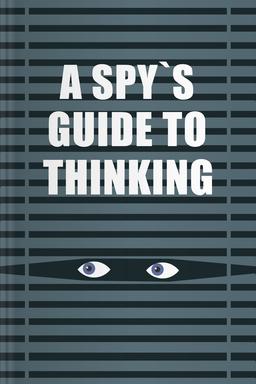
A Spy’s Guide to Thinking

by John Braddock

What is A Spy’s Guide to Thinking about?

This insightful guide delves into the mindset and tactics of espionage to enhance critical thinking and decision-making skills. It examines how spies analyze information, assess threats, and adapt to ever-changing situations. Through engaging examples and practical exercises, readers learn to adopt a spy's perspective, improving their ability to think strategically and creatively in everyday life.

Who should read A Spy’s Guide to Thinking

Aspiring spies seeking insight into strategic thinking.
Business professionals aiming to enhance their decision-making skills.
Students of psychology interested in espionage tactics and mindset.

How Not to Hate Your Husband After Kids

by Jancee Dunn

What is How Not to Hate Your Husband After Kids about?

This insightful guide explores the challenges of maintaining romance and partnership after the arrival of children. Blending humor and practical advice, it delves into the stress and changes that parenting brings to relationships. Through candid anecdotes and expert tips, it encourages couples to navigate conflicts, improve communication, and ultimately, rekindle connection while embracing the joys and trials of parenthood.

Who should read How Not to Hate Your Husband After Kids

New parents seeking relationship advice
Couples navigating parenthood challenges
Readers interested in marriage and parenting dynamics

Declutter Your Mind

by S. J. Scott, Barrie Davenport

What is Declutter Your Mind about?

This practical guide offers strategies to help you clear your mind of clutter, reduce anxiety, and combat negative thoughts. Through actionable steps and exercises, it provides readers with tools to cultivate mindfulness and resilience. By identifying and addressing mental habits that contribute to worry, the book empowers you to lead a more focused and peaceful life.

Who should read Declutter Your Mind

Individuals struggling with anxiety and stress management.
Readers seeking practical tips for mental clarity.
Anyone interested in personal development and mindfulness.

F*ck Feelings

by Michael Bennett, MD, Sarah Bennett

What is F*ck Feelings about?

This candid guide offers practical, no-nonsense advice for dealing with the everyday challenges of life. Drawing on years of experience, the authors, a psychologist and his daughter, tackle common emotional struggles with humor and straightforward strategies, encouraging readers to prioritize action over excessive introspection. The book emphasizes acceptance, resilience, and the value of facing problems head-on rather than getting bogged down by feelings.

Who should read F*ck Feelings

Mental health enthusiasts seeking practical solutions.
Individuals frustrated by emotional turmoil.
Readers looking for humor in self-help advice.

Think Like an Entrepreneur, Act Like a CEO

by Beverly E. Jones

What is Think Like an Entrepreneur, Act Like a CEO about?

This informative guide offers practical strategies for professionals looking to sharpen their entrepreneurial mindset and leadership skills. Through 50 essential tips, it explores how to navigate workplace challenges, adapt to change, and foster a proactive attitude. With a focus on resilience and strategic thinking, the book aims to empower readers to enhance their careers and achieve success in a competitive environment.

Who should read Think Like an Entrepreneur, Act Like a CEO

Aspiring entrepreneurs seeking practical business advice.
Corporate leaders aiming to enhance their leadership skills.
Professionals looking to improve resilience in challenging workplaces.

Upstream

by Dan Heath

What is Upstream about?

This insightful book explores the concept of proactive problem-solving, emphasizing the importance of identifying and addressing issues before they escalate. Through engaging stories and practical strategies, the author illustrates how individuals and organizations can shift their focus from reactive responses to preventative measures. By fostering a mindset of foresight, the text inspires readers to tackle challenges head-on and create lasting solutions.

Who should read Upstream

Problem solvers in business and leadership roles.
Students studying preventative strategies in various fields.
Anyone interested in proactive approaches to challenges.

Reality Is Broken

by Jane McGonigal

What is Reality Is Broken about?

This book explores the transformative power of gaming, arguing that well-designed games can enhance motivation and social connection. By analyzing how games engage and inspire players, it reveals their potential to solve real-world problems and improve emotional well-being. The author advocates for harnessing game mechanics in everyday life to foster resilience and collaboration, suggesting that games can be a force for positive change in society.

Who should read Reality Is Broken

Gamers seeking to understand game design's impact.
Educators exploring gamification in learning environments.
Anyone interested in the intersection of gaming and psychology.

Leadership and Self-Deception

by The Arbinger Institute

What is Leadership and Self-Deception about?

This book explores the concept of self-deception, revealing how individuals often trap themselves in mental boxes that hinder personal and professional relationships. Through insightful anecdotes and practical strategies, it encourages readers to recognize their own blind spots and adopt a mindset of accountability and empathy. By shifting perspectives, individuals can enhance their leadership skills and build more authentic connections with others, paving the way for meaningful change.

Who should read Leadership and Self-Deception

Managers seeking to improve team dynamics.
Individuals wanting to enhance personal accountability.
Anyone looking to understand self-deception in relationships.

FAQs on problem-solving books

What are the best books on problem-solving?

To develop problem-solving skills, you should read self-development and business literature like Daniel Kahneman's 'Thinking Fast and Slow,' Rolf Dobelli's 'The Art of Thinking Clearly,' and 'Cracked It! How to Solve Big Problems and Sell Solutions Like a Top Strategy Consultant,' by Bernard Garrette. These works offer practical strategies for improving your thinking and actions.

What are the seven steps to problem-solving skills?

Problem solving involves the following seven steps:

  1. Problem definition: What is the problem?

  2. Data collection: What is happening?

  3. Root cause analysis: Why?

  4. Solution planning and implementation: Solve the problem correctly.

  5. Impact assessment: Return to the data to check if the solution worked.

  6. Standardization of the solution: How widely can the solution be implemented in the organization?

  7. Process evaluation: Learn about the work done by evaluating it with everyone involved, and use the solution when another problem needs to be solved.

What are the four types of problem solvers?

There are four main types of thinking and problem-solving, each with their own strengths and limitations:

  • The Analyst is logical, consistent, and data-driven.

  • The Innovator is a creative thinker who finds new ways and is not afraid of experimentation and risk.

  • The Implementer is a pragmatist who focuses on specific actions and results.

The Collaborator works through interactions with people, knows how to listen, unites the team, and creates an atmosphere of cooperation.

What is the best book on problem-solving?

'Thinking Fast and Slow' is a New York Times and Amazon bestseller by psychologist and economist Daniel Kahneman. He explains how our thinking influences our financial, political, and personal decision-making, and how we can improve our ability to make better choices. This is a psychological drama with two characters in your head — intuitive and conscious thinking.

Which book is best for critical thinking?

'Think Again: The Power of Knowing What You Don't Know' by Adam Grant is a famous book for developing critical thinking. Grant explores the art of rethinking, including the ability to question our own thoughts and discover those of others to achieve excellence in work and wisdom in life. The scientist provides real-life examples and psychological research that help us to better understand the process of rethinking old thoughts.

How to learn problem-solving and critical thinking?

Thinking critically involves questioning information, analyzing it, checking sources, considering alternative points of view, and forming well-rounded opinions. It also includes analyzing arguments, avoiding emotional expressions, actively listening, and purposefully seeking new ways to solve problems. After all, critical thinking is essential for finding new ways to solve complex practical problems.

Is there a difference between problem-solving and critical thinking?

Critical thinking and problem-solving are closely related, but they are different skills.

Critical thinking is asking the right questions, analyzing the answers, and drawing conclusions. It helps you understand what is true, what is not, and form a well-rounded position. Problem-solving is applying knowledge and skills to find a specific solution to a complex situation.