Protect the world’s peace. Donate to support Ukraine

51 Self-Discipline Books for Personal Growth

Want to stop hitting snooze on your dreams? Self-discipline isn't about punishment, it's your secret weapon for crushing goals and living life on your terms. Whether you're battling procrastination (hello, S.J. Scott's 'How to Stop Procrastinating'), need a kick from former Navy SEAL Jocko Willink's 'Discipline Equals Freedom,' or crave the psychology behind willpower in Peter Hollins' 'The Science of Self-Discipline,' the right book can be your game-changer.

Ready to transform from "I'll start tomorrow" to "I'm already doing it"? Start changing your habits and becoming a better version of yourself today with our carefully curated selection of must-read books.

Best books about discipline

Self-discipline is the ability to give short-term pleasure for a long-term goal. It motivates you to do your job well, even when you are exhausted; it helps you stay on track and achieve challenging goals when unexpected obstacles arise.

Is it worth learning to exercise impressive self-control? Yes, if you want to achieve your goals, be productive, and develop professionally and personally. Any of us can become self-disciplined – it’s just about practice. We also recommend reading books about discipline to deepen your understanding.

It has been proven that self-discipline helps improve learning ability and increase productivity. Students with a high level of self-discipline learn more knowledge and perform tasks more efficiently.

Are there people who are self-disciplined from birth? Perhaps. But it has been proven that this skill can and should be improved. Developing discipline is like going to the gym. The more you work on it, the stronger you become.

You’re self-disciplined if you:

  • Keep your promises: If you can't keep a promise, don't make it. People are counting on you.

  • Are punctual: Not being late for school, work, important meetings, and even dates is very important. Nobody likes to wait.

  • Make important things a priority: Start with the most difficult, and by the end of the day, you can do everything you've planned.

  • Plan the day and follow through: Every evening, write a to-do list for tomorrow and so on, so that you don't miss anything important.

  • Aren’t dependent on gadgets: It’s important to put your phone away while working. 

  • Set a timer for work: By setting a deadline, you can get your work done faster.

Best books on discipline

One reason people don't live the lives they want is that they lack self-discipline. We can't become more disciplined in our thinking and behavior if we don't understand how our habits and skills work. To learn how the human brain works, cultivate useful habits, manage emotions, or motivate yourself to change, turn to books on discipline.

Discipline is closely related to self-control and self-regulation. It refers to our ability to agree with ourselves to perform unpleasant work or a difficult task.

Critical additional skills are:

  • Management of negative emotions that can interfere with the completion of the task

  • The ability to overcome analytical paralysis

  • The ability to work outside our comfort zone

Many people get lost when taking the first steps and trying to understand how to develop self-discipline. After all, it’s difficult to decide where to apply new skills first because personal life, work, and health all seem important. The main thing is not to overload yourself; otherwise, you’ll not be able to form a positive impression of discipline.

Remember, nobody is born disciplined, but then nobody is born a quitter or a procrastinator either. We have learned these behaviors through our upbringing and our own experiences.

Find your next read with a short quiz

What is 1-2-3 Magic for Christian Parents about?

This guide offers a practical approach to discipline, tailored for Christian parents raising children aged 2 to 12. It combines effective techniques with Christian principles, helping parents establish clear behavior expectations and consequences. By emphasizing love, consistency, and understanding, the book empowers parents to foster respectful and responsible behavior in their children, making discipline a more manageable and faith-aligned process.

Who should read 1-2-3 Magic for Christian Parents

  • Christian parents seeking effective discipline strategies.
  • Caregivers of children aged 2 to 12.
  • Educators looking for discipline techniques consistent with faith.
book

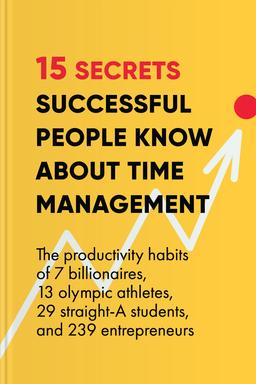
What is 15 Secrets Successful People Know About Time Management about?

This book unveils powerful time management secrets practiced by highly successful individuals across various fields. Through insights from billionaires, athletes, scholars, and entrepreneurs, it illustrates practical habits and strategies that enhance productivity and efficiency. Readers will discover how to prioritize tasks, eliminate distractions, and maximize their time to achieve personal and professional goals, ultimately transforming their approach to managing the most valuable resource of all: time.

Who should read 15 Secrets Successful People Know About Time Management

  • Busy professionals seeking better time management strategies.
  • Students aiming for academic excellence and productivity skills.
  • Entrepreneurs looking to optimize their daily routines.
book

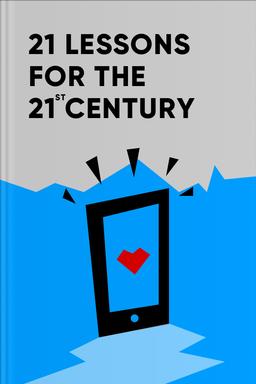
What is 21 Lessons for the 21st Century about?

This thought-provoking exploration examines the pressing issues of the modern world, such as technology, politics, and climate change. Through a series of insightful essays, it encourages readers to confront the complexities of the current era, from the impact of artificial intelligence on society to the rise of nationalism. By blending history and philosophy, it invites critical reflection on how we can navigate the future effectively.

Who should read 21 Lessons for the 21st Century

  • Curious minds seeking insights on modern challenges.
  • Students studying contemporary history and society.
  • Professionals navigating the complexities of a globalized world.
book

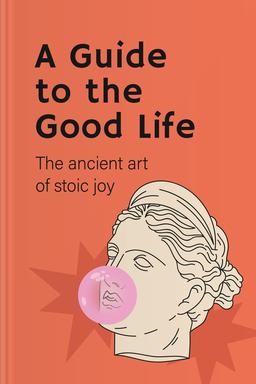
What is A Guide to the Good Life about?

This insightful guide explores the principles of Stoic philosophy and how they can be applied to modern life. Through practical advice and reflections, the author encourages readers to cultivate tranquility, resilience, and contentment amidst life's challenges. The book offers techniques for overcoming negative emotions, achieving a fulfilled life, and embracing the joy found in simplicity and mindfulness. It serves as an accessible introduction to Stoicism for anyone seeking personal growth.

Who should read A Guide to the Good Life

  • Readers seeking practical philosophy for modern living.
  • Individuals pursuing personal happiness and resilience techniques.
  • Those interested in ancient wisdom for contemporary challenges.
book

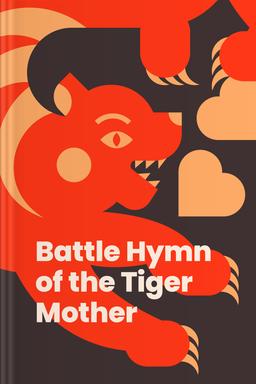
What is Battle Hymn of the Tiger Mother about?

This memoir explores the challenges and triumphs of an Asian-American mother’s strict parenting philosophy. Through a candid narrative, it highlights the cultural differences in child-rearing, contrasting Western permissiveness with Eastern discipline. The author shares her experiences of raising her two daughters with high expectations and rigorous demands, ultimately prompting readers to reflect on parenting styles, success, and the balance between encouragement and pressure.

Who should read Battle Hymn of the Tiger Mother

  • Parents seeking effective child-rearing strategies
  • Educators interested in cultural parenting perspectives
  • Readers exploring the immigrant experience in America
book

FAQs on books about discipline

What books should I read for discipline?

To improve self-discipline, it is worth reading books that will help you form positive habits and change your thinking. These include 'Atomic Habits' by James Clear, 'Flexible Mindset' by Carol Dweck, and 'The 12 Week Year' by Brian P. Moran and Michael Lennington.

What books talk about discipline?

Books on discipline and self-control include 'Atomic Habits' by James Clear, 'Willpower' by Kelly McGonigal, and 'Discipline is Freedom.' Other recommended books include 'The 7 Habits of Highly Effective People' by Stephen Covey and 'Eat That Frog!' by Brian Tracy. You might find 'The Marshmallow Test' by Walter Mischel useful.

How can I fix poor discipline?

To be disciplined, you must formulate goals clearly, plan your day, prioritize, and break down large tasks into smaller steps. Develop healthy habits, plan your day, learn to say "no" to unwanted things, and analyze your achievements and mistakes. Forming a daily routine helps you build consistency. Include time for work, exercise, rest, and hobbies.

What are the five pillars of self-discipline?

Self-discipline is based on hard work, acceptance, willpower, diligence, and persistence. Acceptance helps you see reality as it is, without excuses or denial. Willpower enables you to act on your goals, even when difficult. Hard work, diligence, and persistence build the habit of being consistent, overcoming obstacles, and not giving up, which makes self-discipline the key to personal growth and success.

How can I teach myself self-discipline?

Self-discipline is the skill to move forward, stay motivated, and take action no matter how you feel physically and emotionally. It requires constant practice and nurturing.

Write down your goals so you can see them every day. Remind yourself why you started and what you will achieve when you finish. Set small goals first to build your confidence. Also ask friends to check your accountability, so you can motivate and support each other.

What are some good books on discipline?

These good books on discipline offer practical strategies for developing self-control, forming habits, and achieving goals: 'Discipline Is Destiny' by Ryan Holiday, '12 Rules for Life' by Jordan Peterson, 'No Excuses!: The Power of Self-Discipline' by Brian Tracy and 'Atomic Habits' by James Clear. Your choice of book depends on your personal needs.