Protect the world’s peace. Donate to support Ukraine

32 Spirituality Books for Finding Inner Peace

The feeling can hit in those silent moments. Something is not there, but you cannot name it. Life seems fine, looking at it on paper, yet you feel depleted. Spirituality books will not provide you with simple answers wrapped in incense. They question if there is anyone left beneath all that noise. 

M. Scott Peck in 'The Road Less Traveled' and Eckhart Tolle in 'The Power of Now' strip away the comfortable stories you tell yourself. These 32 books challenge you to sit with discomfort, question your assumptions, and find what actually matters when everything else falls away.

Spirituality books that go beyond surface-level answers

Spirituality books work when they make you uncomfortable first. Ram Dass wrote 'Be Here Now' after leaving Harvard to study consciousness in India. The book doesn't preach. It shows you how much time you waste living anywhere except the present moment. Most people read it and realize they've been sleepwalking through their own lives.

  • Gary Zukav's 'The Seat of the Soul' takes a different angle. He connects spiritual growth to how you handle everyday choices. Every decision reveals your intentions. Are you acting from fear or love? Zukav argues that authentic power comes from aligning your personality with your soul. That sounds abstract until you notice how often you betray yourself to please others or avoid conflict.

  • Dr. Wayne Dyer's 'The Power of Intention' challenges the idea that you need to force outcomes. Intention isn't about willpower. It's about connecting to a source of energy larger than your individual effort. Dyer spent decades studying this. His point: when you align with intention instead of ego, things flow differently. Opportunities appear. Resistance fades.

  • M. Scott Peck's 'The Road Less Traveled' opens with a sentence that stops people cold: "Life is difficult." Once you accept that, everything shifts. Peck, a psychiatrist, shows how spiritual growth requires discipline, not just meditation apps. You can't transcend problems by avoiding them. You grow by facing what you'd rather ignore.

Best spiritual books for real transformation

The best spiritual books don't let you hide behind pretty concepts. 

  • Julia Cameron's 'The Artist's Way' forces you to write three pages every morning before your brain wakes up enough to censor. Those morning pages reveal what you actually think and feel under all the performance. Cameron calls it "spiritual chiropractic" because it realigns you with your true self.

  • Dr. Joe Dispenza's 'Becoming Supernatural' combines neuroscience with ancient practices. He studies people who have healed from serious illnesses through meditation. His research shows that your brain doesn't distinguish between real experiences and deeply imagined ones. When you consistently visualize a new reality, your biology responds. This isn't positive thinking. It's rewiring your nervous system.

  • 'The Daily Stoic' by Ryan Holiday brings ancient philosophy into your morning coffee routine. Each page offers a Stoic principle you can apply immediately. Marcus Aurelius wrote his meditations while leading an empire and fighting wars. Aurelius' advice still works because human nature hasn't changed. You can't control what happens. You control how you respond.

  • Haruki Murakami's 'The Wind-Up Bird Chronicle' takes a fictional approach to spiritual questions. The protagonist descends into a well searching for his missing wife. What he finds there reveals how little we understand about consciousness, memory, and reality itself. Sometimes fiction reaches truths that non-fiction can't touch.

These best spiritual books share a common theme. They ask you to look directly at what you've been avoiding. That could mean past trauma, present fears, or future uncertainties. Growth happens in that looking, not in finding comfortable answers.

Find your next read with a short quiz

What is 21 Lessons for the 21st Century about?

This thought-provoking exploration examines the pressing issues of the modern world, such as technology, politics, and climate change. Through a series of insightful essays, it encourages readers to confront the complexities of the current era, from the impact of artificial intelligence on society to the rise of nationalism. By blending history and philosophy, it invites critical reflection on how we can navigate the future effectively.

Who should read 21 Lessons for the 21st Century

  • Curious minds seeking insights on modern challenges.
  • Students studying contemporary history and society.
  • Professionals navigating the complexities of a globalized world.
book

What is A Brief History of Everything about?

This book offers a comprehensive overview of the evolution of consciousness, weaving together insights from science, philosophy, and spirituality. It explores the interconnectedness of all aspects of existence, tracing the development of human understanding from primitive beliefs to modern theories. Wilber presents a holistic perspective that encourages readers to consider how various elements of existence, including culture and biology, shape our reality and inner lives.

Who should read A Brief History of Everything

  • Philosophy enthusiasts seeking a comprehensive worldview.
  • Spiritual seekers interested in integral theory and consciousness.
  • Students of science exploring the connection between disciplines.
book

Ask and It Is Given

by Esther Hicks, Jerry Hicks

What is Ask and It Is Given about?

This transformative guide explores the principles of the Law of Attraction, emphasizing the power of thoughts and emotions in shaping one's reality. Through practical exercises and insights, it encourages readers to align their vibrations with their desires, facilitating manifestation of abundance, joy, and fulfillment. The authors transparently share techniques to enhance personal power and help individuals embrace their innate ability to create a life they truly desire.

Who should read Ask and It Is Given

  • Individuals seeking personal empowerment and spiritual growth.
  • Readers interested in the Law of Attraction principles.
  • Those looking to improve their manifestation techniques.
book

What is Becoming Supernatural about?

This book explores the intersection of science and spirituality, guiding readers on a journey to unlock their extraordinary potential. Through a blend of neurology, quantum physics, and meditation practices, it reveals how ordinary individuals can transcend their limitations, shift their realities, and harness the power of their consciousness to create a fulfilling, supernatural life. Practical tools and real-life stories inspire readers to embark on their own transformational journey.

Who should read Becoming Supernatural

  • Individuals seeking personal transformation and growth
  • Science enthusiasts interested in consciousness and spirituality
  • Readers curious about meditation and mindfulness techniques
book

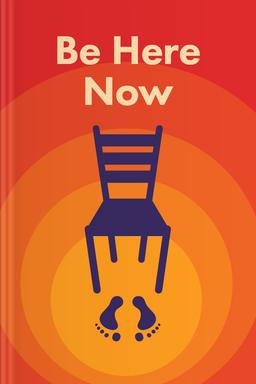
What is Be Here Now about?

This transformative guide combines Eastern philosophy with Western psychology, inviting readers to embrace mindfulness and presence in everyday life. Through a blend of teachings, anecdotes, and visual art, it explores the nature of consciousness, spirituality, and the importance of living in the moment. The book encourages readers to break free from societal conditioning and discover deeper dimensions of being, ultimately fostering a sense of peace and connection.

Who should read Be Here Now

  • Spiritual seekers looking for mindfulness guidance.
  • Readers interested in Eastern philosophy and meditation.
  • Individuals wanting to explore consciousness and personal growth.
book

Frequently asked questions on spirituality books

What is the best spiritual book of all time?

For many people, the Bible is the greatest spiritual book of all time. It shapes ideas about goodness, meaning, choice, and inner strength. Its images and stories act as a great guide: they provide direction when life is in the face. And most importantly, it can be reread again, discovering new meanings every time, like a good classic.

What is the most life-changing book to read?

'Man's Search for Meaning' by Viktor Frankl changes how people see hardship. Frankl survived Nazi concentration camps by finding meaning in suffering. His logotherapy approach shows that life has purpose even in the worst circumstances. Readers report feeling more resilient and less focused on superficial problems after reading it.

What books to read to become more spiritual?

Start with 'Be Here Now' by Ram Dass to understand consciousness, then 'The Seat of the Soul' by Gary Zukav to connect spirituality with daily choices. Add 'Becoming Supernatural' by Dr. Joe Dispenza for the science behind meditation. These books build on each other without requiring religious belief or rigid practices.

What are the best spirituality books?

Among the best books on spirituality, it is worth highlighting 'Mere Christianity' by Clive Staples Lewis, which deeply explains the foundations of faith, 'The Power of Now' by Eckhart Tolle introduces you to live in the moment consciously, and 'The Seven Spiritual Laws of Success' by new age guru, Deepak Chopra shows how to combine spirituality and daily life.

Which book is best for spiritual growth?

'The Seat of the Soul' by Gary Zukav offers a clear path. Zukav explains how to shift from external power (manipulation, control) to authentic power (alignment with your soul). He connects spiritual concepts to everyday situations, such as work conflicts and relationships. The book gives you tools to assess your own growth.

What are the 7 levels of spirituality book?

'The 7 Levels of Spiritual Awakening' by Isira describes stages of consciousness development: awakening, self-awareness, shadow work, soul consciousness, cosmic consciousness, divine consciousness, and unity consciousness. Each level represents deeper understanding and integration. Isira draws from her own experience guiding people through transformation using her Holistic Awakening approach.