Self-growth
 Apps & Digital Tools
 Business & Career
 Success
 Growth Tools
 Psychology
 Communication
 Relationships
All the best books on topic
What is A Brief History of Everything about?
This book offers a comprehensive overview of the evolution of consciousness, weaving together insights from science, philosophy, and spirituality. It explores the interconnectedness of all aspects of existence, tracing the development of human understanding from primitive beliefs to modern theories. Wilber presents a holistic perspective that encourages readers to consider how various elements of existence, including culture and biology, shape our reality and inner lives.
Who should read A Brief History of Everything
- Philosophy enthusiasts seeking a comprehensive worldview.
- Spiritual seekers interested in integral theory and consciousness.
- Students of science exploring the connection between disciplines.
What is A Short History of Nearly Everything about?
This engaging exploration of science takes readers on a journey through the history of the universe, from the Big Bang to modern times. With wit and humor, it simplifies complex concepts in physics, chemistry, biology, and geology, revealing the intriguing stories behind groundbreaking discoveries and the scientists behind them. The narrative highlights the wonders and absurdities of life, making science accessible and entertaining for all.
Who should read A Short History of Nearly Everything
- Curious minds seeking scientific knowledge and humor.
- Lifelong learners interested in earth and universe history.
- Science enthusiasts who enjoy engaging narrative styles.
What is Be Here Now about?
This transformative guide combines Eastern philosophy with Western psychology, inviting readers to embrace mindfulness and presence in everyday life. Through a blend of teachings, anecdotes, and visual art, it explores the nature of consciousness, spirituality, and the importance of living in the moment. The book encourages readers to break free from societal conditioning and discover deeper dimensions of being, ultimately fostering a sense of peace and connection.
Who should read Be Here Now
- Spiritual seekers looking for mindfulness guidance.
- Readers interested in Eastern philosophy and meditation.
- Individuals wanting to explore consciousness and personal growth.
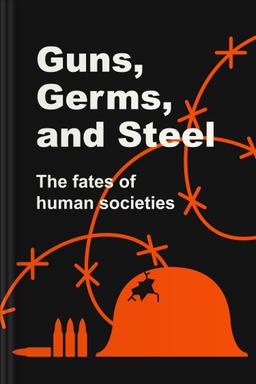
What is Guns, Germs, and Steel about?
This acclaimed work explores the factors that shaped the modern world, examining how geographic and environmental variables influenced the development of civilizations. Through a multidisciplinary lens, it addresses the rise of technology, the spread of diseases, and the impact of agriculture. By uncovering the roots of inequality among societies, it challenges traditional narratives about race and culture, offering a profound understanding of human history and its complexities.
Who should read Guns, Germs, and Steel
- History enthusiasts seeking insights into societal development.
- Students studying geography and anthropology in academia.
- Readers interested in the impact of environment on civilizations.
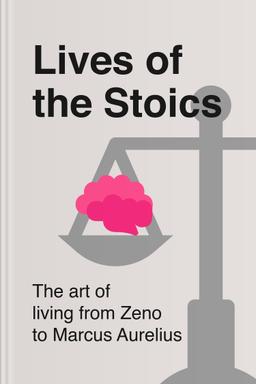
What is Lives of the Stoics about?
This insightful exploration delves into the lives and philosophies of prominent Stoic thinkers, from Zeno to Marcus Aurelius. It examines how their teachings can provide guidance in navigating modern challenges, emphasizing resilience, virtue, and the pursuit of a meaningful life. Through engaging narratives and practical wisdom, readers are encouraged to embrace Stoicism as a timeless art of living that fosters inner peace and strength in adversity.
Who should read Lives of the Stoics
- Philosophy enthusiasts seeking practical life guidance.
- Students of Stoicism looking for historical context.
- Readers interested in personal development through historical figures.