Self-growth
 Apps & Digital Tools
 Business & Career
 Success
 Growth Tools
 Psychology
 Communication
 Relationships
You’ll learn
- Pros and cons of snacking
- Why plate size can deceive our appetites
- The impact of store layouts on impulse buys
- Tips for mindful eating
- Health perks in typical food garnishes
first KEY POINT
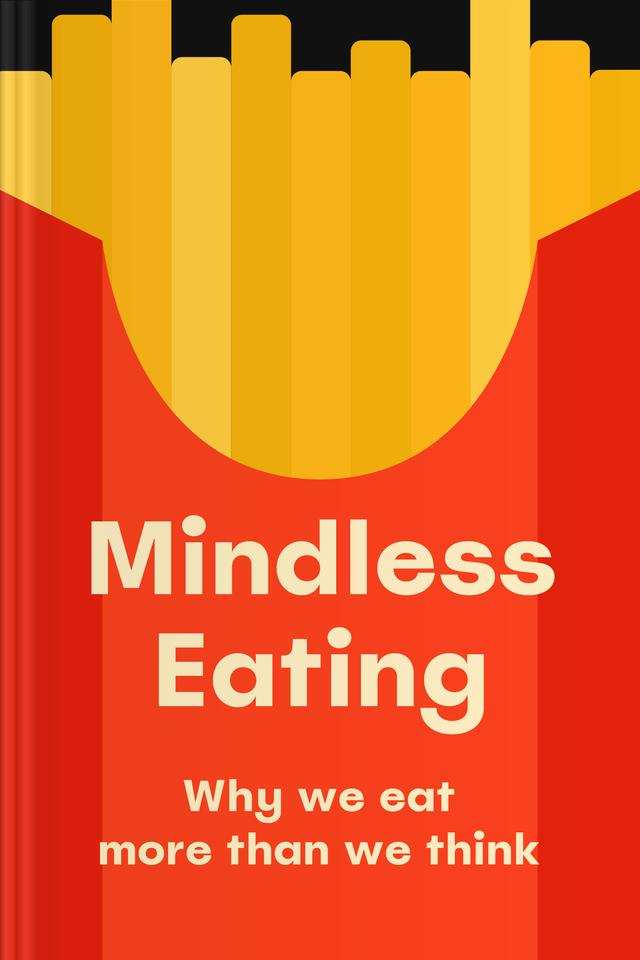
Picture yourself standing in your kitchen, hand deep in a bag of chips. You promise yourself: “Just one more,” but soon, the bag is empty. We’ve all been there. Snacking isn’t simply about satisfying hunger; it combines culture, biology, and psychology. Far across the globe, the diversity of snacks, from Japanese rice crackers to spicy Mexican tamarind candies, mirrors our cultural tales and histories.
In today’s fast-paced world, our eating habits often mirror our swift, unconscious, and on-the-go lifestyles. But have you ever pondered the deeper meaning behind that handful of almonds or candies? Our snacking can teach us more about ourselves than just our food preferences. When you find solace in a chocolate bar after a rough day, your brain seeks comfort, transforming calories into emotional relief. However, snacks add up to the number on the scales and empower us. Athletes lean into protein bars post-workout, while students munch on nuts during late-night study marathons. If we mindlessly give in to every urge, we over-consume, but with knowledge, we can snack smartly.
Our mission isn’t to shun the enjoyment of food but to eat with joy, purpose, and mindfulness. Remember, you can easily overeat without realizing it, but you can also effortlessly eat less without missing out.So, dive deep into your habits, exploring how your surroundings influence your decisions and how tiny tweaks can impact you significantly. Are you ready to transform your relationship with food? Let’s embark on this flavorful adventure, savoring each bite and the stories they tell.
second KEY POINT
Margin is a crucial aspect of dieting and eating habits that often escapes our attention. It’s the fine line between consuming too much and just enough. On any given day, we might consume an extra handful of chips or a splash of more dressing on our salad. These actions may seem insignificant, but they have a cumulative effect over time.Consider an experiment where individuals ate soup from bowls that were discreetly refilled. Those using these “bottomless” bowls ate more than those with standard ones without even noticing. It’s a vivid reminder that external cues often influence us more than our hunger.
Continue reading with Headway app
Continue readingfirst KEY POINT
second KEY POINT
third KEY POINT
fourth KEY POINT
fifth KEY POINT
Related blog articles

Elevate the way you learn with Headway — the smart, streamlin...

Discover top apps that help you learn in just 10 minutes a da...

Curious about the Deepstash app? Find out if this app offers ...

The answer to the question "Is Blinkist worth it?" depends on...

Discover practical tips, expert insights, and book-powered to...