Self-growth
 Apps & Digital Tools
 Business & Career
 Success
 Growth Tools
 Psychology
 Communication
 Relationships


Not sure how to support someone with burnout when your friend cancels dinner for the third time? Every text says "so tired, sorry," and you start to wonder if it's you. It's probably not. In 2023, about 35% of health care workers at US Veterans Health Administration medical centers reported burnout, up from about 30% in 2018. That's only one profession.
Effective support includes practical help and emotional validation, and this guide covers both: scripts, small favors, when to suggest therapy, and how to protect your own energy.
You'll also find tips from authors like Nixaly Leonardo, Marc Brackett, Lori Gottlieb, Kelly McGonigal, and Vivek Murthy. Their book summaries fit into spare minutes with Headway.
Download the Headway app today and start listening!
Disclaimer: If you have symptoms of burnout, consult a specialist. This article is for education only, and results may vary. Headway is a microlearning and daily growth app, not a diagnostic or medical tool.

Quick summary: How to support someone with burnout in five moves
The fast version, if you only have a minute:
How to support someone with burnout starts with listening, as 'Active Listening Techniques' shows.
Offer one specific task, like dinner or a school pickup.
Invite them on a gentle walk, as 'The Joy of Movement' suggests.
Recovery takes weeks to months, so keep checking in.
Suggest a therapist if symptoms last, and protect your own energy.
Keep reading for the full guide, scripts, and book tips included.
Signs someone you care about is burned out, and when it's something else
Before you work out how to support someone with burnout, check that burnout is what you're seeing. It rarely arrives as one big breakdown. It shows up as a pile of small changes, and most people hide them behind "I'm fine."
Emotional signs of burnout
Emotional exhaustion that sleep doesn't fix.
Increased irritability over small things.
Feeling cynical, numb, or helpless.
They may say they feel exhausted even after a full night's sleep. One example: a sister who used to love her job now dreads Monday and snaps over small things.
Behavioral signs of burnout
Pulling away and canceling plans.
Losing interest in hobbies.
Decreased motivation at work and home.
Short "I'm fine" replies.
The friend who stopped answering the group chat is a classic case.
Physical signs of burnout
Chronic fatigue and difficulty sleeping.
Muscle tension and muscle pain.
Tension headaches.
Stomach trouble.
The Cleveland Clinic lists fatigue, tension headaches, back pain, and stomach problems as common signs. These burnout symptoms affect both physical and emotional health, so the body often shows the signs first. A person experiencing burnout may describe constant stress that never switches off and feeling mentally drained.
Burnout vs depression: Why it deserves a closer look
The two overlap. Mayo Clinic says burnout can raise the risk of depression, even though the two need different treatments. Burnout usually ties to one situation, like work, and stepping away often brings relief. Depression doesn't always have a clear trigger, according to Cleveland Clinic.
If low mood spreads beyond work or comes with hopelessness, that points to professional help, not a pep talk. Several mental health conditions can look like burnout, so you're noticing warning signs, not diagnosing.
Risk factors include long hours, little control over work, and a heavy caregiving load. Prolonged stress and excessive stress at work are why job burnout hits helpers so hard. For more detail, see our guides on the symptoms of burnout and mental exhaustion.
📘 Start spotting warning signs earlier on Headway!
How to start the conversation without making it worse
How to support someone with burnout starts with a calm first talk. Pick a private, low-pressure moment, since an in-person walk or coffee beats a long text thread. Put your phones away.
Here's a simple order to follow:
Lead with what you've noticed. Say, "I've noticed you seem wiped out lately. How are you doing, really?" Skip labels like "burned out," which can sound like a verdict.
Ask twice. Many people answer "fine" the first time. A second ask shows you're open to listening, so try, "No rush. I'm happy to listen."
Ask what kind of help they want. Say, "Do you want advice, or do you just need me to listen?"
Make it a safe space. Offer emotional support without time pressure or judgment, and let short answers be enough.
If they deflect or get defensive, don't take it personally. Tell them the door stays open and try again in a few days. Open communication builds slowly, and a family member or friend who keeps showing up calmly can make a real difference.
Supporting someone through this takes patience, and if you feel helpless, remember that listening counts as help. When they want to talk about next steps, our guide on how to recover from burnout has ideas you can share.
What to say to someone with burnout, and what to skip
How to support someone with burnout often comes down to word choice, because good intentions can still land wrong. Validation means telling someone their feelings make sense without trying to fix them. It's the quickest way to show you're on their side.
Unsolicited advice is the usual slip. It skips the part where a person feels heard and jumps to solutions they didn't ask for. Listen first, solve later, and let them set the pace.
Keep a few other things in mind. Feeling numb or cynical is a normal part of burnout, so don't argue with it. If they cancel plans again, try to feel compassion instead of taking it personally, since canceled plans usually mean an empty tank. And protect their emotional health by asking before you offer ideas.
Here are six swaps that make a big difference:
| Instead of this | Try this | Why it works |
|---|---|---|
"Everyone's stressed." | "That sounds exhausting. Tell me more." | It treats their experience as real |
"Have you tried yoga?" | "Do you want ideas, or just a listener?" | It avoids unsolicited advice and gives them a choice |
"Let me know if you need anything." | "I'm bringing dinner Thursday. Is 6 okay?" | It takes the planning off their plate |
"It'll all work out." | "You don't have to have it figured out today." | It skips a promise you can't keep |
"I know exactly how you feel." | "I can't fully know, but I'm here." | It keeps the focus on them |
"You just need a vacation." | "What would make this week lighter?" | A break alone rarely fixes the cause |
Notice the pattern. Each swap treats their experience as real and hands them a choice.
📘 Try 15-minute listening lessons on Headway!
Practical ways to help this week: Small tasks beat big speeches
Practical support works better than a long talk when you're figuring out how to support someone with burnout. Start with what's easy to say yes to.
Offer a specific task: a meal, a school pickup, laundry, or a returned parcel. "Let me know" puts the work back on them, so ask about their personal needs this week and name one thing you'll do.
Take one recurring chore for a month. Predictable relief beats one big gesture.
Protect their sleep. Keep evenings quiet, send fewer late texts, and skip big asks after 8 p.m. Enough sleep matters most when they're dealing with difficulty sleeping.
Invite them to gentle movement. A 15-minute walk with no pace goals works. Gentle movement can support recovery from burnout and ease muscle tension from long days at a desk.
Help them spot what's driving it. Ask "What drains you most?" and sketch a short list together, like workload, a conflict, or caregiving. Helping identify causes of burnout can lead to meaningful changes, so pick one thing they can change or ask for.
Offer to do the first step with them. Draft the email to a manager, or sit with them while they book a doctor visit.
Keep plans low-stakes. A movie night with no pressure to be fun.
These steps give them room to rest and restore balance. After a hard conversation, try two minutes of slow breathing together to reduce stress.
Recovery takes weeks to months: How to keep showing up
Long-term support matters because recovery from burnout can take weeks to months, depending on the support you have. Burnout recovery is the slow return of energy and a sense of control after long-running stress. In severe cases, symptoms can last much longer, and a peer-reviewed review of clinical burnout notes that some persist for years. Nobody can promise a timeline.
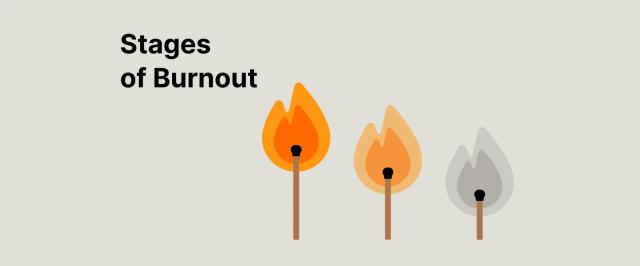
Recovery isn't a straight line. Flat ones follow good weeks, so don't judge progress by how much they get done. It also moves through stages, which the 12 stages of burnout guide lays out.
Habits that keep support going:
Keep one predictable weekly check-in.
Notice small wins, like a better night's sleep or a real lunch break.
Stay close when they pull away.
Work-life boundaries belong to them. They decide the limits, like no email after a set hour, and you cheer them on without policing. Social support from people outside work is linked to lower burnout, according to a meta-analysis, so your steady presence counts.
📘 Get calm, practical reads on emotional health with Headway!
Supporting a partner, friend, coworker, or family member: what changes
How to support someone with burnout looks different depending on your role.
| Your role | What helps most | What to watch for |
|---|---|---|
Partner | Take on part of the household load, protect quiet evenings, plan low-key time together | Resentment, and becoming their only support |
Friend | Low-pressure check-ins, specific offers, keep inviting them | Taking canceled plans personally |
Coworker | Share the workload openly, cover when you can, point them to HR or an employee assistance program | Quietly doing their job for months |
Family member | Regular calls, help with logistics, a gentle nudge toward a doctor visit | Old family roles and lectures |
Employee you manage | Cut workload, clarify priorities, give them some control over their schedule | Praising overwork |
Pick the role that fits and skip the rest. If the person is a family member who also cares for others, our guide on caregiver burnout covers that load.
How to look after yourself while you support someone else
Your own energy is part of how to support someone with burnout for the long haul. Self-care is what makes effective long-term support possible, so prioritize self-care the way you'd prioritize their Thursday dinner.
Signs you're running low: dread when their name lights up your phone, irritability, and sleep that suffers. You may feel guilty or feel overwhelmed. Feeling guilty is common and doesn't mean you're doing it wrong. Your well-being and personal health matter here, and you can't help anyone if you burn out, too.
Say your limits out loud, kindly. Healthy boundaries are easier to keep when you have words ready:
"I want to be here for you, and I also can't be your only support."
"I can talk tonight, but I need to be in bed by ten."
"I can't fix this, but I can bring dinner Thursday."
"I'm taking Sunday for myself, and I'll check in Monday."
Share the load with other friends, family, a support group, or a professional. You're not their therapist.
Set healthy boundaries, including around late-night calls, and find healthier ways to recharge than scrolling, like sleep, movement, your own friends, and one thing just for you. Managing stress on your side keeps your life steady too. If numbness creeps in, read about compassion fatigue vs. burnout.
Five practical tips from Headway book summaries
Reading is one of the smartest ways to train your brain. If you don't have time to read every book on listening and mental health, Headway book summaries make every minute count.
Not sure which book to start with? Use Headway as a shortcut: listen to the summary first, then decide what's worth the full read. The app offers a clean design, quick text and audio formats, and progress tracking. Summaries don't treat burnout, and Headway is not a diagnostic tool.
1. 'Active Listening Techniques' by Nixaly Leonardo, LCSW: let them feel heard first
Tip: Paraphrasing and labeling feelings show someone you heard them before you offer anything else.
Exercise: In your next talk, say back what you heard in one sentence ("Sounds like the deadlines never stop and you're wiped out") and ask, "Did I get that right?" Wait a few seconds before you reply.
2. 'Permission to Feel' by Marc Brackett, Ph.D.: use specific words for feelings
Tip: Naming an emotion accurately helps more than "you seem stressed." Validate first, fix later.
Exercise: Offer two feeling words, like "overwhelmed" or "depleted," and let them pick one or correct you.
3. 'Maybe You Should Talk to Someone' by Lori Gottlieb: make asking for help ordinary
Tip: Therapy is easier to start when you treat it as normal, not as a last resort.
Exercise: Offer to help with the first step: "Want me to help you look up a few therapists? I can sit with you while you send the email."
4. 'The Joy of Movement' by Kelly McGonigal: invite, don't coach
Tip: Moving with someone you trust can lift mood and build connection. Keep it gentle and free of goals.
Exercise: Invite them on a 15-minute walk at a pace where you can talk. Skip step counts and fitness talk.
5. 'Together' by Vivek H. Murthy, MD: give them your full attention for 15 minutes
Tip: Regular, undivided time with people you care about eases loneliness, and helping and being helped goes both ways. It's also why a support group can feel like relief, and why steady connection supports personal growth and well-being.
Exercise: Set a recurring 15-minute call or coffee with phones face down. Close with, "What would make tomorrow a bit lighter?"

Be a steady support in your spare minutes with the Headway app
Supporting someone with burnout comes down to a few habits: listen first, offer specific help, encourage professional support when symptoms last, and protect your own energy. Short book summaries can help you practice each one before the next hard conversation.
Headway turns full books into 15-minute summaries in audio and text. Personalized recommendations point you to listening and emotional health titles, and daily streaks keep the habit light.

Download Headway and turn spare minutes into skills you can use this week.
FAQs about supporting someone with burnout
How do you help someone who is burnt out?
Start by listening without fixing, then offer one specific task, like dinner or a school pickup. That's the simplest answer to how to support someone with burnout: practical help plus emotional validation. Keep checking in, encourage rest and gentle movement, and suggest a doctor or therapist if symptoms last for weeks.
What should you not say to someone with burnout?
Skip unsolicited advice and minimizing lines like "Everyone's stressed" or "You just need a vacation." They can leave a person feeling dismissed. Try "That sounds exhausting. Tell me more" instead. Ask what they need before you offer ideas, because how to support someone with burnout depends on what that person finds useful.
When should someone with burnout see a therapist or doctor?
See one when symptoms last for weeks despite rest, daily tasks pile up, sleep or appetite is off, or hopelessness shows up. A doctor can check if depression or another medical condition is involved. If they mention self-harm or suicide, call or text 988 in the US right away.
What's the difference between burnout and stress?
Stress often feels like having too much to handle while you still care about getting it done. Burnout feels like having nothing left. It builds after prolonged stress with no time to recover, and it brings emotional exhaustion, cynicism, and low motivation. Stress usually eases when the pressure lifts, while burnout tends to linger.
Is it normal to feel numb or cynical when burned out?
Yes. Cleveland Clinic lists apathy and dissatisfaction among the common signs of burnout, and a flat, cynical mood can come with it. Don't argue with those feelings or try to cheer the person up. Listen, validate, and keep inviting them to things. If the numbness spreads to every part of life, suggest they see a doctor.
How do you help someone who doesn't want help?
Not everyone wants to talk right away. Say once that you're around, then show it with small, low-pressure moves like dropping off dinner or sending a funny text. Avoid pushing. Trust builds when you keep showing up without demands, and that opens the door to healthier ways of getting help later.
Can burnout happen in a new job?
Yes. A new job can bring heavy workloads, unclear expectations, and little control, which are common burnout triggers. Mayo Clinic lists lack of clarity and lack of control among the causes. If a new hire seems drained within months, a calm check-in and a chat with a manager can make a big difference.