Self-growth
 Apps & Digital Tools
 Business & Career
 Success
 Growth Tools
 Psychology
 Communication
 Relationships
Key takeaways:
Some 44% are behind where they expected to be at this point in their life, and 57% fear they’re running out of time to turn it around.
However, uncertainty holds them back, with 88% having put off important life changes and 51% having lowered their ambitions this year.
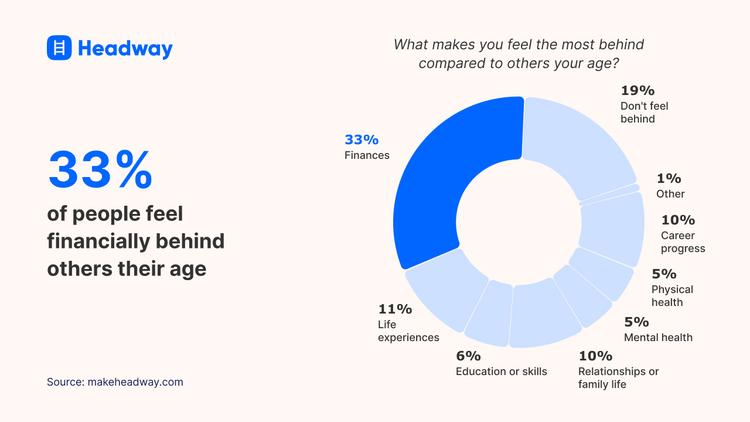
Finances are the biggest cause of concern, with 53% admitting that staying afloat is their biggest priority this year.
However, many recognize personal development as a way to reduce life’s pressures. Some 12% say setting a plan and working towards it helps them to feel more certain, while 9% focus on building skills that unlock opportunities.
We set ourselves lofty goals from an early age – to become a famous singer or a professional athlete. And while our goals may become a little more realistic, age doesn’t curb our ambitions. We tell ourselves we’ll own a home by 30, earn six figures by 35, and retire to the beach by 50.
However, various pressures are working against our ambition: the cost of living, job insecurity, and our own inner voice.
Headway app surveyed 2,000 people on whether they’re where they want to be in life and what’s holding them back from chasing their dreams.
The inner critic: The negative thoughts that hold us back
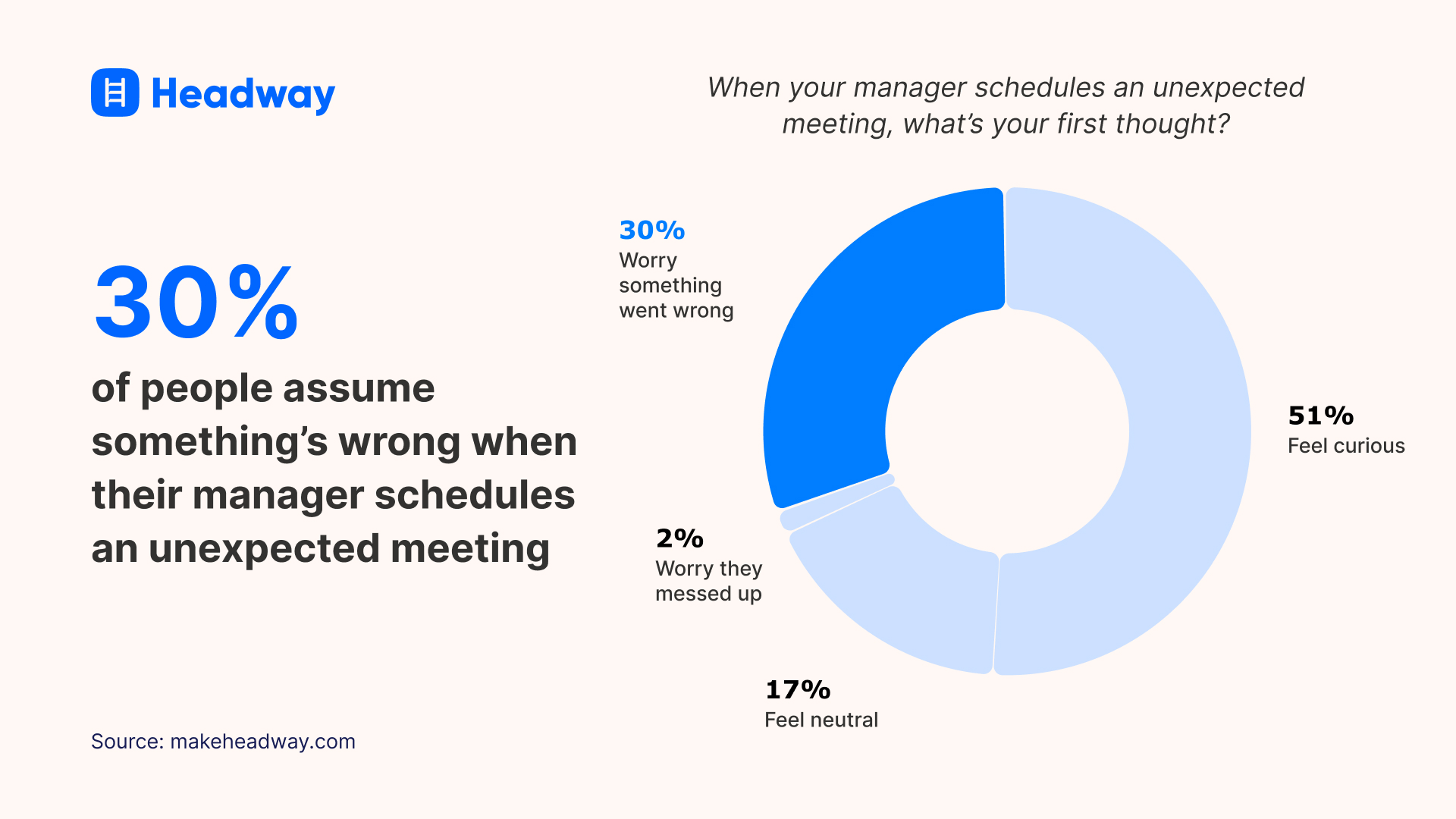
Some 30% of people assume something’s wrong when their manager books an unexpected meeting.
It’s definitely not a new project they're assigning you to, or a pat on the back for all your hard work. Nope. They're about to lay you off, or you royally messed up somewhere, your mind insists.
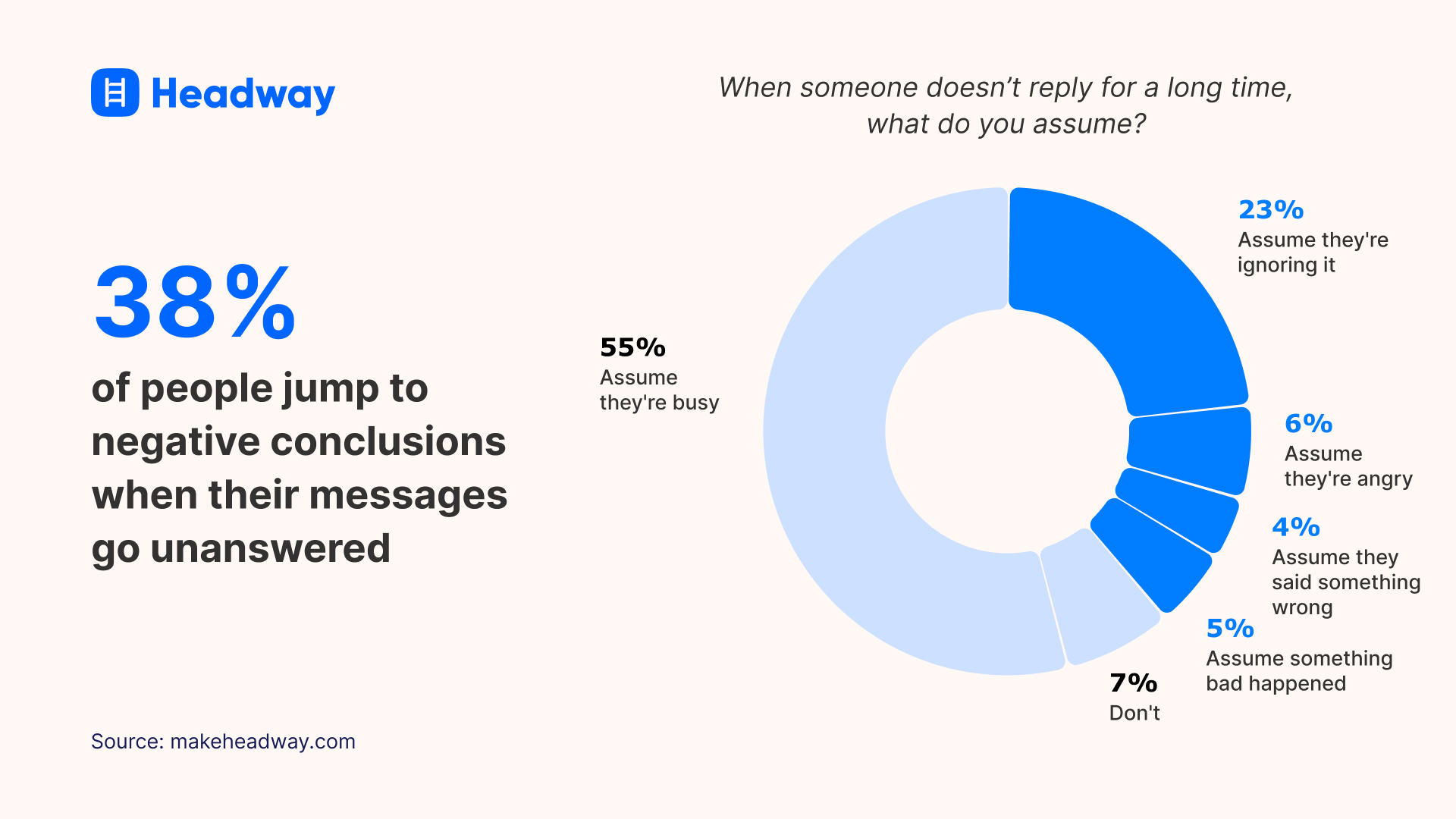
For 38% of people, that little blue tick – opened but unanswered – causes instant dread. Some 23% assume the recipient is ignoring them on purpose, 6% fear they've made them angry, and 5% worry something bad has happened to them. In reality, they’re probably just busy.
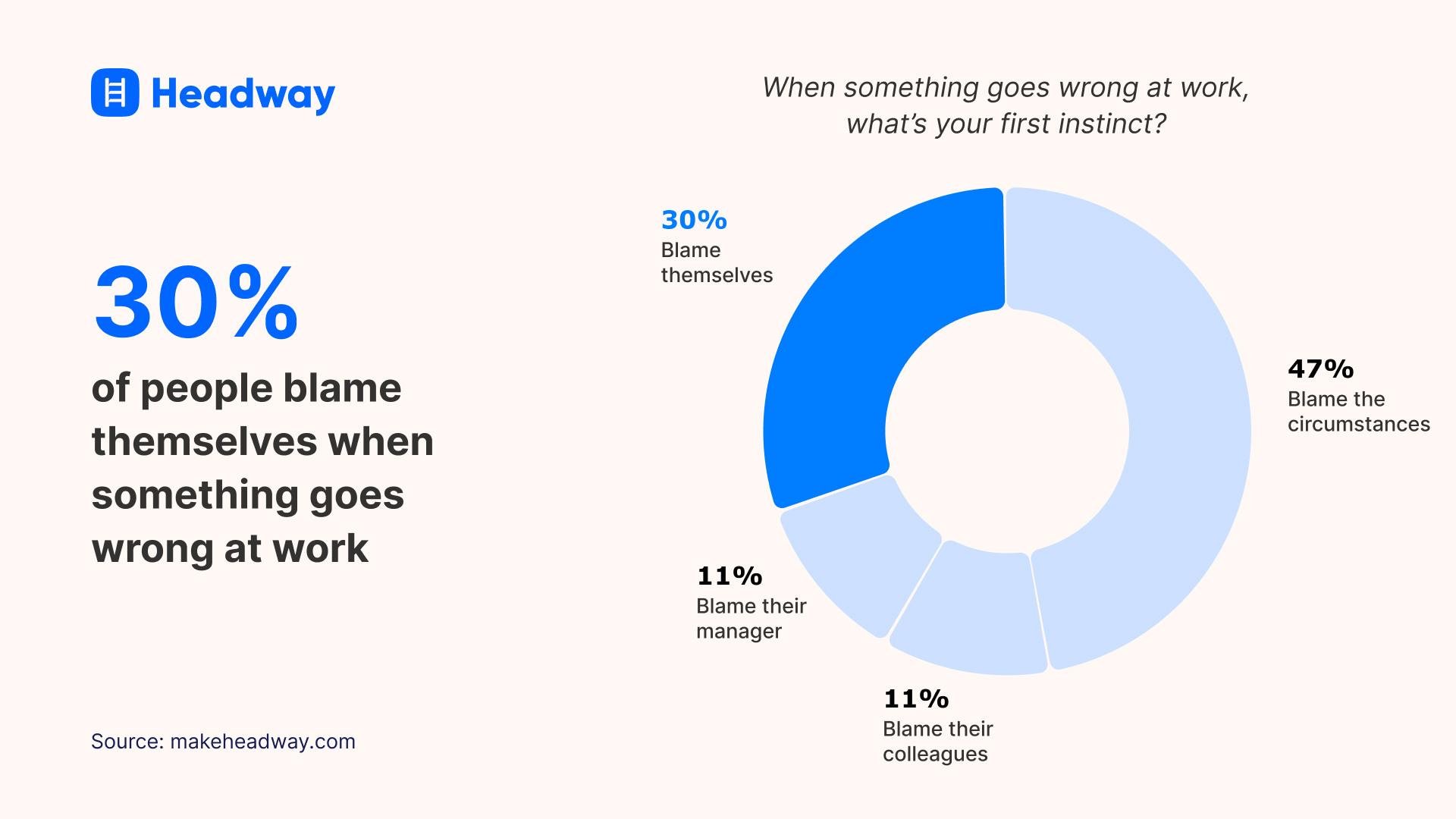
We’re not machines – mistakes happen, and nobody’s perfect. Yet, when something goes wrong at work, 30% of people are quick to blame themselves.
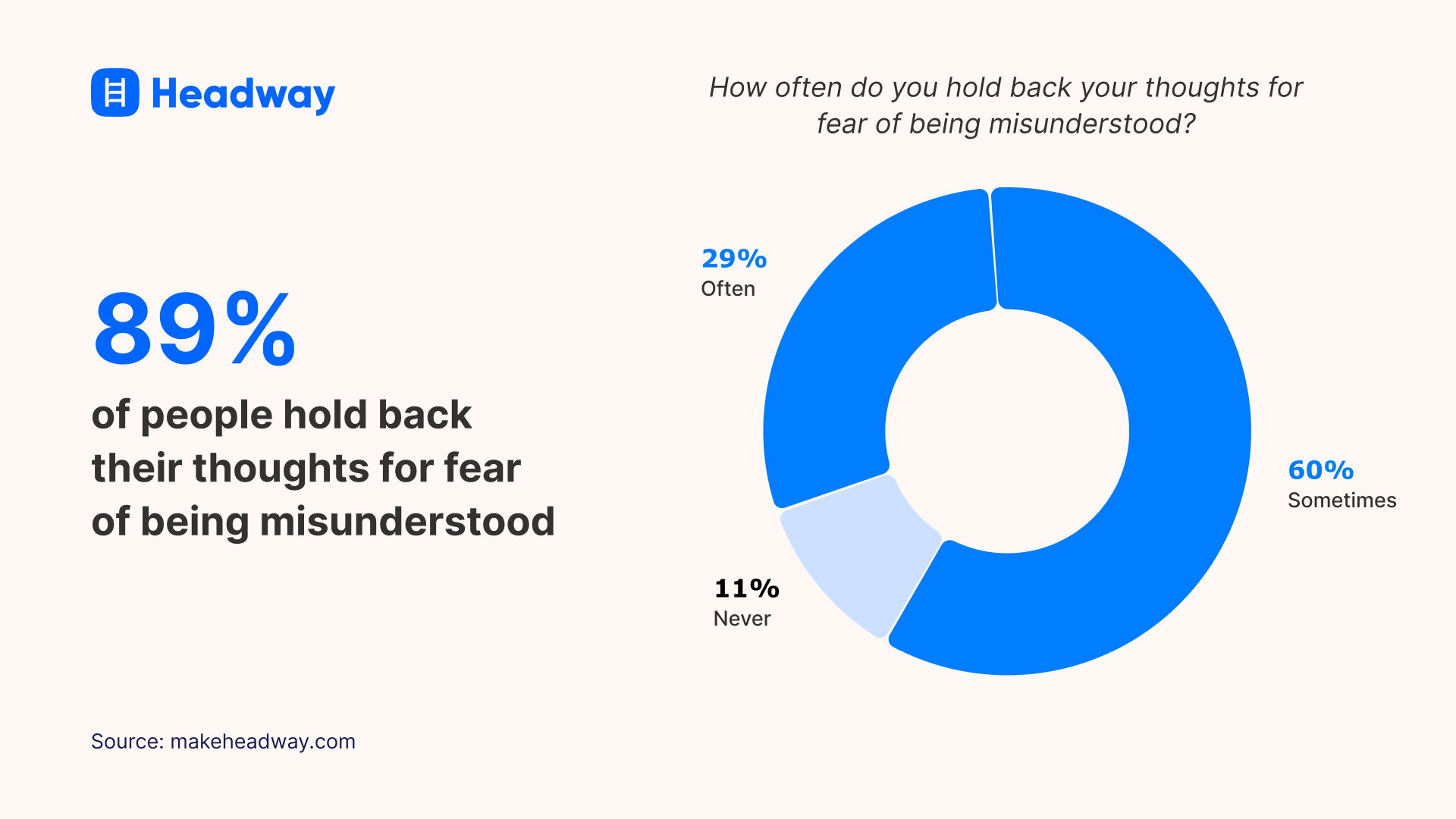
We all have something valuable to contribute – a useful piece of advice, a creative idea, or a unique perspective. Yet, countless thoughts never make it out of people’s heads, as self-doubt stops them from sharing.
Some 89% admit they hold back their thoughts due to the fear of being misunderstood, with 29% doing so often.
The fear of falling behind: A help or hindrance?
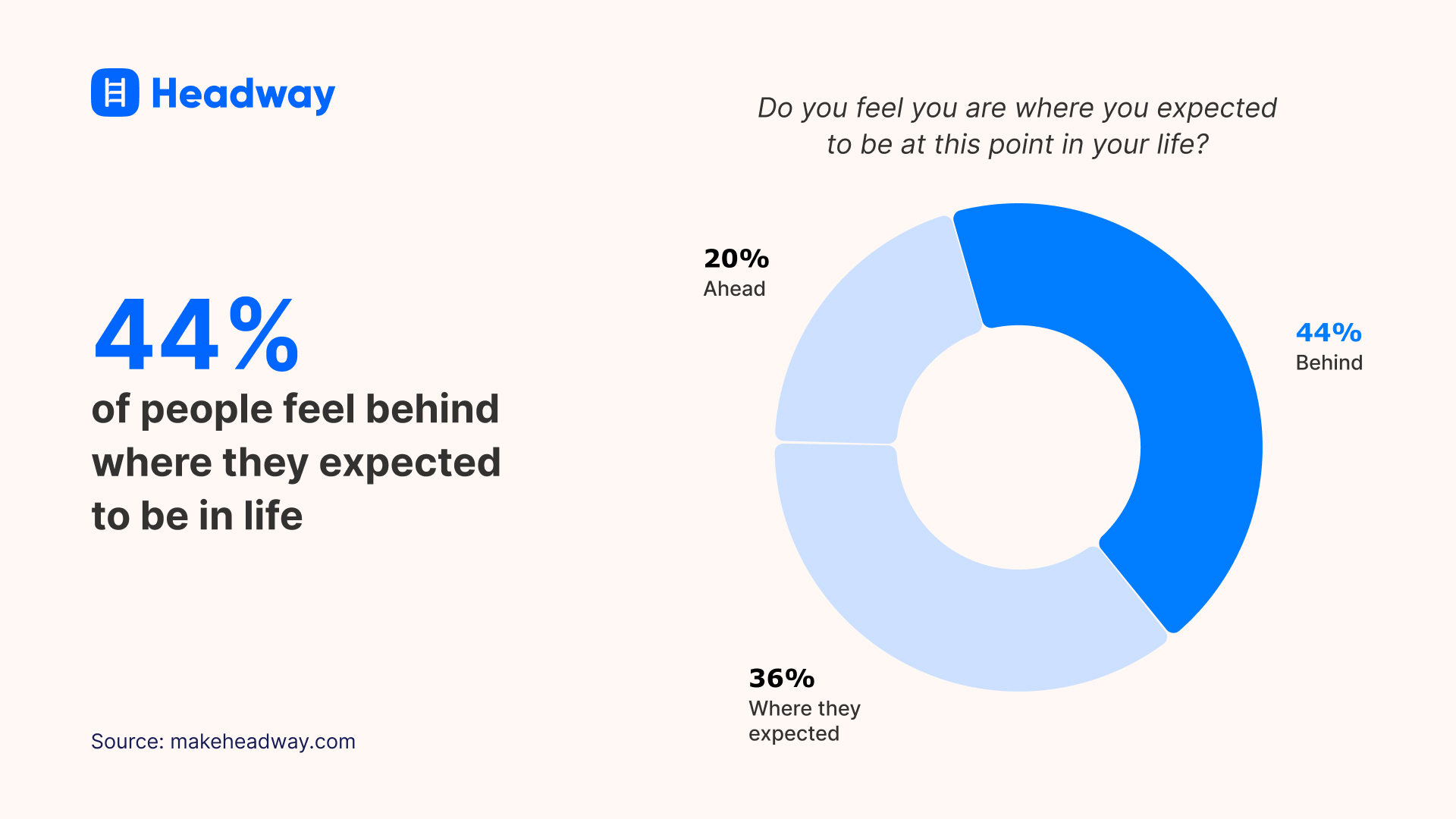
It all stems from our desire to keep up and our habit of judging ourselves in comparison to others – and the lingering fear that we’re falling behind.
While 20% feel they’re ahead in life, and 36% believe they’re on track, 44% admit their life trajectory isn’t following their early expectations.
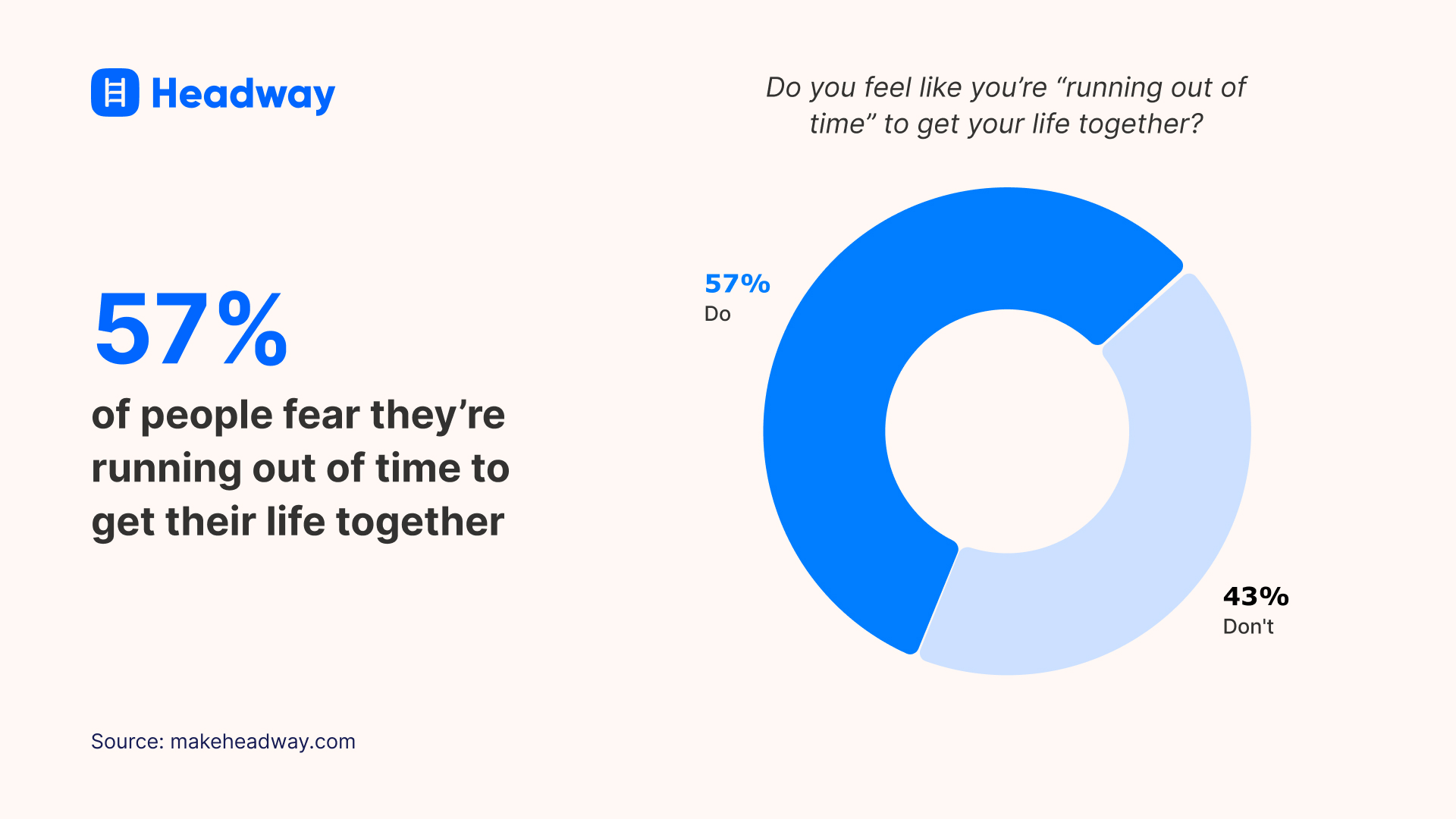
Life isn’t a race, and everyone grows at their own pace. Yet, 57% of people fear they’re running out of time to get their life on track.
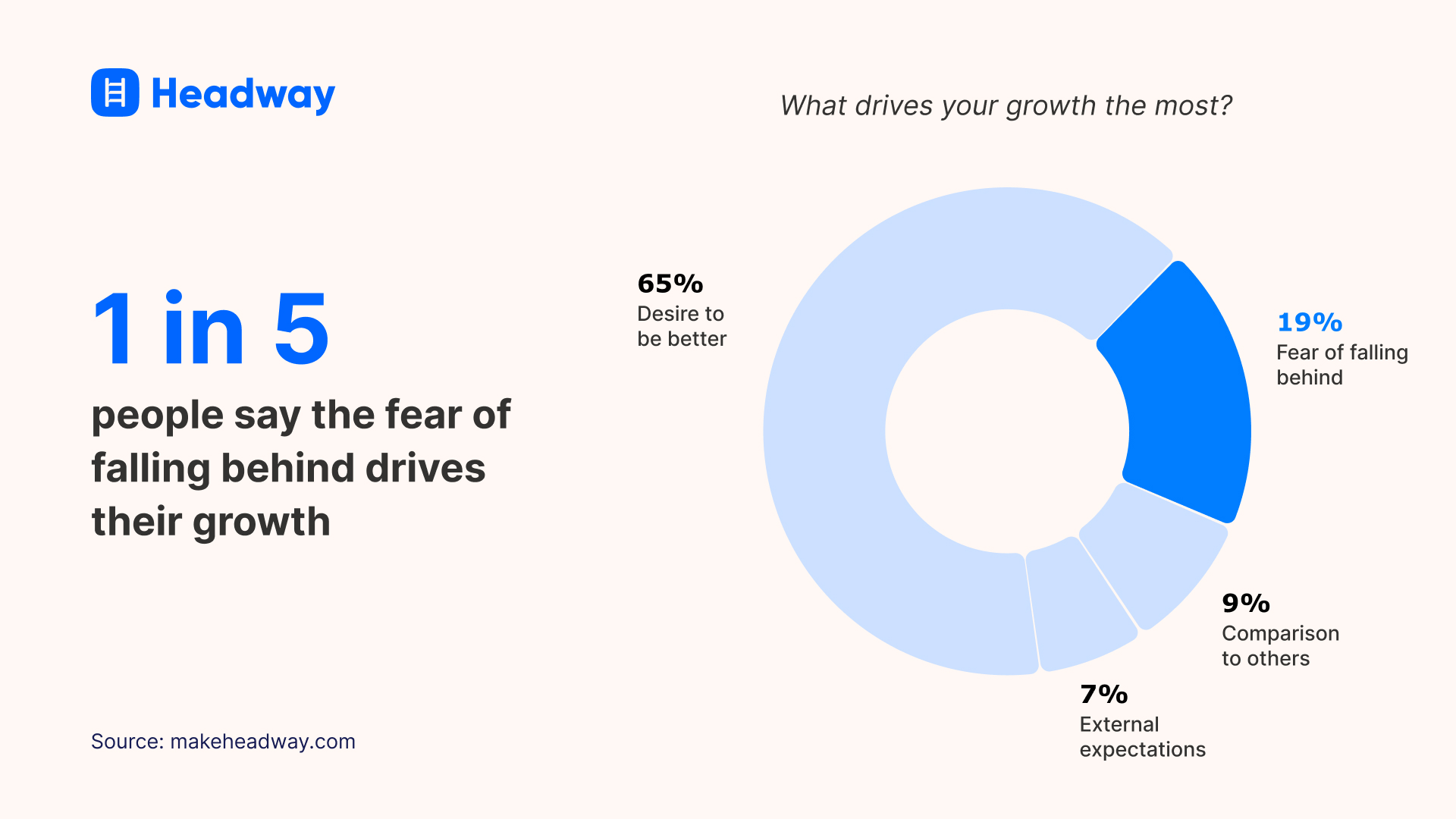
For some, the fear of not meeting our own (or others’) expectations isn’t mentally taxing, but incredibly motivating – 19% admit the fear of falling behind fuels their desire to grow, 7% admit external expectations push them, and 9% credit their drive and determination to comparing themselves to others.
There’s no harm in a little competition… so long as you can appreciate your progress and recognize your successes.
Barrier to growth: How uncertainty holds us back
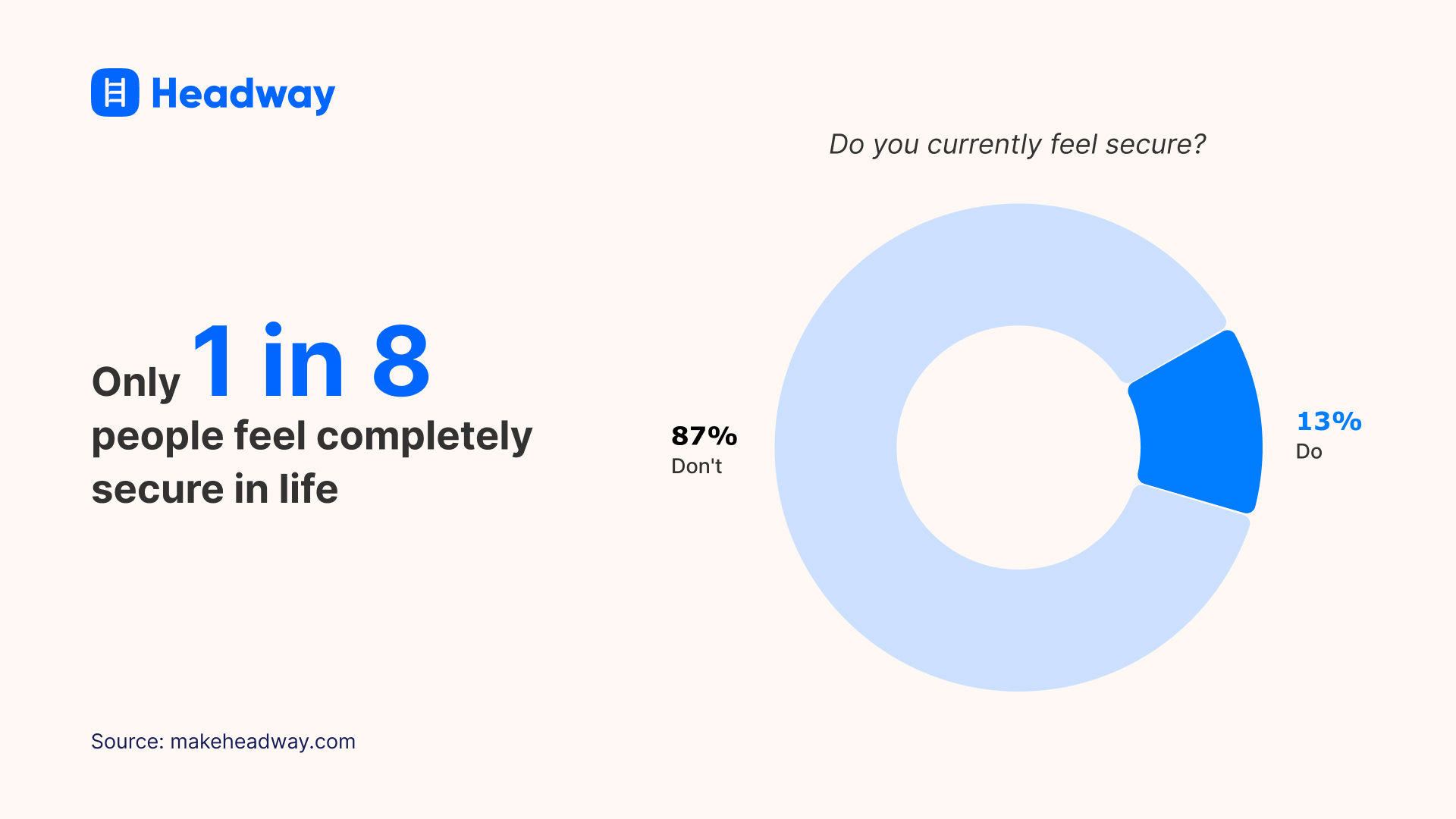
We’re living through some of the turbulent times in modern history – the economy is rough, everything’s expensive, and many people don’t know where they stand as AI enters the job market. It’s really no wonder that only 13% feel completely secure in life.
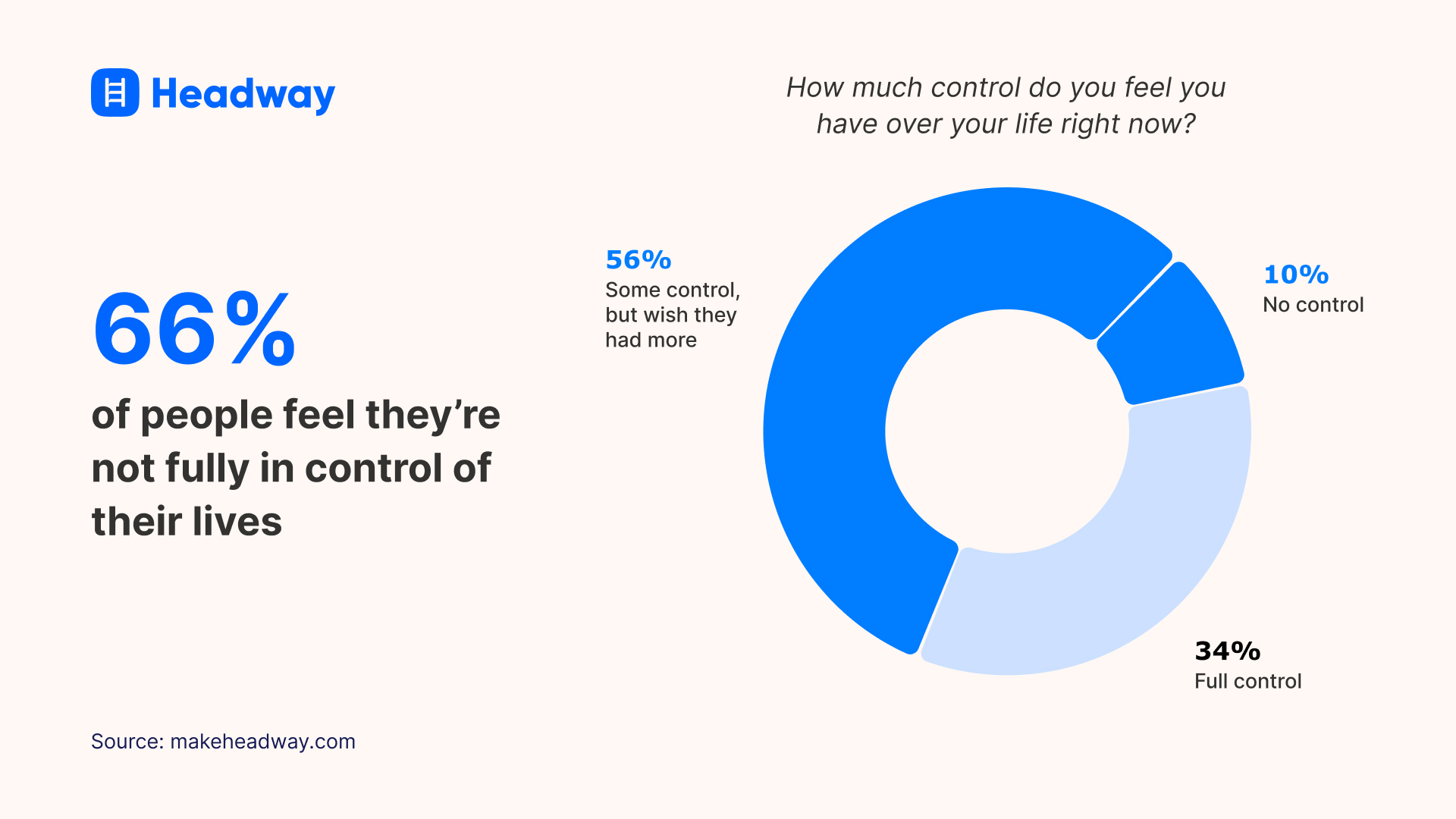
And it’s not like these are issues any person can fix. Unsurprisingly, only 34% feel completely in control of their own life, while 56% wish they had more.
Ambition Anxiety: The impacts of uncertainty on personal growth
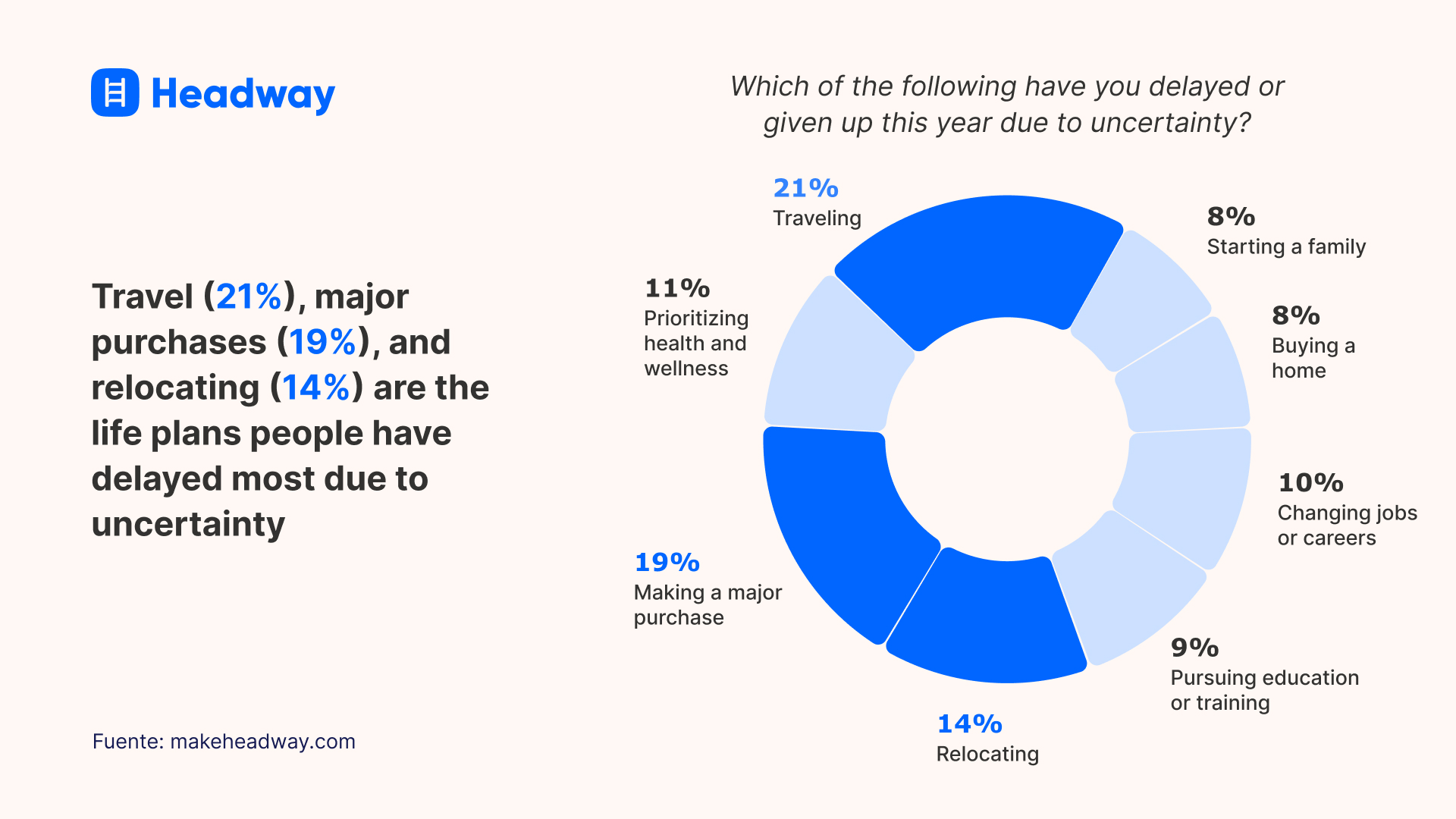
Uncertainty is calling the shots, with 21% having rethought their vacation plans and 19% delaying major purchases.
However, many aren’t just denying themselves treats, but opportunities to move forward in life – 10% have put off switching jobs, and 9% have shied away from pursuing training or education that would improve their career prospects.
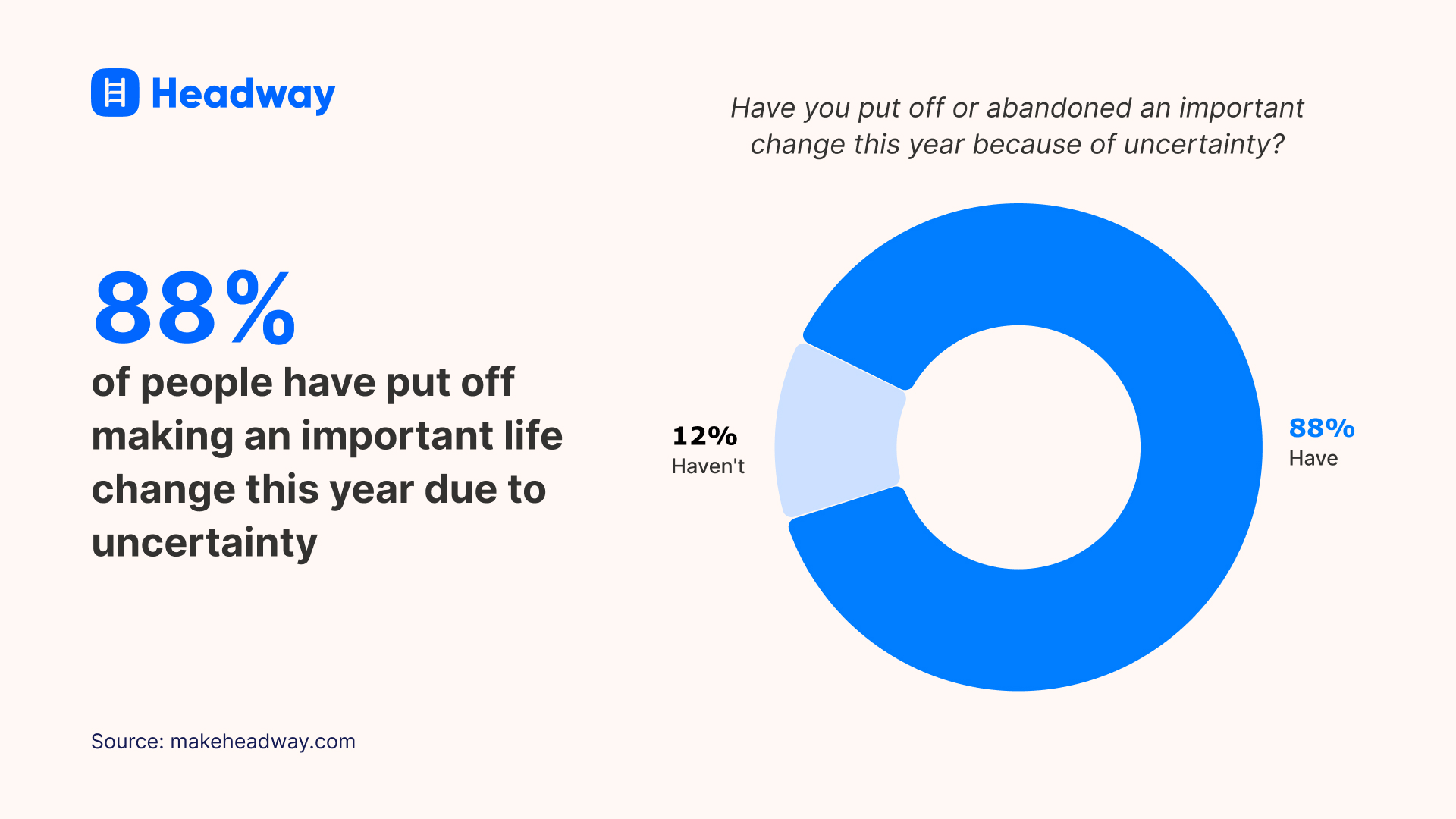
You won’t get far in life without stepping outside your comfort zone, but uncertainty is making even small changes feel like a huge risk – pushing 88% to put off making an important life change.
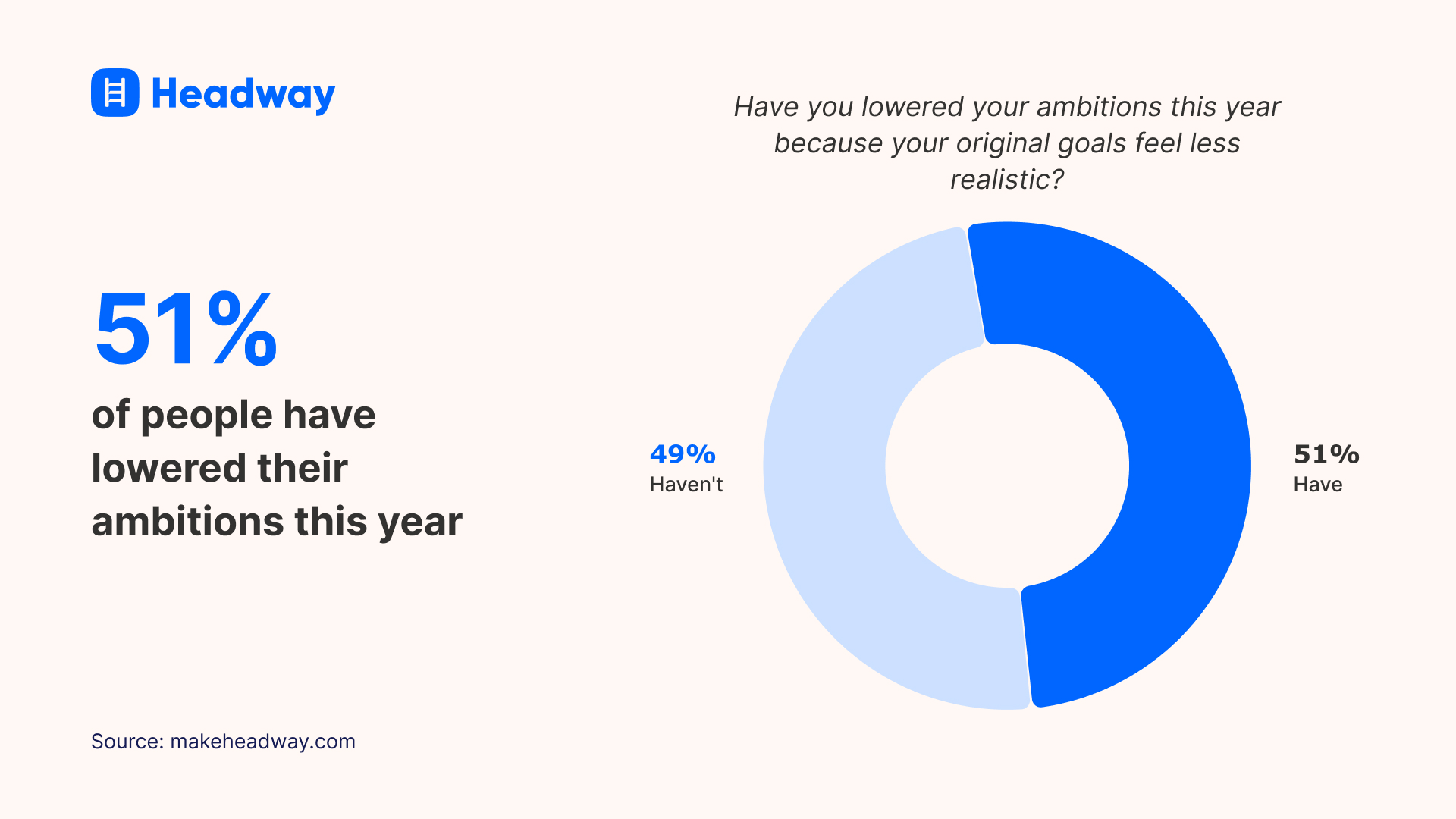
With their original goals feeling out of reach, 51% say they’ve lowered their ambitions in 2026, hitting pause on bigger life plans to pursue targets that feel realistic and within reach.
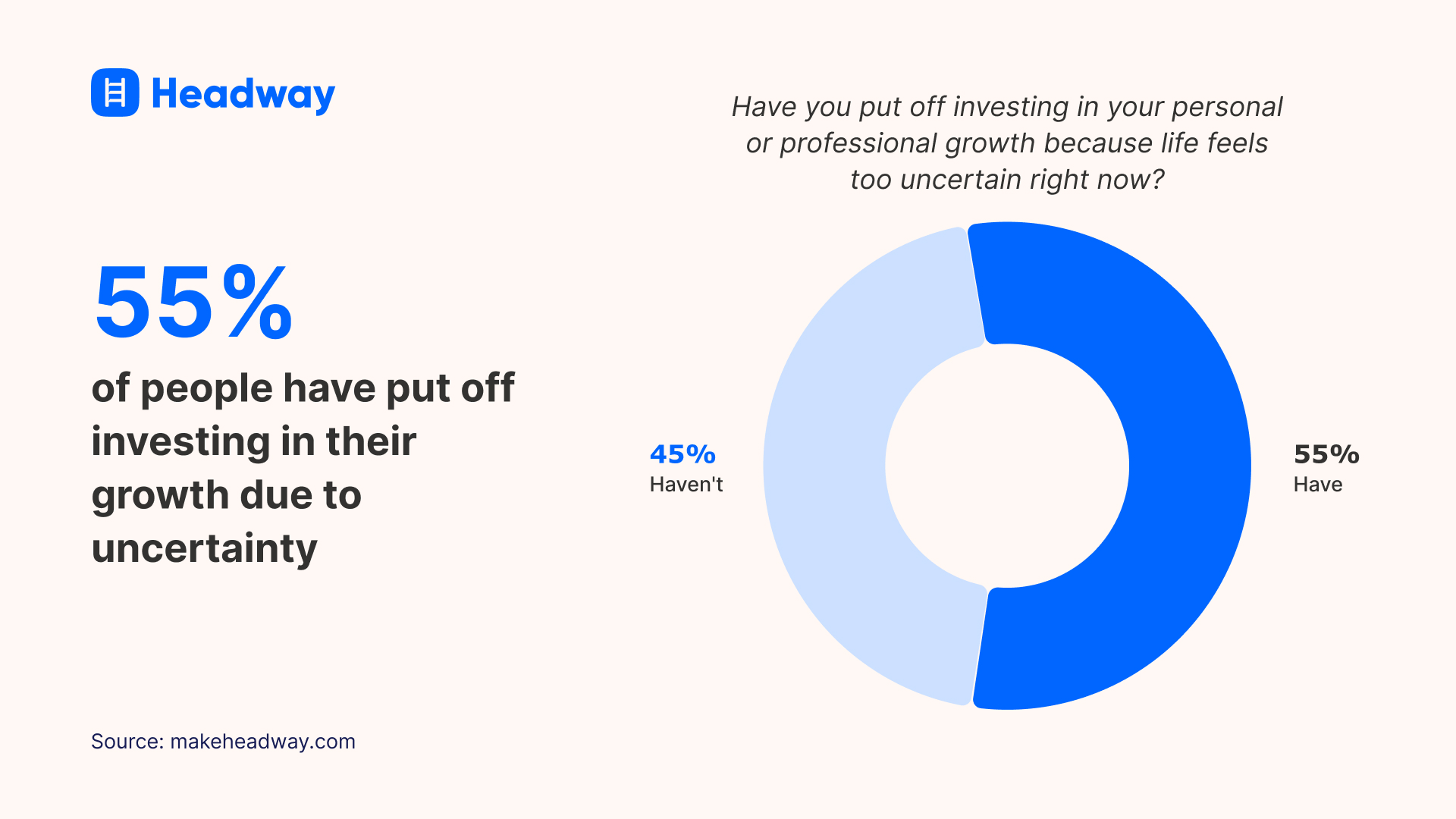
When life feels unstable, chasing growth often slips down the priority list. There’s simply no time when you’re busy worrying about the future, doubting your decisions, and feeling behind in life. As a result, 55% put off investing in their personal or professional growth (even though it’s one of the best ways to ease their struggles).
Priced out of progress: How financial pressure limits growth
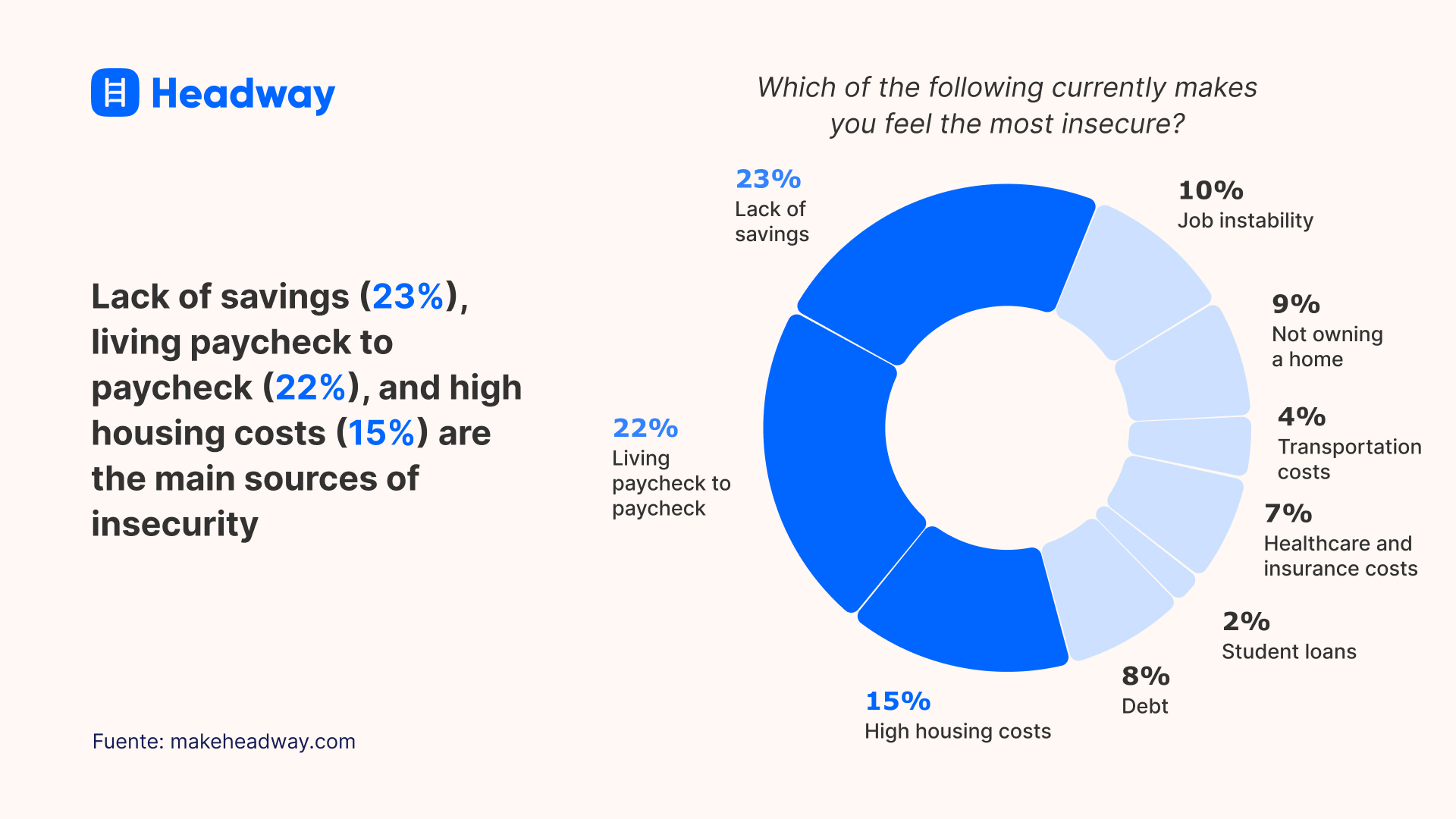
The main sources of insecurity? A lack of savings (23%), living paycheck to paycheck (22%), and high housing costs (15%). After covering the bills, there’s simply no room left in the budget to spend on growth.
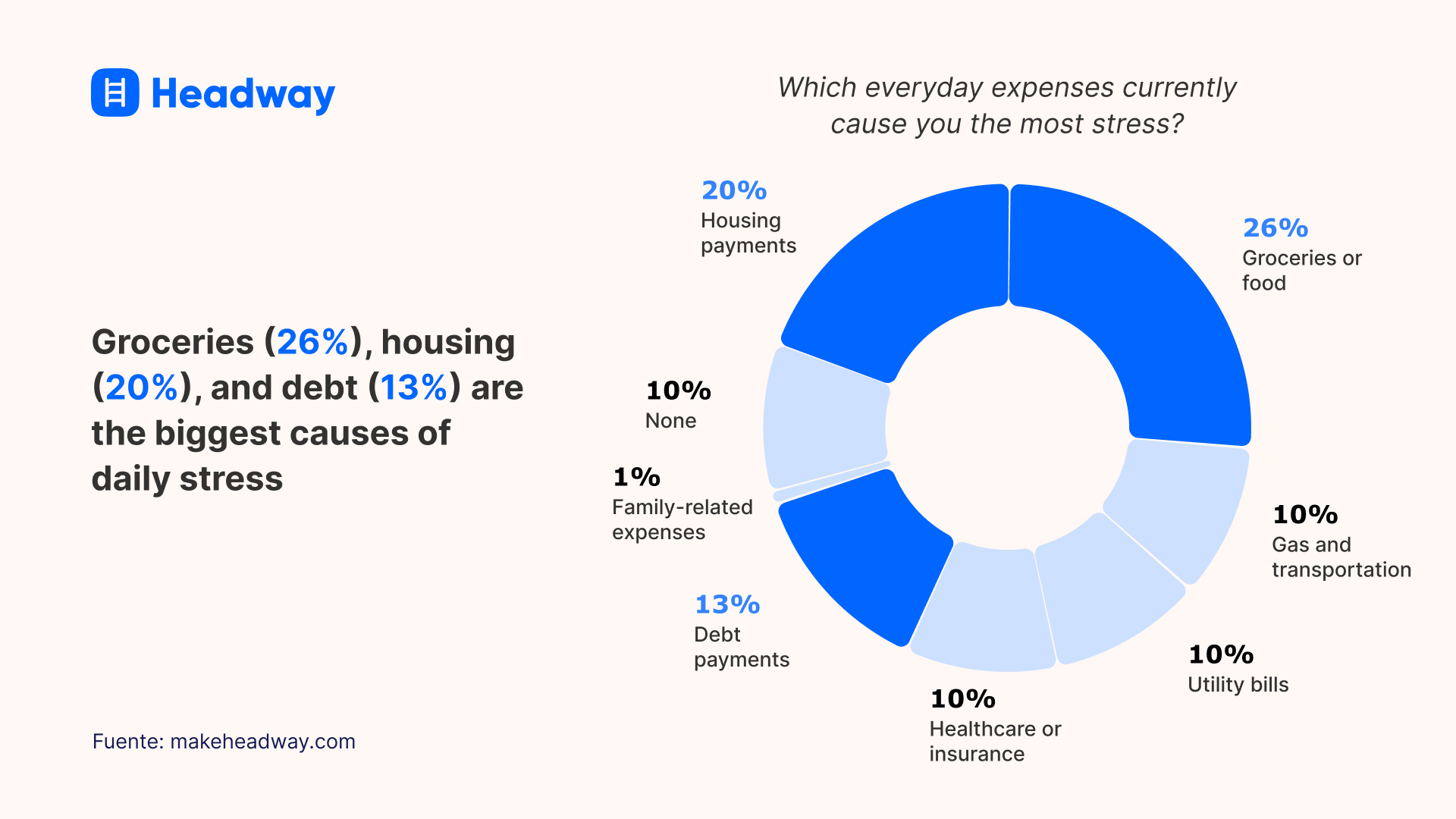
Money worries are a constant concern for many, with covering the cost of groceries (26%), housing (20%), debt (13%), healthcare (10%), utilities (10%), and gas (10%) causing daily stress.
It isn’t just an issue of not being able to afford personal development, but a struggle to maintain the focus needed. How do you sit for hours and work through a training course if bills and budgets are taking all your attention?
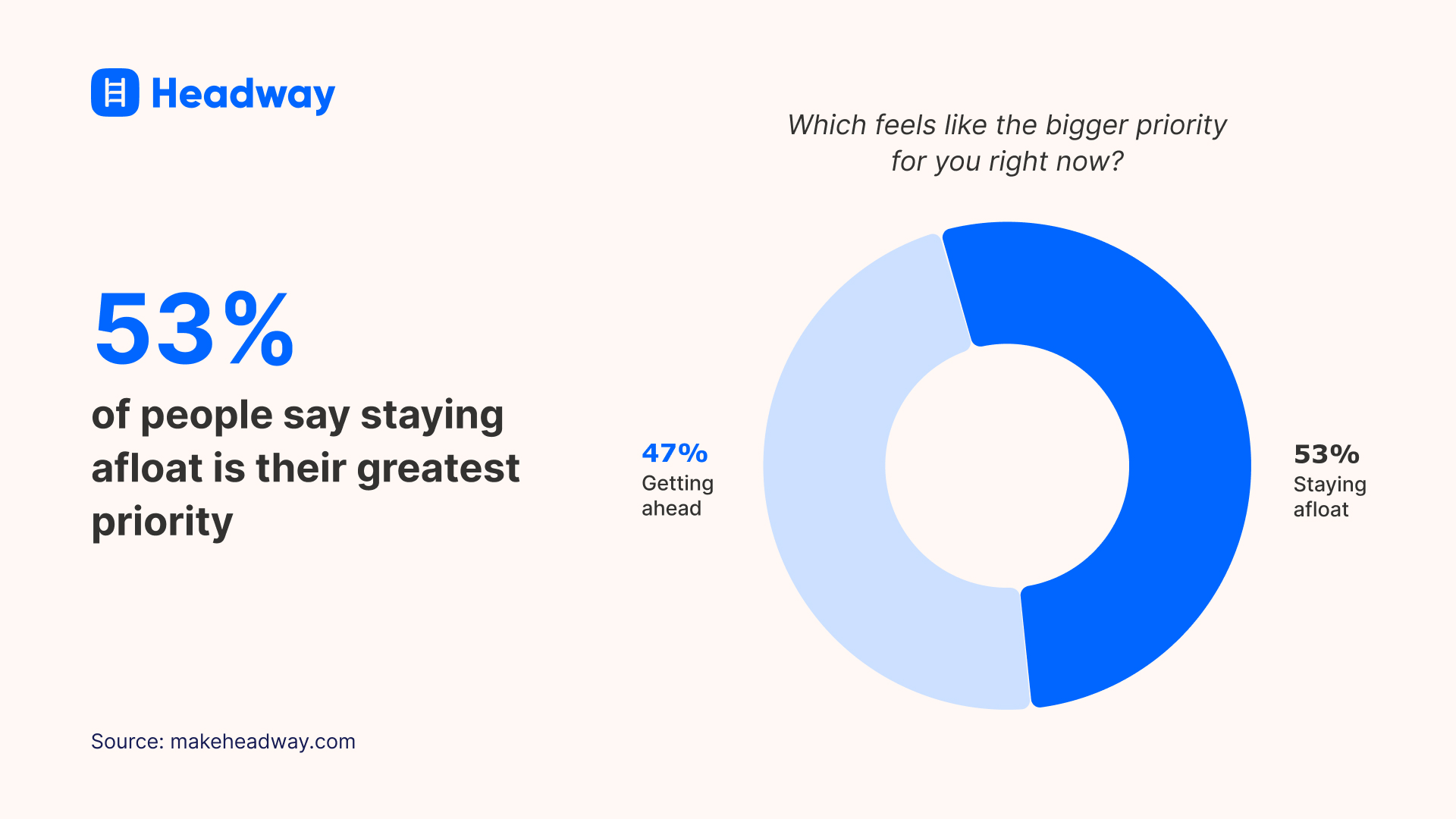
Rather than getting ahead, 53% are prioritizing staying afloat in 2026.
Yet, this stems from the misconception that growth has to be costly and demanding. In reality, even small, consistent bursts of microlearning are an effective way of making real progress – without breaking the bank or piling pressure on yourself.
Deep breaths and deep focus: Easing life’s anxiety
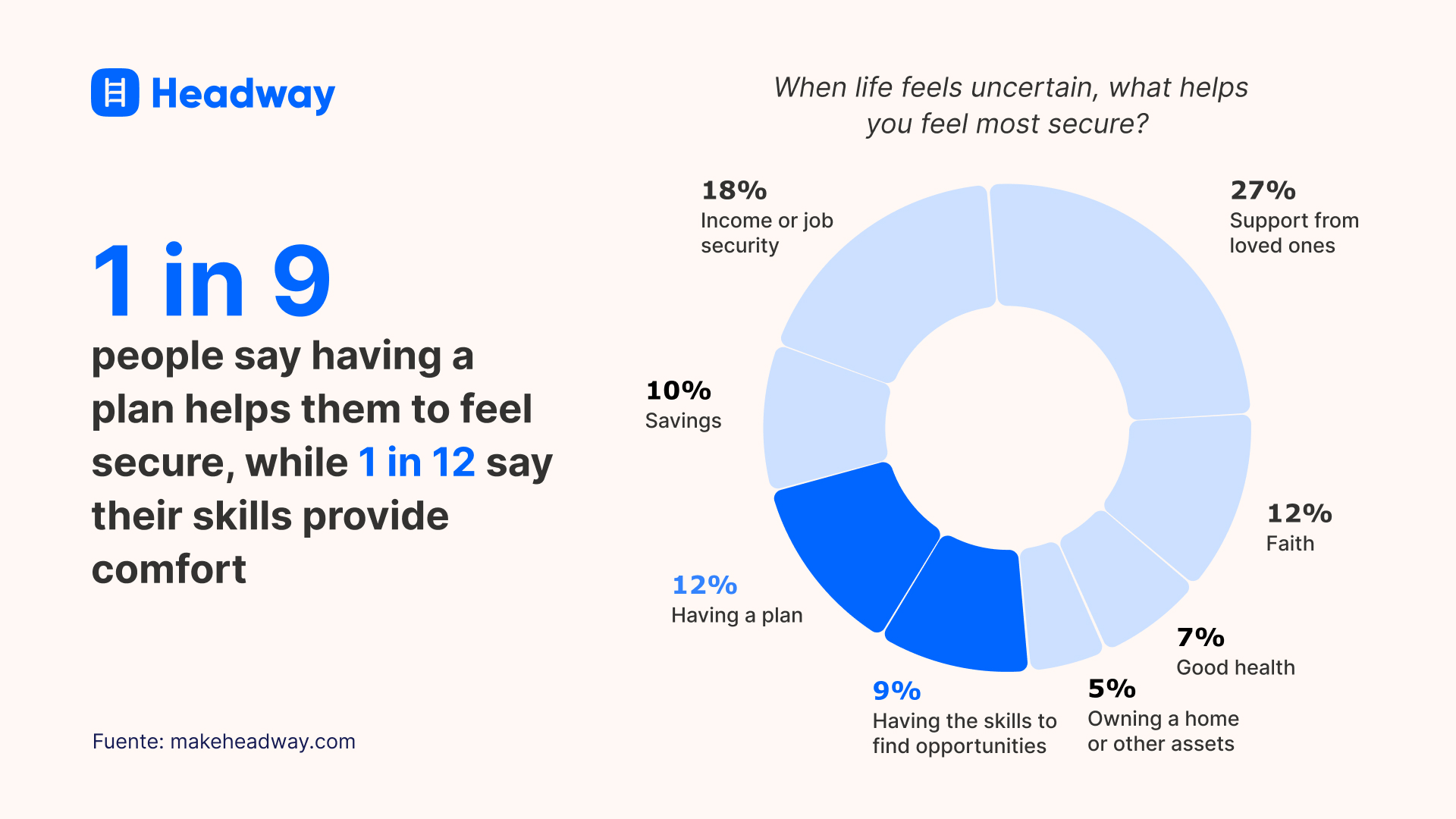
Some 18% say a higher income or more job security would make them feel more secure, and 10% wish they had more savings. But change doesn’t come from waiting for circumstances to improve.
When life feels uncertain and your control is limited, focus on what you can influence. For 12%, that means setting a clear plan and working towards it, while 9% focus on building skills that open doors and provide opportunities.
Methodology: To create this study, researchers from Headway surveyed 2,000 professionals of all genders, aged 18 and over.
About Headway
With over 50 million users in 170+ countries, the Headway app is the world's most downloaded book summary app. It offers 15-minute audio and text summaries of nonfiction bestsellers, as well as daily microlearning sessions and gamified challenges. The app is designed to help people achieve their self-development goals. Headway received the Editor's Choice award from the US App Store and constantly hits the App Store home screen as App of the Day.