Self-growth
 Apps & Digital Tools
 Business & Career
 Success
 Growth Tools
 Psychology
 Communication
 Relationships

You walk into a room and completely forget why you're there, or you find yourself reaching for your phone to check nothing in particular every 30 seconds. This mental muck is usually a sign that you need a brain detox.
These days, our heads get cluttered with everything from digital noise to actual biological metabolic waste. And it's not just a lack of focus; it's your nervous system's way of saying it's overwhelmed. To get your edge back, you have to clear out the junk and reset your cognitive function.
📘 Ready to clear the fog? Use Headway to swap mindless scrolling for useful insights in just 15 minutes.
Quick answer: What is a brain detox?
A brain detox is the process of clearing waste products from the brain while reducing cognitive overload from digital sources. Physically, it occurs during deep sleep through the glymphatic system, which flushes out toxins like beta-amyloid. Mentally, it involves a dopamine reset, swapping passive brain rot and scrolling for intentional, quality learning.
By prioritizing quality sleep, hydration, and cognitive nutrition, you can detox your brain to improve memory, sharpen your focus, and protect your long-term wellbeing.
The biological side of a brain detox
While detox is often used as a marketing buzzword, neuroscience shows that your brain has a very real, built-in cleaning system. This inner, night-shift clean-up crew is known as the glymphatic system. While you're in a deep sleep, your brain cells actually shrink slightly. This process allows cerebrospinal fluid, or CSF, to flow more easily through the spaces between neurons, washing away metabolic waste that builds up during the day.
According to the National Institutes of Health (NIH), this waste-removal process is vital because it flushes out beta-amyloid, a protein associated with Alzheimer's disease and other neurodegenerative diseases. Without enough sleep, this buildup remains, leading to brain fog and increased risk of cognitive decline.
Here are the biological benefits of a brain reset:
Improved memory: Effective detoxification helps consolidate new information.
Neuroprotection: Consistent waste product removal lowers the risk of neurodegeneration.
Mental clarity: Reducing toxin buildup restores your natural cognitive function.
Healthier brain tissue: Proper CSF flow keeps blood vessels and tissues resilient against brain injury.
Why you need a digital brain detox
We usually talk about detoxification in terms of green juice or fasting, but the most toxic thing in your daily life might actually be your phone. Every time you fall into a hole of mindless scrolling, you aren't just relaxing. Instead, you're feeding your brain a constant stream of mental junk food that only adds to your stressors.
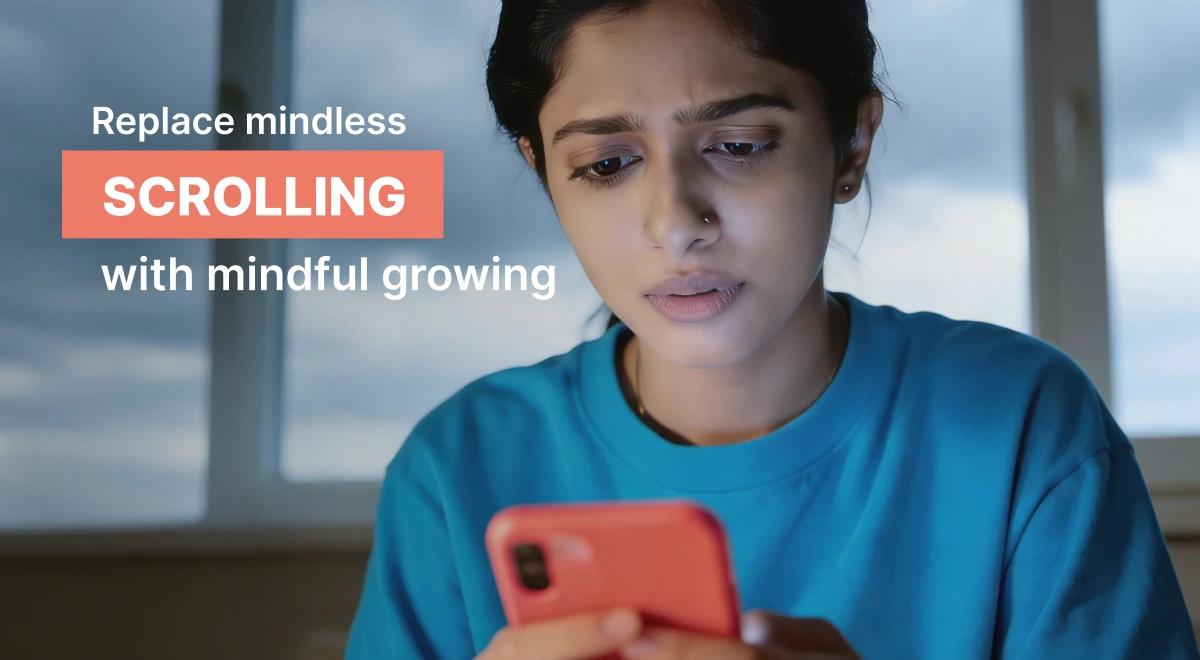
Clear the mental fog — start your plan for a more mindful routine.
That's what many people now call brain rot. It keeps your brain in a state of high-alert, never allowing your nervous system to power down and recover. This constant information fatigue is a big part of why so many of us struggle with mental health and chronic brain fog.
When you spend hours jumping from one 15-second video to another, you're training your neurons to have a shorter attention span. Eventually, your cognitive function crashes. This digital buildup of useless data is just as draining as physical metabolic waste.
The fix is to move away from passive consumption and toward active learning. A real brain detox means being selective about the content you consume, just as you are about the food you eat.
📘 Think of Headway as the green juice for your mind. Swap one session of mindless scrolling for a summary that actually feeds your brain.



How to do a brain detox: Five actionable steps
If you really want to detox your brain, you need a plan that hits both the physical and the mental side of things. You don't need expensive interventions or fancy health care plans. You just need to change a few daily habits to give your brain health the reset it deserves.
Prioritize quality sleep: This is the most important rule. Your glymphatic system only works during deep sleep. Aim for 7–9 hours of better sleep so your brain has time to flush out beta-amyloid. Avoid screens for an hour before bed to prevent poor sleep quality and ensure you get enough deep sleep.
Hydration and nutrition: Your brain is mostly water, so hydration is important for keeping your cerebrospinal fluid moving. Load up on antioxidants found in leafy greens and berries. These help fight the oxidative stress that leads to neurodegeneration and cognitive decline.
Dopamine fasting: You don't have to go cold turkey, but set aside small windows where you don't touch your phone. Even 30 minutes of silence can lower your stress levels and improve your focus.
Deep breathing and mindfulness: Taking a few minutes for deep breathing helps oxygenate your blood vessels and calms your mind. It's a simple way to clear the mental muck and reset your well-being.
Cognitive nutrition: Stop the mindless scrolling. Instead of low-quality content, give your brain something worth keeping. This means choosing microlearning over random videos. That'll give your brain the hit of newness it wants without the heavy brain fog afterward.
Replacing the fog with microlearning
The truth is that trying to quit your phone usually doesn't work. Your brain naturally craves new information. The problem isn't that you want to learn. It's that the "junk food" content on social media is just too easy to grab.
If you want to detox your brain for the long haul, you have to find a replacement strategy that actually tastes good to your neurons. Instead of falling back into a brain-rot spiral of random videos, take that same 15-minute window and fill it with something that actually improves your brain health.
It's the perfect middle ground. You still get the hit of novelty that your brain craves, but you aren't piling on more stressors or mental clutter. Think of it as a form of wellness for your nervous system. When you engage in active learning, your brain function shifts. You're no longer just a passive observer; you're building new connections.
This shift prevents the feeling of mental stagnation that often leads to cognitive decline. By choosing quality content, you're supporting your cognitive function rather than letting it wither under the weight of mindless scrolling. It's about being intentional with your internet use so that your well-being stays front and center.
Start your brain detox with Headway today!
If your brain's biological detoxification occurs during deep sleep, let Headway handle the "day shift." Think of it as the mental equivalent of taking your supplements or eating your leafy greens. It's the clean fuel that your mind needs to stay sharp and avoid that heavy, afternoon brain fog.
Headway takes the world's most important ideas and breaks them down into actionable steps. Instead of a two-hour lecture that adds to your sleep deprivation, you get a 15-minute summary that actually helps you improve your memory.
By making Headway a part of your daily routine, you're actively fighting against neurodegeneration and keeping your neurons active. You're giving your brain a break from the stress of information overload and focusing on what truly matters for your well-being. Start your reset today and see how much clearer the world looks when you aren't drowning in digital sludge.
📘 Download Headway and give your brain the detox it's been asking for!
FAQs about a brain detox
What is a brain detox?
A brain detox is a way to clear out mental and physical clutter. Physically, your glymphatic system flushes out metabolic waste like beta-amyloid while you get deep sleep. Mentally, it's a dopamine reset where you stop mindless scrolling and switch to high-quality information. This process restores your focus and helps your nervous system recover from digital stress.
What is the 72-hour brain reset?
The 72-hour brain reset is a three-day challenge to break your digital habits. For 72 hours, you cut out social media, limit screen time, and prioritize quality sleep. This short break allows your dopamine receptors to recover from the constant noise of the algorithm. It's a powerful way to cut through brain fog and find a real sense of mental clarity.
How do I purify my brain?
Start with sleep. Getting enough rest activates your glymphatic system. Then, swap low-quality content on your phone for microlearning. Using an app like Headway helps you replace brain rot with vital knowledge. This shift clears the mental muck and keeps your brain sharp.
What are the signs that my brain needs a reset?
You might notice constant brain fog, trouble focusing on one task, or a feeling of being mentally drained. If you reflexively reach for your phone whenever you're bored, your dopamine system is likely overwhelmed. Other signs include poor sleep and irritability. These signals mean your nervous system needs a reset to recover its natural focus and clarity.