russia has launched a full-scale war in Ukraine. Donate to support Ukraine and protect the world’s peace.

11 Best Attention Books

Check out our curated list of the best books on attention. These will help you learn where your focus goes and how to return it to where you really want it. Through developing concentration, you gradually build calmness and the ability to respond thoughtfully rather than react impulsively. This approach is the key to a mature psyche.

Your life is full of distractions, isn't it? When you try to read a book, your smartphone and social media constantly pull you away, forcing you to reread the same paragraph over and over. Studying becomes almost unbearable because you can't focus on the topic, and your work efficiency drops as new emails keep popping up on your screen.

Worst of all, poor attention damages our relationships with family and friends. It creates the impression of indifference when you forget what a loved one is telling you.

Books on attention for a distracted mind

Our list of well-known books on attention includes the following:

  • In 'Stolen Focus: Why You Can't Pay Attention,' Johann Hari explains why our brains and psyches become exhausted and lose the ability to focus on something for more than a few seconds, and how to fix it. It also tells you how modern technologies, particularly gadgets with instant messengers and social networks, capture our attention and earn huge profits from it.

  • 'Focus' by Daniel Goleman presents the idea that attention isn't just the ability to concentrate. It's the basis of thinking, emotional stability, and empathy. The world is overflowing with information, and the ability to manage attention determines whether we can be productive, creative, and happy. This book is about regaining control of your mind in a world that is constantly trying to steal it.

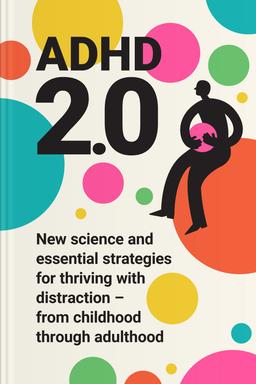
  • 'ADHD 2.0' by Edward M. Hallowell, MD, and John J. Ratey, MD, explains that ADHD isn't just an attention problem — it's a different way of thinking with both challenges and great advantages: creativity, energy, intuition, and the ability to think outside the box. Dr. Ratey is one of the world's leading experts on the impacts of physical activity on the brain, including ADHD, autism, aging, and cognitive function.

The authors show how people with ADHD can thrive if they understand how their brain works and build their lives to support their strengths. It's worth reading because it helps you know yourself without judgment and learn to manage attention, emotions, and the environment. It explains scientifically, yet very humanly, that ADHD is not a verdict but a way of seeing the world differently.

Books about attention in the age of notifications

Books about attention can be a real revelation, not only for those who have trouble concentrating, but also for anyone living in the modern world of constant distractions.

Today, one of the biggest distractions we all have is our smartphones.

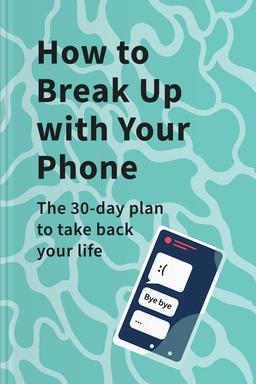
'How to Break Up with Your Phone' by Catherine Price is a practical guide to freeing your mind and time from smartphone addiction. As an author, journalist, and science popularizer, she explains how phones affect our attention, memory, sleep, emotions, and relationships. Price offers a step-by-step 30-day plan to change these relationships to healthier ones.

When you refresh your feed, you allow advertising, other people's thoughts, and impressions to capture your attention. This cycle has a toxic effect on your flow of thoughts. In addition to the plans and ideas accumulated over the previous day, information from your smartphone also floods in.

You would never let a hundred people into your house who interfere and constantly demand something. So why let them creep into your brain every day?

Study the psychology of focus and read books about attention to understand how our brain works and to be productive in both your professional and personal life.

The Shallows

by Nicholas Carr

What is The Shallows about?

This thought-provoking exploration examines the profound impact of the internet on our cognitive abilities and focus. It argues that our constant online distractions are reshaping the way we think, read, and remember. By blending neuroscience with cultural criticism, it highlights the dangers of digital media, suggesting that our reliance on technology may be diminishing our capacity for deep thinking and meaningful engagement.

Who should read The Shallows

Tech enthusiasts questioning digital impact on cognition.
Students studying psychology and media influence.
Parents concerned about children's screen time effects.

ADHD 2.0

by Edward M. Hallowell, MD, John J. Ratey, MD

What is ADHD 2.0 about?

This insightful guide explores the latest scientific research on Attention Deficit Hyperactivity Disorder (ADHD) and offers practical strategies for individuals of all ages. It emphasizes understanding ADHD as a unique way of thinking and provides tools for managing distractions, improving focus, and harnessing the strengths associated with this condition. With a compassionate approach, it aims to empower readers to thrive in various aspects of their lives.

Who should read ADHD 2.0

Parents of children with ADHD
Adults diagnosed with ADHD
Educators seeking better strategies for ADHD students

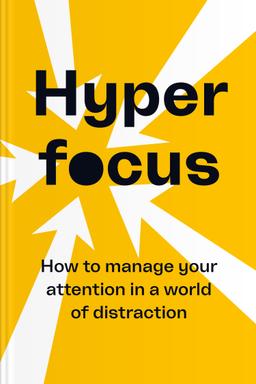
Hyperfocus

by Chris Bailey

What is Hyperfocus about?

This insightful guide explores the concept of hyperfocus, a state of intense concentration that can enhance productivity and creativity. It offers practical techniques to master attention management amidst the constant distractions of modern life. Through relatable anecdotes and actionable strategies, the book empowers readers to harness their focus, improve their work habits, and ultimately achieve their goals by transforming how they engage with their tasks and environment.

Who should read Hyperfocus

Busy professionals seeking greater productivity
Students aiming to improve concentration skills
Parents managing work-life balance amidst distractions

The Biggest Bluff

by Maria Konnikova

What is The Biggest Bluff about?

This insightful exploration delves into the world of poker, where the author, through her journey from novice to skilled player, uncovers deep lessons about risk, decision-making, and human psychology. Combining personal anecdotes with psychological research, she highlights the importance of mindfulness, self-awareness, and the art of reading others—all while revealing how these skills translate to everyday life and creating a mindful approach to challenges.

Who should read The Biggest Bluff

Aspiring poker players seeking strategic insights.
Readers interested in psychology and decision-making.
Individuals looking to improve self-awareness and mindfulness.

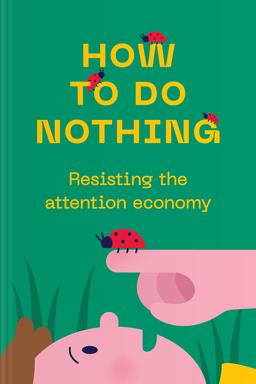
How to Do Nothing

by Jenny Odell

What is How to Do Nothing about?

This thought-provoking book challenges the relentless demands of the attention economy, urging readers to reconnect with their surroundings and prioritize meaningful experiences over constant productivity. It combines personal narratives, cultural critiques, and philosophical insights, encouraging a retreat from digital distractions. Through exploring the importance of stillness and presence, the author advocates for a mindful existence that values community, nature, and creative engagement.

Who should read How to Do Nothing

Mindfulness enthusiasts seeking to disconnect from technology.
Anyone feeling overwhelmed by digital distractions today.
Readers curious about the impact of social media on well-being.

Your Brain at Work

by David Rock

What is Your Brain at Work about?

This insightful guide explores the neuroscience of productivity, offering practical strategies to enhance focus and minimize distractions in the workplace. Readers will discover how to manage their mental resources effectively, fostering an environment that promotes clarity and efficiency. By understanding the cognitive processes behind decision-making, the book equips professionals with tools to work smarter, achieve goals, and ultimately improve their performance throughout the day.

Who should read Your Brain at Work

Professionals seeking productivity tips and strategies.
Students needing to enhance focus and learning abilities.
Managers wanting to improve team performance and engagement.

Focus

by Daniel Goleman, PhD

What is Focus about?

This book explores the critical role of focus in achieving excellence, revealing how our ability to concentrate shapes performance and success. It delves into various types of focus, including inner awareness, social intelligence, and the ability to maintain attention in a distracting world. Through insights from neuroscience and psychology, it offers practical strategies to enhance focus and foster resilience, ultimately guiding readers toward peak performance in their personal and professional lives.

Who should read Focus

Professionals seeking to enhance their productivity.
Students aiming to improve their concentration skills.
Leaders wanting to develop better decision-making abilities.

How to Break Up with Your Phone

by Catherine Price

What is How to Break Up with Your Phone about?

This guide offers a structured 30-day plan to help individuals reclaim their lives from excessive phone use. With practical exercises, insights into the psychology of smartphone addiction, and strategies for developing healthier habits, it empowers readers to reconnect with the real world. By addressing the emotional and social impacts of technology overuse, the book encourages a balanced approach to digital engagement, promoting mindfulness and personal fulfillment.

Who should read How to Break Up with Your Phone

Digital detox enthusiasts seeking a healthier lifestyle.
Individuals feeling overwhelmed by smartphone dependency.
Anyone interested in improving focus and productivity.

Irresistible

by Adam Alter

What is Irresistible about?

This insightful exploration examines how modern technology is designed to capture our attention and keep us engaged, often leading to compulsive behaviors. Delving into psychology and business, it highlights the techniques used by companies to create addictive experiences in digital platforms. Alter's analysis offers a critical perspective on the implications of these strategies for our well-being and the challenges of managing our tech consumption in an increasingly connected world.

Who should read Irresistible

Tech enthusiasts seeking insight into addictive design.
Business professionals interested in consumer engagement strategies.
Psychology students studying technology's effects on behavior.

Indistractable

by Nir Eyal

What is Indistractable about?

This book explores the science behind distraction and provides practical strategies for mastering focus in an increasingly chaotic world. It emphasizes the importance of understanding internal triggers and offers actionable techniques to reclaim control over attention. By learning to become indistractable, readers can align their actions with their values, improve productivity, and lead a more fulfilling life.

Who should read Indistractable

Busy professionals seeking better focus and productivity.
Students looking to improve their study habits and concentration.
Anyone struggling with distractions in their daily life.

Stolen Focus

by Johann Hari

What is Stolen Focus about?

This thought-provoking work explores the crisis of attention in our distracted world, examining the various factors that contribute to our inability to focus. Through personal narratives and extensive research, it reveals how societal changes, technology, and mental health are intertwined. The author offers insights and practical solutions to regain deep thinking and restore our ability to concentrate in an age of relentless distractions.

Who should read Stolen Focus

Students struggling to concentrate on their studies.
Professionals seeking to enhance their productivity and focus.
Parents wanting to help children manage their distractions.

Frequently asked questions about books on attention

What are the four types of attention?

Psychology recognizes four types of attention. Sustained attention allows you to focus on one thing for a long time. Selective attention helps you distinguish what's important from many stimuli. Divided attention lets you perform several tasks simultaneously. Switching (alternative) attention enables you to switch between tasks quickly. The ability to manage attention determines productivity and efficiency in learning and life.

What are the best books on improving focus?

The best books on focus often come from the fields of psychology and self-development, such as Daniel Goleman's 'Emotional Intelligence,' Johann Hari's 'Stolen Focus: Why You Can't Pay Attention — and How to Think Deeply Again,' and Cal Newport's 'Deep Work.'

Which books cover the psychology of attention?

Useful books covering the psychology of attention are 'Cognitive Psychology' by E. Bruce Goldstein, which explains the basics of cognitive processes; 'Thinking, Fast and Slow,' by Daniel Kahneman, which explores the two systems of thinking and the role of attention in decision-making; and 'Sensation & Perception,' by Farmer & Maitlin on how our brains perceive and process sensory information.

What's an attention book?

An attention book focuses on understanding, developing, and training attention as 'Focus' by Daniel Goleman.

Such books explain how concentration works, why we get distracted, and how to manage focus. They can combine scientific research, psychological theories, and practical exercises to help the reader focus better on studying or working, manage distractions and information noise, and improve memory and decision-making.

What are five books everyone should read?

Five books worth reading for self-development include: 

  • 'Atomic Habits' by James Clear

  • 'The 7 Habits of Highly Effective People' by Stephen R. Covey

  • 'Thinking, Fast and Slow' by Daniel Kahneman

  • 'Rich Dad Poor Dad' by Robert Kiyosaki and Sharon Lechter

  •  'The Miracle Morning: How to Not Sleep Through Life' by Hal Elrod

What's the most popular book about ADHD?

Popular books about ADHD include 'How to ADHD: An Insider's Guide to Working with Your Brain (Not Against It)' by actress and writer Jessica McCabe and 'ADHD 2.0'

Edward M. Hallowell, MD, and John J. Ratey, MD, offer practical advice and strategies for people with the disorder. 

What's the most gut-wrenching book?

When it comes to gut-wrenching books — those that have a strong emotional impact and often leave a feeling of emotional turmoil — one of the most famous is 'The Kite Runner' by Khaled Hosseini. It's about friendship, betrayal, redemption, and forgiveness, leaving a deep emotional mark.