Crece cada día con un plan personalizado. Empieza aquí

8 Best Books On Stoicism

Our list of the best books on Stoicism offers deep wisdom rooted in ancient philosophy that's still relevant today. If you are looking for advice on managing life's challenges or developing inner strength, our books on Stoicism provide practical wisdom for everyday living. From Marcus Aurelius's profound 'Meditations' to Ryan Holiday's accessible 'The Obstacle Is the Way,' each book delivers actionable strategies for cultivating inner peace and resilience. 

Our curated list contains celebrated works such as Ryan Holiday's and Stephen Hanselman's 'The Daily Stoic' and William B. Irvine's 'A Guide to the Good Life,' perfect for newcomers and experienced practitioners of Stoic philosophy alike.

Stoicism philosophy books as a source of wisdom

Stoicism philosophy books help you understand and apply ancient wisdom to the present. Stoicism offers practical principles for living in today's complex world.

'Meditations' by Marcus Aurelius stands as the cornerstone text. These notes, written primarily by and for Aurelius himself, have become one of the best books for self-development. 

'A Guide to the Good Life' by William B. Irvine shows how Stoic philosophy can help you have a happier and more peaceful life in today's world. Irvine offers various Stoic techniques, such as moderating desire, meditating on death, and visualizing loss, to worry less about what we might lose and appreciate more of what we already have.

'Lives of the Stoics' by Ryan Holiday and Stephen Hanselman presents the lives of great Stoic philosophers, offering one thought for each day of the year. Holiday and Hanselman analyzed these ideas and supplemented them with stories and exercises. Stoicism teaches that difficulties are a natural part of life, helping you see failures as opportunities for growth and self-improvement.

Best Stoic books: Your personal reading list 

The best Stoic books change how you react to adversity, manage your emotions, and find meaning in daily experiences. 'The Daily Stoic' by Ryan Holiday and Stephen Hanselman offers 366 days of Stoic insights, making it perfect for establishing a consistent philosophical practice. 

Such an approach makes Stoicism accessible even to those with busy schedules. In his masterwork, 'The Obstacle Is the Way,' Ryan Holiday explains how Stoic principles turn obstacles into opportunities.

These works aren't abstract philosophy. They're practical guides for actual problems: workplace stress, messy relationships, personal setbacks, and the anxiety of uncertain times.

Start with any of these eight titles and see why Stoicism still helps millions of people find calm, courage, and direction in a world that feels increasingly chaotic.

Find your next read with a short quiz

All the best books on topic

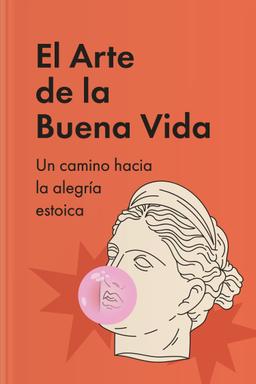
What is El arte de la buena vida - Un camino hacia la alegría estoica about?

Este libro explora la filosofía estoica como un camino para alcanzar la alegría y la satisfacción en la vida. A través de consejos prácticos y reflexiones profundas, el autor invita al lector a adoptar una mentalidad que valore lo esencial, fomente la resiliencia ante las adversidades y promueva una vida plena y significativa, alejándose de los deseos superficiales y los obstáculos emocionales.

Who should read El arte de la buena vida - Un camino hacia la alegría estoica

  • Buscadores de felicidad y satisfacción personal.
  • Aficionados a la filosofía estoica.
  • Lectores de desarrollo personal y bienestar emocional.
book

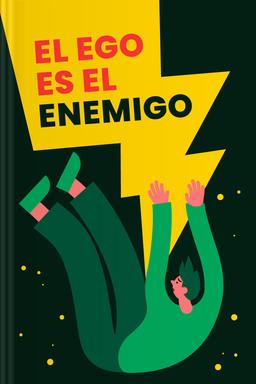
What is El ego es el enemigo about?

Este libro explora cómo el ego puede obstaculizar nuestro crecimiento personal y profesional. A través de ejemplos históricos y reflexiones profundas, se alienta al lector a cultivar la humildad y la disciplina. La obra invita a reconocer y gestionar el ego para alcanzar metas más significativas y establecer relaciones más auténticas, ofreciendo un enfoque práctico para transformar la ambición en éxito duradero.

Who should read El ego es el enemigo

  • Personas en busca de desarrollo personal.
  • Líderes deseando mejorar su autoconocimiento.
  • Estudiantes interesados en filosofía y psicología.
book

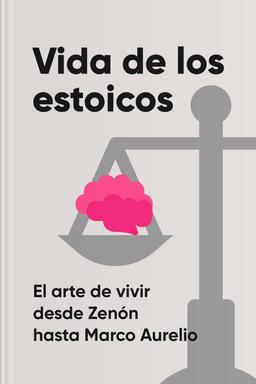
What is Vida de los estoicos - El arte de vivir desde Zenón hasta Marco Aurelio about?

Este libro explora la filosofía estoica y su relevancia a lo largo de la historia, desde sus orígenes con Zenón hasta las reflexiones de Marco Aurelio. A través de relatos y enseñanzas de pensadores estoicos, se revela cómo aplicar sus principios en la vida contemporánea para enfrentar desafíos, cultivar la resiliencia y alcanzar una existencia más plena y significativa.

Who should read Vida de los estoicos - El arte de vivir desde Zenón hasta Marco Aurelio

  • Filósofos que buscan inspiración en la antigua sabiduría.
  • Lectores interesados en el estoicismo y la resiliencia.
  • Personas que desean mejorar su vida emocional y mental.
book

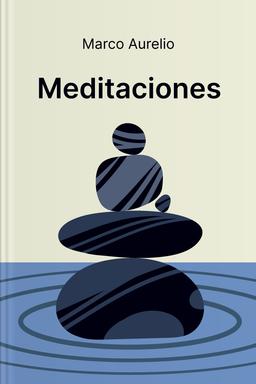
What is Meditaciones about?

Este libro es una recopilación de pensamientos y reflexiones del emperador romano, que profundiza en la filosofía estoica. A través de sus meditaciones, el autor aborda temas como la virtud, la muerte, la naturaleza y el autocontrol, ofreciendo sabiduría sobre cómo vivir de manera ética y en armonía con el universo. Es una guía para encontrar la paz interior y enfrentar las adversidades con fortaleza.

Who should read Meditaciones

  • Filósofos en busca de sabiduría y reflexión.
  • Lectores interesados en crecimiento personal y espiritual.
  • Estudiantes de psicología y ética antigua.
book

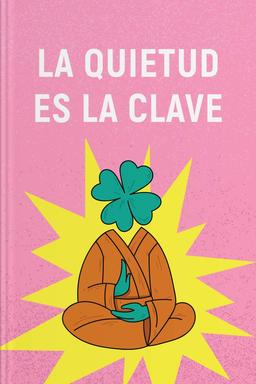
What is La quietud es la clave about?

Este libro explora el poder de la tranquilidad mental en un mundo caótico. A través de reflexiones y ejemplos históricos, el autor demuestra cómo la calma y la concentración pueden llevar al éxito personal y profesional. Fomenta la práctica de la meditación y la introspección como herramientas para alcanzar la paz interior, promoviendo la idea de que la quietud es esencial para la claridad y la efectividad en la vida.

Who should read La quietud es la clave

  • Buscadores de paz mental y equilibrio emocional.
  • Personas interesadas en el estoicismo y la filosofía.
  • Líderes que desean mejorar su toma de decisiones.
book

Frequently asked questions about books on Stoicism

What's the best book to read for Stoicism?

'Meditations' by Marcus Aurelius is one of Stoicism's most influential books. It started as the Roman emperor's personal journal, where he wrote down his thoughts about life, death, right and wrong, and his duties as a leader. What makes it special is how practical Aurelius's reflections are — real advice for dealing with challenges and becoming a better leader.

What are the four principles of Stoicism?

The four main principles of Stoicism are the four cardinal virtues: wisdom, courage, temperance, and justice. These virtues help you live a virtuous life by accepting reality as it is and focusing on what is within your control. They mean seeing things clearly and making the right decisions.

Is Elon Musk a Stoic?

Elon Musk isn't a Stoic, but people often draw comparisons. He's rational under pressure, keeps his emotions in check, and bounces back from failures. He's also big on accepting reality as it is, looking forward instead of dwelling on the past, and owning his choices.

Who are the big three of Stoicism?

The three most prominent Stoics, often mentioned together, are Seneca, Epictetus, and the Roman Emperor Marcus Aurelius. These Roman philosophers, representing different social classes (a dignitary, a former slave, and an emperor), made significant contributions to the development of Stoic philosophy.

What's the best Stoic book to read?

The best books on Stoicism include classics like Marcus Aurelius's 'Meditations' and Lucius Seneca's 'Dialogues,' as well as modern adaptations like 'The Daily Stoic' and 'The Obstacle is the Way' by Ryan Holiday. Also, William B Irvine's 'A Guide to the Good Life' is great for a practical application of philosophy.

What did Jesus say about Stoicism?

Jesus and Stoicism are not directly related. Jesus preached in the 1st century CE, while Stoicism arose long before that. However, they share similarities, like how Jesus and the Stoics call for peace, humility, acceptance of life's circumstances, and resistance to suffering. Also, Jesus teaches reliance on God's power, while the Stoics teach reliance on personal power or coincidence.

What's rule #1 of Stoicism?

The first rule of the Stoics is to distinguish between what is within our control and what is not, and to focus exclusively on the former. What's within our control includes our thoughts, judgments, desires, and actions. In contrast, things beyond our control include our body, possessions, reputation, the opinions of other people, and world events and accidents.