Crece cada día con un plan personalizado. Empieza aquí

11 Best Child Psychology Books for Parents to Read

Child psychology is the study of how children develop emotionally, mentally, and socially, making it crucial for parents to understand in order to support their child's growth and well-being. Our curated list of the top child psychology books offers valuable insights into understanding your child's behavior, emotions, and development.

Explore this list of child psychology books to discover practical tips, strategies, and expert advice on raising happy and healthy children. Enhance your parenting skills and positively impact your child's life by diving into these recommended reads. Start your journey towards becoming a more informed and effective parent today with our carefully selected collection of child psychology books.

Child psychology books for parents

Child psychology studies a child's mental and spiritual development from birth to adolescence (roughly age 12). The first years of life are crucial in a child's personality development. 

Parents and teachers help to form the foundations of personal qualities in children between the ages of 0 and 12. These qualities will influence the child's life and behavior throughout life. Parents and educators should read books on child psychology to educate, support, and understand children better.

A child's brain grows rapidly and is quite adaptable, but this development needs favorable conditions. Every child is unique with their own characteristics. Don't compare your child to others or expect ideal behavior and development. Instead, aim to observe them, understand their needs and interests, and help them develop according to their characteristics.

Many child psychology issues are related to parents because they set the tone for a child's future personality. A parent's main task is to create a positive emotional atmosphere. In this environment, children will feel comfortable, develop social skills, form values, and learn cultural norms and behaviors. Kids need to learn through mistakes, with parents offering unwavering support and encouragement rather than criticism. 

Child psychology books help parents adapt to a child's arrival, realize and accept their new status, and cope with different parenting challenges.

Child psychology books 

Each child is exceptional and has psychological characteristics that can affect their behavior and interaction with others. Understanding these characteristics can help parents better understand their children and interact with them more effectively. And good child psychology books will help provide you with quality knowledge!

Talk to your children more often. This way, you can develop yourself and your child, while learning what's happening inside and around them. Listen actively, and you'll learn to read between the lines, expanding your horizons and theirs. By actively participating in their upbringing in childhood, you are laying the foundation of understanding and trust for many years to come.

Top books among Headway users

Find your next read with a short quiz

All the best books on topic

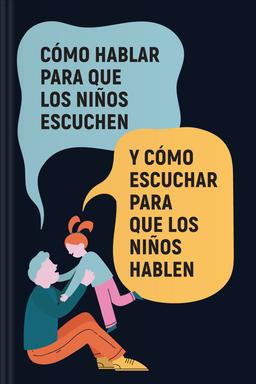
What is Cómo hablar para que los niños escuchen y cómo escuchar para que los niños hablen about?

Este libro es una guía esencial para padres y educadores que desean mejorar la comunicación con los niños. Ofrece herramientas prácticas y estrategias efectivas para fomentar el diálogo, la empatía y el entendimiento. A través de ejemplos y consejos claros, ayuda a superar malentendidos y conflictos, promoviendo un ambiente de respeto y colaboración. Es una obra fundamental para construir relaciones más sólidas y efectivas con los más pequeños.

Who should read Cómo hablar para que los niños escuchen y cómo escuchar para que los niños hablen

  • Padres que desean mejorar la comunicación familiar.
  • Educadores buscando técnicas efectivas para interactuar con niños.
  • Cuidadores que desean entender mejor a los niños.
book

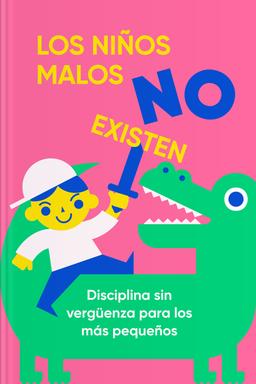
What is Los niños malos no existen - Disciplina sin vergüenza para los más pequeños about?

Este libro ofrece una perspectiva innovadora sobre la crianza, desafiando la noción de que los niños son inherentemente "malos". A través de una disciplina respetuosa y empática, la autora brinda herramientas para ayudar a los padres a comprender las emociones de sus hijos y fomentar un comportamiento positivo sin recurrir a la vergüenza. Es una guía práctica que promueve el desarrollo emocional saludable desde la primera infancia.

Who should read Los niños malos no existen - Disciplina sin vergüenza para los más pequeños

  • Padres que buscan disciplina positiva.
  • Educadores interesados en el desarrollo infantil.
  • Cuidadores de niños pequeños y bebés.
book

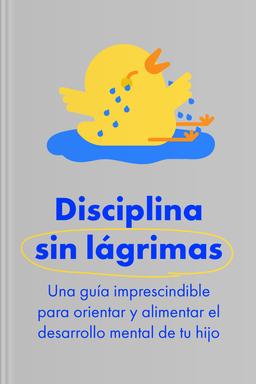
What is Disciplina sin lágrimas - Una guía imprescindible para orientar y alimentar el desarrollo mental de tu hijo about?

Este libro ofrece estrategias efectivas para guiar y educar a los niños sin recurrir al castigo. A través de una comprensión profunda del desarrollo cerebral infantil, los autores proponen métodos que fomentan la conexión emocional y el autocontrol, ayudando a los padres a manejar los momentos difíciles. Es una herramienta esencial para promover un ambiente de aprendizaje y crecimiento saludable en los más pequeños.

Who should read Disciplina sin lágrimas - Una guía imprescindible para orientar y alimentar el desarrollo mental de tu hijo

  • Padres que buscan mejorar la crianza de sus hijos.
  • Educadores interesados en el desarrollo emocional infantil.
  • Cualquier persona que trabaje con niños y adolescentes.
book

Frequently asked questions on child psychology books

What are the five areas of child psychology?

Child psychology covers several main areas that address different aspects of children's development, behavior, and emotions, such as:

  1. Cognitive area — Children's thinking, memory, learning, and problem-solving

  2. Emotional area — Formation of emotions and learning to manage feelings

  3. Social area — Interactions and relationships with other people

  4. Personal area — Development of self-concept and identity

Behavioral area — Environmental influences on a child's actions

What are some classic child psychology books?

Classic child psychology books known worldwide:

  • 'The Psychology of the Child' and 'Language and Thought of the Child' by Jean Piaget explain how children develop their thinking.

  • 'Attachment' by John Bowlby explains why mother-child bonds are vital for emotional development.

'Childhood and Society' by Erik Erikson is about the theory of the eight stages of personality development.

What's the #1 children's book of all time?

J.K. Rowling's 'Harry Potter' is the most famous modern series, and it has revived the love of reading worldwide. Other well-known works include Antoine de Saint-Exupéry's 'The Little Prince,' Lewis Carroll's 'Alice in Wonderland,' and Astrid Lindgren's 'Pippi Longstocking.'

What should I study if I want to be a child psychologist?

To become a child psychologist, start with studying general and developmental psychology to understand how children's thinking, emotions, and behavior form at different stages.

Master psychodiagnostics, counseling basics, and observation methods to identify children's needs and difficulties. Focus on attachment theories, emotional intelligence development, childhood trauma work, and parent interaction, because these form the heart of child psychology.

What are the best child psychology books?

Among the best books on child psychology are John Gottman and Joan DeClaire's 'Raising an Emotionally Intelligent Child,' and Adele Faber and Elaine Mazlish's 'How to Talk So Kids Will Listen & Listen So Kids Will Talk.' Both are practical classics on effective communication without shouting and conflict.

Do parents have a favorite child?

Yes, favoritism exists and is studied quite seriously in parenting psychology. It happens when parents unconsciously or consciously prefer one child over another — often due to temperament, gender, abilities, or shared interests. Parents typically don't recognize this bias, which may be associated with the ease of interaction with this particular child.

What's the most powerful psychology book?

There are many, but here are some of the best:
'Thinking, Fast and Slow' by Daniel Kahneman explains how we think, how we make decisions, and why we often make mistakes. 'How to Win Friends and InfluencePeople' by Dale Carnegie is great for improving interpersonal relationships and communication. And 'On Becoming a Person' by Carl Rogers is a classic.

What's the best parenting book to read?

'How to Talk So Kids Will Listen & Listen So Kids Will Talk' by Adele Faber and Elaine Mazlish is a best-selling parenting book recommended worldwide.

It teaches how to communicate with a child without shouting or punishment, help them express emotions while maintaining boundaries, build trust and cooperation, and educate with love and clarity rather than humiliation.