Crece cada día con un plan personalizado. Empieza aquí

10 Best Books for Understanding Childhood Trauma

Books on childhood trauma you'll actually want to read first

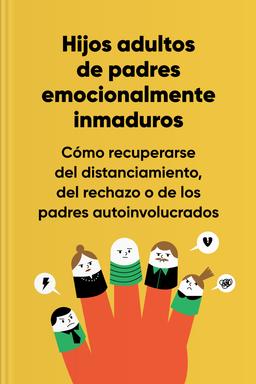
When you pick up books on childhood trauma, you might be hoping to see parts of your own story explained or at least find words that explain patterns you never knew had names. 'Adult Children of Emotionally Immature Parents' by Lindsay C. Gibson, which appears first in the list, shows how growing up with rejecting or self-focused parents shapes harmful patterns that damage trust and undermine self-esteem later on. Readers often say the book finally gave them the language to speak and explain their experiences.

Another book from the list, 'The Body Keeps The Score' by Bessel Van Der Kolk, blew up on social media, podcasts like The Diary of a CEO, and in support groups. It helped readers, many for the first time, understand why their bodies acted like the trauma was still happening.

Then, there's Bruce Perry and Oprah's 'What Happened to You', which deserves a special spotlight. The book flips the question from "What's wrong with you?" to "What happened to you?" This shift instantly changes the narrative about traumatic experiences. You can listen to the main takeaways on Headway to get the whole idea first; chances are, you'll fall in love with how the stories and science are broken down. From there, if the concepts resonate, you can grab the original and read about:

  • How perspective shifts change trauma responses

  • The brain-body connection and how it explains lasting stress reactions

  • Triggers and personal stories that show how behavior gets shaped

Books for healing childhood trauma that hand you useful tools

Many people who hear "trauma" think of disasters, PTSD, or extreme abuse. But being shamed for spilling water or breaking a plate can also leave deep scars — we just don't always recognize it. Books for healing childhood trauma help explain how events influence our adult responses:

  • Small moments can leave big marks: When a child accidentally breaks a plate and gets beaten for it, that reaction doesn't just sting in the moment. It teaches fear.

  • Childhood lessons can carry forward: Even as adults, people might feel that every disagreement could bring punishment, whether it's a meeting in the boardroom or a conversation at home. Trauma shapes those responses long after the original event.

  • Patterns become survival strategies: Those early lessons turn into what 'What Happened to You?' calls being a "world-class people-pleaser" or someone who avoids conflict at all costs.

  • Healing starts with language: By recognizing and naming these links out loud, you can see that your anxiety, people-pleasing approach, or even your struggle to say 'no' isn't a weakness — it's just an old survival skill.

These books on childhood trauma offer perspective. Sure, these texts aren't about quick fixes; you also won't find easy answers. But what you will find are stories and scientific findings that can help you connect the dots and maybe start to let go of old patterns.

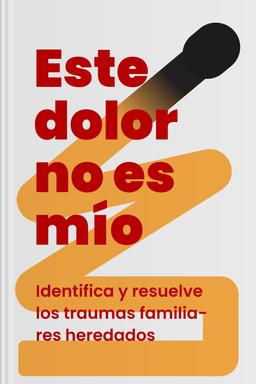
These insights matter if you've spent years wondering why you can't just "get over it." You'll find answers in books like Dr. Karyl McBride's 'Will I Ever Be Good Enough?' or Mark Wolynn's 'It Didn't Start with You', which digs into inherited family trauma.

Find your next read with a short quiz

All the best books on topic

What is Hijos adultos de padres emocionalmente inmaduros - Cómo recuperarse del distanciamiento, del rechazo o de los padres autoinvolucrados about?

Este libro ofrece una guía para aquellos que han crecido con padres emocionalmente inmaduros. A través de consejos prácticos y estrategias, ayuda a los lectores a comprender el impacto de esta relación en su vida adulta y les enseña a sanar de experiencias de distanciamiento y rechazo. A través de la auto-reflexión, se busca fomentar la independencia emocional y mejorar las relaciones personales.

Who should read Hijos adultos de padres emocionalmente inmaduros - Cómo recuperarse del distanciamiento, del rechazo o de los padres autoinvolucrados

  • Adultos buscando sanar relaciones familiares complicadas.
  • Personas enfrentando el impacto de la inmadurez emocional paterna.
  • Lectores interesados en la salud emocional y el autocrecimiento.
book

What is Este dolor no es mío - Identifica y resuelve los traumas familiares heredados about?

Este libro explora cómo los traumas familiares pueden afectar a las generaciones futuras. A través de casos prácticos y una profunda investigación, el autor ofrece herramientas para identificar y sanar las heridas emocionales heredadas. La obra se centra en la conexión entre nuestros comportamientos y las experiencias de nuestros antepasados, proporcionando un camino hacia la sanación personal y la transformación de patrones familiares dañinos.

Who should read Este dolor no es mío - Identifica y resuelve los traumas familiares heredados

  • Personas interesadas en la salud mental familiar.
  • Terapeutas que trabajan con traumas intergeneracionales.
  • Lectores que buscan sanar heridas emocionales.
book

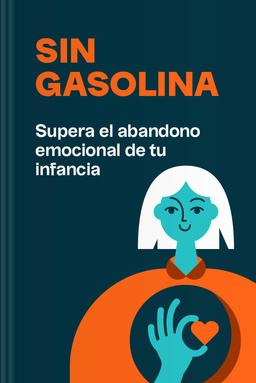
What is Sin gasolina about?

Este libro explora cómo el abandono emocional durante la infancia puede afectar la vida adulta. La autora ofrece herramientas y estrategias para reconocer y sanar estas heridas, fomentando una mayor conexión emocional y el desarrollo de relaciones saludables. A través de relatos personales y consejos prácticos, se guía a los lectores a superar el dolor del pasado y construir una vida más plena y satisfactoria.

Who should read Sin gasolina

  • Adultos que luchan con el abandono emocional.
  • Personas interesadas en la salud mental y el bienestar.
  • Lectores que buscan sanar heridas de la infancia.
book

Frequently asked questions about healing from childhood trauma

What's the best book to read to heal childhood trauma?

Start with 'The Body Keeps the Score' by Bessel van der Kolk, which explains how trauma gets stuck in your nervous system and offers multiple ways to release it. Van der Kolk studied trauma for 30 years and found that traditional talk therapy often isn't enough. You need approaches that work with your body, like yoga.

How can I heal from childhood trauma by myself?

Begin by learning to recognize when your nervous system gets activated, like when your heart rate spikes. Also, aim to journal about your triggers without judging them. Headway offers summaries of trauma books that explain these signals in plain language, giving you a starting point. Still, remember that trauma often needs professional support, and processing it alone can be hard and sometimes unsafe.

What are the 6 stages of healing from childhood trauma?

First, you acknowledge that something traumatic happened. Then, you understand how it affects you today. Next comes safely feeling the emotions you couldn't process as a child. You develop new ways to handle stress and triggers, and learn how to have healthier relationships. Finally, you integrate the experience into your story.

What's the most effective treatment for childhood trauma?

EMDR (Eye Movement Desensitization and Reprocessing) therapy helps your brain process traumatic memories without getting overwhelmed. It reduces the emotional charge linked to those memories. Somatic therapy works with how trauma lives in your body. Additionally, Internal Family Systems helps you work with the various parts of yourself. The best approach depends on your specific experiences and needs.

What does unhealed childhood trauma look like?

Your nervous system might stay on high alert, causing anxiety or panic attacks. You might attract partners who repeat familiar patterns from childhood, even when they hurt you. Some people develop chronic pain or digestive problems that doctors struggle to explain medically.

What are the 4 types of childhood trauma?

Some frameworks include household dysfunction, like growing up around addiction. But psychology research typically identifies four main types:

  • Physical abuse: When a child is hit or physically harmed.

  • Sexual: When a child is forced into sexual acts or inappropriate touching.

  • Emotional: Constant criticism or being denied love.

  • Neglect: When a child's basic needs, such as food or medical care, are ignored.