Crece cada día con un plan personalizado. Empieza aquí

7 Best Propaganda Books

Have you ever wondered how your thoughts are shaped without you even realizing it? Propaganda doesn't stop with loud political speeches or war rhetoric. It surrounds you every day. Some amazing books on propaganda show how easily our opinions, intentions, and beliefs can be influenced — and how we can spot it. 

Propaganda books address the psychology of persuasion, the hidden narratives that mold public perception, and the subtle messages behind the illusion of choice when, in reality, we're often being manipulated. 

Are you into studying propaganda in politics? Or analyzing the power of influence? Then these books will show you new strategies and methods at work.

How propaganda books show you the real power of persuasion

Books about propaganda show you exactly how people mess with your head to get what they want. They pull back the curtain on the psychological tricks used to twist facts, shift perspectives, and sell you stories that might not be entirely true — whether it's in politics, advertising, or media.

These books deconstruct the psychology of persuasion and show how messages use emotional appeals, repetition, and selective facts to change our reality and what we believe. They illustrate how a well-placed message, delivered at the right time, can influence public opinion — from political campaigns to advertising.

What's most impressive about propaganda books is that they teach you how to recognize these tactics in real time. They help you think critically about the content that is confronting you every day and begin questioning the narratives you've been told.

The power of propaganda books in developing critical thinking

Reading books on propaganda doesn't just help you learn how manipulation works. These reads help you train yourself to think critically about everything you can see or hear. They teach you to question facts, spot what's missing, and recognize when someone's trying a bit too much to persuade you. 

You start noticing how information gets packaged, which facts conveniently disappear, and what agenda might be hiding underneath the surface. In an environment where information is constantly flowing, being able to identify manipulation is a valuable skill. It doesn't matter if it is a literal ad being presented to you to convince you to purchase something or a politician giving a prepared script response to a question; these texts help ensure you will not be an easy mark.

These propaganda books will make you question everything from social media trends to political speeches, so that you can be informed more objectively with a greater awareness of manipulation in the least manipulative ways.

Find your next read with a short quiz

All the best books on topic

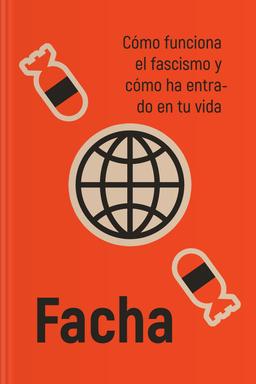
What is Facha - Cómo funciona el fascismo y cómo ha entrado en tu vida about?

Este libro explora el fenómeno del fascismo en la vida cotidiana, desglosando sus características y técnicas. A través de ejemplos históricos y contemporáneos, el autor analiza cómo el lenguaje y la propaganda facilitan la normalización de ideas autoritarias. Además, invita a los lectores a reflexionar sobre la influencia del fasismo en sus propias creencias y conductas, promoviendo una mayor conciencia y resistencia ante estas ideologías.

Who should read Facha - Cómo funciona el fascismo y cómo ha entrado en tu vida

  • Estudiantes interesados en política y filosofía.
  • Lectores preocupados por el extremismo en la sociedad.
  • Activistas que luchan contra el fascismo y la opresión.
book

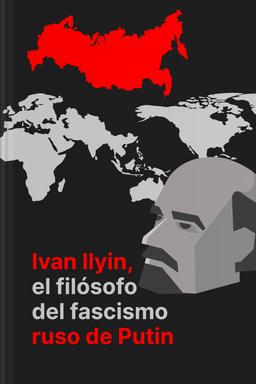
What is Ivan Ilyin, el filósofo del fascismo ruso de Putin about?

Este libro explora la vida y el pensamiento de Ivan Ilyin, un filósofo ruso cuya obra ha influido en el fascismo contemporáneo en Rusia. A través de un análisis profundo, el autor examina cómo las ideas de Ilyin fueron recuperadas por el régimen de Putin, conectando el pasado con el presente. La obra revela las implicaciones de la filosofía política y cómo puede moldear la identidad nacional y el autoritarismo en Rusia.

Who should read Ivan Ilyin, el filósofo del fascismo ruso de Putin

  • Estudiantes de filosofía política y pensamiento crítico.
  • Interesados en la historia del fascismo y Rusia.
  • Lectores que analizan el impacto de Putin en la sociedad.
book

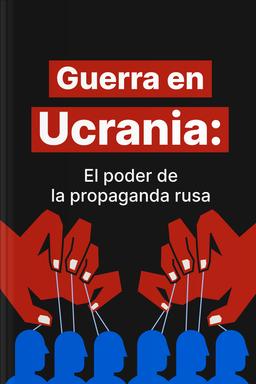
Guerra en Ucrania

by basado en artículos de Vox, BBC, The New York Times, The Guardian, Vice, Politico y Radio Liberty

What is Guerra en Ucrania about?

Este libro analiza el conflicto en Ucrania desde la perspectiva de la propaganda rusa. A través de artículos de diversas fuentes informativas, se abordan las tácticas comunicativas empleadas para influir en la opinión pública y moldear la narrativa del conflicto. Con un enfoque crítico, se revela cómo la desinformación y los relatos sesgados son herramientas clave en la estrategia política de Rusia.

Who should read Guerra en Ucrania

  • Estudiantes de relaciones internacionales y ciencia política.
  • Profesionales interesados en geopolítica y conflicto contemporáneo.
  • Lectores que buscan entender la desinformación mediática.
book

Frequently asked questions about propaganda books

What's the most famous piece of propaganda?

James Montgomery Flagg's "I Want You for US Army" poster is one of the most recognizable pieces of propaganda. The image of Uncle Sam pointing at viewers was used in World War I and revived for World War II to encourage Americans to join the military. It demonstrates the power of a strong visual in motivating people to action.

What is an example of propaganda literature?

A propaganda novel promotes an ideology or political message. These books use storytelling to shape a person's perspective on ideas or systems. George Orwell's '1984' and Aldous Huxley's 'Brave New World' are classic examples. While classified as dystopian novels, they show how individuals can slip social and political commentary into stories in a smooth way.

What is the most famous propaganda in history?

The most famous propaganda in history is a World War II poster that says, "Keep Calm and Carry On." Originally, it was created to boost morale among the British during the war. The idea that, regardless of the outcome, they would persevere. Then, it began to appear in pop culture, showing the longevity and power of true propaganda.

What are the 4 elements of propaganda?

People define this differently, but here are four big ones: going after your feelings instead of your logic, saying the same thing so many times you stop questioning it, turning messy issues into simple slogans anyone can repeat, and giving you someone to blame or fear. Basically, propaganda wants you to react on instinct rather than stop to think things through. Once you know what to look for, you'll spot it constantly.

What are the three main elements of propaganda?

Three basics: what they're saying (the actual message), how they're saying it (billboards, TikTok, rallies — whatever reaches people), and who they're talking to (the target audience). Smart propaganda figures out what a group already believes and packages the message to fit those existing views perfectly. When you understand this, you stop swallowing information whole and start asking, "Wait, what's the angle here?"

Is propaganda still used today?

Indeed, modern society uses propaganda as a means to shape public opinion through government, marketing, social media, and traditional media. When we sell a product or influence a voter, we use propaganda on a daily basis. Propaganda doesn't include direct messages — it encompasses advanced, targeted advertising on social media and carefully designed awareness campaigns to influence beliefs and attitudes.