Rusia ha iniciado una guerra a gran escala en Ucrania. Haz un donativo a un fondo benéfico para apoyar a Ucrania y proteger la paz mundial.

Apoya a Ucrania

70 Best Books for Effective Problem Solving

Problem-solving is a highly sought-after skill needed for personal and professional success. It involves effectively identifying, analyzing, and solving complex problems, including critical thinking. Our curated list of the best problem-solving books offers knowledge and insights on thinking critically, making decisions without undue emotion, and solving complex problems.

Check out this list for practical tips and real-life examples to improve your problem-solving skills, professionalism, and change the world for the better. Get ready to unleash your creative potential by immersing yourself in the diverse range of problem-solving books in our collection. Start thinking and solving problems effectively!

Why are problem-solving books so useful?

Every day, we face problems that require a quick and active response. Problem-solving is one of the most critical skills of leaders and effective people in any field.

There are many specialized techniques and methods for solving problems in areas such as engineering, business, medicine, mathematics, computer science, philosophy, and social organization. Mental methods of identifying, analyzing, and solving problems are studied in psychology and cognitive sciences.

In truth, people tend to complicate problems and make them bigger than they really are. To avoid this, try to divide the problem or situation into smaller parts, step by step, to determine where and what went wrong. Then try to find and choose the simplest and most obvious solution. As we know, the simplest things are often more effective.

Before making any decision, think about how this or that person would act in your place. Try to analyze the situation, look at it from the outside, and imagine it didn’t happen to you.

Best books on problem solving

Whether you want to learn how to make better decisions, learn something new, or simply enjoy meaningful conversations, choosing a good book on problem-solving is a great place to start.

Critical thinking is a belief system that allows you to analyze information and make rational decisions based on it. Globally, it’s the ability to distinguish lies from truth, which is extremely relevant in our age of misconceptions.

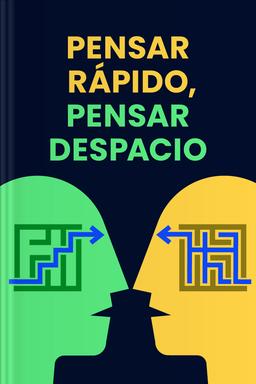
For example, psychologist Daniel Kahneman identifies two systems in the human psyche. System one is a fast way of thinking that allows you to make decisions quickly. System two is analytical work that requires time and effort, relies on logic, and involves the search for evidence. Both are necessary, but involving each at the appropriate time is important.

Critical thinking helps make decisions in personal life and professional activities. It helps solve complex problems and conflicts by allowing us to objectively assess the situation, analyze arguments, and find alternative solutions.

Additionally, critical thinking becomes especially relevant in scientific research and technological innovations. It helps to make inventions and discoveries, based on proven data and scientific methods. This type of thinking is also needed in business for strategic planning and developing new products. It contributes to market analysis, risk assessment, and decision-making effectiveness.

Overall, creative problem-solving is about developing unique and innovative solutions to problems or tasks. It requires coming up with unconventional ideas instead of the traditional way of doing things. You can find new, inspiring ideas and techniques for developing thinking and problem-solving skills in Headway’s bestselling book summaries.

Top books among Headway users

Find your next read with a short quiz

All the best books on topic

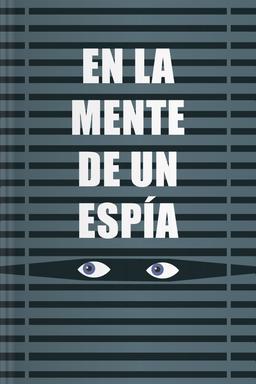
What is En la mente de un espía about?

Este libro ofrece una profunda inmersión en el mundo del espionaje, explorando las técnicas y estrategias utilizadas por los agentes secretos. A través de relatos intrigantes y análisis psicológicos, el autor revela los desafíos y las decisiones críticas que enfrentan quienes operan en la oscuridad. El lector es llevado a cuestionar la lealtad, la verdad y la moralidad en un entorno donde la información es poder.

Who should read En la mente de un espía

  • Amantes de la literatura de espionaje.
  • Estudiantes de historia militar y estrategias de guerra.
  • Aficionados a los thrillers psicológicos y misterios.
book

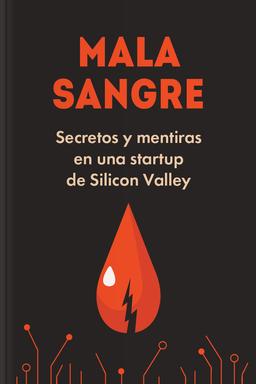
Mala sangre

by John Carreyrou

What is Mala sangre about?

Este libro relata la impactante historia de una startup que prometía revolucionar la industria de la salud, pero que estaba plagada de engaños y fraudes. A través de la investigación exhaustiva del autor, se revela cómo la ambición desmedida y la falta de ética llevaron a la caída de la compañía, exponiendo secretos oscuros y mentiras que tuvieron graves consecuencias para inversores y pacientes.

Who should read Mala sangre

  • Emprendedores que buscan inspiración en Silicon Valley.
  • Estudiantes de negocios interesados en startups exitosas.
  • Lectores fascinados por investigaciones periodísticas y secretos.
book

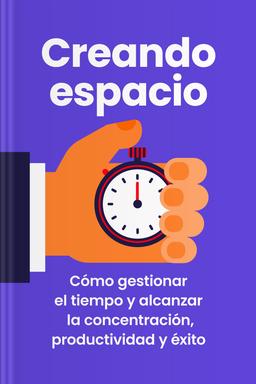
What is Creando espacio - Cómo gestionar el tiempo y encontrar concentración, productividad y éxito about?

Este libro ofrece estrategias prácticas para optimizar la gestión del tiempo y aumentar la productividad personal. A través de técnicas efectivas, el autor guía al lector en la búsqueda de un ambiente propicio para la concentración. Además, se explora cómo lograr un equilibrio entre la vida personal y profesional, facilitando así el camino hacia el éxito. Se convierte en una herramienta esencial para quienes buscan mejorar su rendimiento diario.

Who should read Creando espacio - Cómo gestionar el tiempo y encontrar concentración, productividad y éxito

  • Profesionales que buscan mejorar su gestión del tiempo.
  • Estudiantes que desean aumentar su concentración y productividad.
  • Emprendedores en busca de estrategias para el éxito.
book

FAQs on problem-solving books

What are the best books on problem-solving?

To develop problem-solving skills, you should read self-development and business literature like Daniel Kahneman's 'Thinking Fast and Slow,' Rolf Dobelli's 'The Art of Thinking Clearly,' and 'Cracked It! How to Solve Big Problems and Sell Solutions Like a Top Strategy Consultant,' by Bernard Garrette. These works offer practical strategies for improving your thinking and actions.

What are the seven steps to problem-solving skills?

Problem solving involves the following seven steps:

  1. Problem definition: What is the problem?

  2. Data collection: What is happening?

  3. Root cause analysis: Why?

  4. Solution planning and implementation: Solve the problem correctly.

  5. Impact assessment: Return to the data to check if the solution worked.

  6. Standardization of the solution: How widely can the solution be implemented in the organization?

  7. Process evaluation: Learn about the work done by evaluating it with everyone involved, and use the solution when another problem needs to be solved.

What are the four types of problem solvers?

There are four main types of thinking and problem-solving, each with their own strengths and limitations:

  • The Analyst is logical, consistent, and data-driven.

  • The Innovator is a creative thinker who finds new ways and is not afraid of experimentation and risk.

  • The Implementer is a pragmatist who focuses on specific actions and results.

The Collaborator works through interactions with people, knows how to listen, unites the team, and creates an atmosphere of cooperation.

What is the best book on problem-solving?

'Thinking Fast and Slow' is a New York Times and Amazon bestseller by psychologist and economist Daniel Kahneman. He explains how our thinking influences our financial, political, and personal decision-making, and how we can improve our ability to make better choices. This is a psychological drama with two characters in your head — intuitive and conscious thinking.

Which book is best for critical thinking?

'Think Again: The Power of Knowing What You Don't Know' by Adam Grant is a famous book for developing critical thinking. Grant explores the art of rethinking, including the ability to question our own thoughts and discover those of others to achieve excellence in work and wisdom in life. The scientist provides real-life examples and psychological research that help us to better understand the process of rethinking old thoughts.

How to learn problem-solving and critical thinking?

Thinking critically involves questioning information, analyzing it, checking sources, considering alternative points of view, and forming well-rounded opinions. It also includes analyzing arguments, avoiding emotional expressions, actively listening, and purposefully seeking new ways to solve problems. After all, critical thinking is essential for finding new ways to solve complex practical problems.

Is there a difference between problem-solving and critical thinking?

Critical thinking and problem-solving are closely related, but they are different skills.

Critical thinking is asking the right questions, analyzing the answers, and drawing conclusions. It helps you understand what is true, what is not, and form a well-rounded position. Problem-solving is applying knowledge and skills to find a specific solution to a complex situation.