Crece cada día con un plan personalizado. Empieza aquí

7 Best Metaphysical Books for Inquisitive Minds

What if everything you knew about reality was just the tip of the iceberg? Metaphysics is a subfield of philosophy that investigates the nature of reality, including existence, time, space, and consciousness. If you are intrigued by the mysteries of life and the universe, metaphysical books explore the types of questions that have intrigued humanity.

Metaphysics books dig into the questions that keep you up at night — what's actually real, why we exist, what consciousness even is, and how everything fits together. The good ones take ideas that sound impossibly complex and break them down in ways that actually click.

How metaphysical books reveal the secrets of the universe

Metaphysical books open up a world where questions about existence are examined through philosophical and scientific lenses. They explore the universe, being, and our interconnectedness. Many metaphysical works take a holistic approach, using logic alongside abstract thought to reveal a larger perspective of the world.

These books introduce readers to ideas of consciousness, the mind-body connection, and the nature of time and space. What makes metaphysical books special is their ability to invite us to think differently about existence — to push our thinking beyond conventional boundaries and question whether deeper truths can be accessed through contemplating our place in the universe.

If you're wrestling with existential questions or seeking enlightenment, metaphysics offers wisdom for both intellectual and spiritual growth.

How metaphysical books challenge the way we think

The very nature of metaphysical books can help frame how we understand the world. They are often the first to raise questions that may not have definitive answers and present multiple possibilities — concepts like free will, infinity, and mind-body connections.

Throughout history, many of the greatest minds have spent their lives thinking and writing about these subjects. Each offers their own explanations, perspectives, and theories of what reality is. Because of this, metaphysical books can facilitate intellectual engagement, emotional growth, and spiritual development.

In many instances, when readers make their way through books on metaphysics, they're encouraged to set aside their own assumptions and seek to deepen their understanding of the possibilities that life can offer and their own place in the world.

Top books among Headway users

Find your next read with a short quiz

All the best books on topic

What is Breve historia de todas las cosas about?

Este libro presenta un recorrido integral por la evolución del conocimiento humano, combinando conceptos de filosofía, ciencia y espiritualidad. El autor explora cómo las diferentes disciplinas han contribuido a nuestra comprensión del mundo, ofreciendo un marco que conecta tanto lo material como lo espiritual. A través de un enfoque holístico, se invita al lector a reflexionar sobre la interconexión de todas las cosas y el desarrollo de la conciencia a lo largo del tiempo.

Who should read Breve historia de todas las cosas

  • Estudiantes de filosofía y pensamiento integral.
  • Interesados en la espiritualidad y la conciencia.
  • Lectores de desarrollo personal y autoconocimiento.
book

What is Pide y se te dará - Aprende a manifestar tus deseos about?

Este libro explora el poder de la ley de la atracción y cómo los pensamientos influyen en nuestra realidad. A través de enseñanzas prácticas, los autores guían al lector para identificar y manifestar sus deseos más profundos. Con estrategias accesibles y ejemplos inspiradores, invita a cultivar una mentalidad positiva y a alinearse con el flujo del universo, facilitando así la creación de la vida que uno realmente desea.

Who should read Pide y se te dará - Aprende a manifestar tus deseos

  • Interesados en el crecimiento personal y espiritual.
  • Personas que buscan mejorar su vida mediante la manifestación.
  • Lectores que desean entender la ley de la atracción.
book

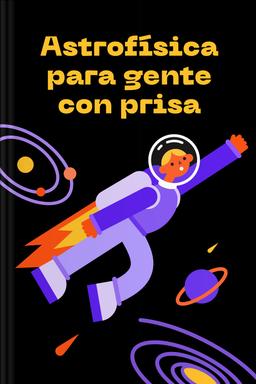
What is Astrofísica para gente con prisas - Las claves esenciales para comprender el universo about?

Este libro ofrece una introducción accesible y concisa a los conceptos fundamentales de la astrofísica. A través de explicaciones claras y entretenidas, se exploran temas como la formación del universo, los agujeros negros y la materia oscura, todo presentado de manera que cualquier lector pueda entender. Ideal para aquellos que desean conocer las maravillas del cosmos sin profundizar demasiado, es una guía esencial para entender la ciencia detrás del universo.

Who should read Astrofísica para gente con prisas - Las claves esenciales para comprender el universo

  • Estudiantes de ciencias y amantes de la astronomía.
  • Personas curiosas que buscan entender el universo rápidamente.
  • Lectores interesados en astrofísica sin complejidades técnicas.
book

What is Tao Te Ching about?

Un texto fundamental del taoísmo, esta obra ofrece reflexiones profundas sobre la naturaleza del ser, el equilibrio y la simplicidad. A través de aforismos poéticos, enseña cómo vivir en armonía con el Tao, el camino universal. Fomenta la humildad, la compasión y la moderación, guiando al lector hacia una comprensión más profunda de la vida y su conexión con el cosmos.

Who should read Tao Te Ching

  • Filósofos interesados en el pensamiento oriental.
  • Lectores que buscan sabiduría y paz interior.
  • Practicantes de meditación y espiritualidad.
book

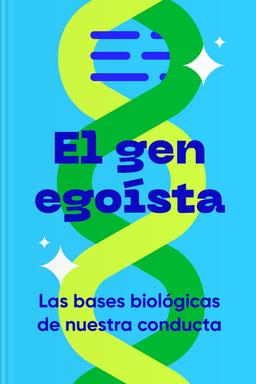
What is El gen egoísta - Las bases biológicas de nuestra conducta about?

Este libro propone que el comportamiento humano y animal puede entenderse a través de la teoría de la evolución, enfocándose en el papel de los genes en la supervivencia y reproducción. Dawkins argumenta que los genes actúan de manera egoísta, influenciando nuestras acciones para maximizar su propia continuidad. A través de ejemplos y análisis, se exploran las implicaciones de esta visión en la biología y la psicología.

Who should read El gen egoísta - Las bases biológicas de nuestra conducta

  • Estudiantes de biología interesados en la evolución.
  • Personas curiosas sobre la naturaleza del comportamiento humano.
  • Lectores de ciencia que quieren entender la genética.
book

Frequently asked questions about metaphysical books

What are metaphysical books?

Metaphysical books explore fundamental questions about reality, existence, consciousness, time, and the nature of being. They examine topics beyond the physical world — like whether free will exists, what consciousness actually is, or if there's meaning to existence. These books range from ancient philosophy to modern neuroscience, offering frameworks for contemplating life's most profound and abstract questions.

What are the 14 books of metaphysics?

14 books of metaphysics, also known as Aristotle's 'Metaphysics,' which is divided into 14 books (sections). This ancient text laid the groundwork for Western metaphysical thought, covering topics such as substance, causation, and being. Each "book" is a chapter exploring different aspects of reality and existence, written around 350 BCE and still studied today.

What is metaphysics in simple terms?

Metaphysics is the branch of philosophy that asks, "What is real?" and "Why does anything exist?" It tackles big questions, such as: Does God exist? Is there free will? What is consciousness? What's the nature of time? Basically, if physics studies how things work, metaphysics asks what things actually are and why they're here at all. It's philosophy's deep end.

What are the top 10 spiritual books?

Popular reads in spirituality include Eckhart Tolle's 'The Power of Now,' Paulo Coelho's 'The Alchemist,' Hermann Hesse's 'Siddhartha,' Michael Singer's 'The Untethered Soul,' Eckhart Tolle's 'A New Earth,' Kahlil Gibran's 'The Prophet,' Viktor Frankl's 'Man's Search for Meaning,' the 'Tao Te Ching', Ram Dass's 'Be Here Now,' and 'The Bhagavad Gita.' You can choose these books based on your curiosities and interests.

What is the best book on metaphysics?

For beginners, try 'The Problems of Philosophy' by Bertrand Russell — a clear and accessible work. For depth, Aristotle's 'Metaphysics' is the foundation, although it is dense. Modern picks include 'Metaphysics: A Very Short Introduction' by Stephen Mumford or 'Metaphysics' by Peter van Inwagen. The "best" depends on whether you want historical foundations, contemporary debates, or practical applications of metaphysical thinking to everyday life.

What are the four types of metaphysics?

The main branches are Ontology (what exists), Epistemology (how we know what's real), Cosmology (the nature of the universe), and Philosophy of Mind (consciousness and thought). Some add Natural Theology (existence of God) as a fifth. These aren't strict categories — they overlap, and different philosophers divide metaphysics differently. Each branch addresses distinct yet related questions about the fundamental nature of reality.

How do I start studying metaphysics?

Begin with more approachable introductions, such as Jostein Gaarder's 'Sophie's World' or Bertrand Russell's 'The Problems of Philosophy.' After that, move on to Stephen Mumford's 'Metaphysics: A Very Short Introduction.' Finally, read at your own pace, take notes, and don't get stressed if an idea seems unclear. This is normal. You might also consider joining a philosophy group on an online forum, attending an online lecture, or searching YouTube for lectures on philosophy as a starting point. 

What is the beginner's guide to metaphysics?

Begin with 'Metaphysics: A Very Short Introduction' by Stephen Mumford or 'Think' by Simon Blackburn for clear overviews. Then explore specific questions that interest you — such as free will, consciousness, and time. Read diverse perspectives, not just one philosopher. Use online resources, such as the Stanford Encyclopedia of Philosophy, for definitions. Start with questions, not answers. Metaphysics is about learning to think deeply, not memorizing conclusions.