Crece cada día con un plan personalizado. Empieza aquí

5 Best Investing Books for Beginners Who Want Real Results

You're tired of watching your savings lose value to inflation. You know you should invest, but where do you even start? The stock market can feel like a foreign language, and financial advisors often seem to speak in code. 

Here's the truth: the best investing books for beginners don't overwhelm you with jargon. They show you what actually works. Authors like Benjamin Graham and Jill Schlesinger cut through the confusion with practical advice you can use today. These five investing books will teach you to invest with confidence, not fear.

Why the best investing books for beginners focus on behavior, not just numbers

The best investing books for beginners teach you something surprising: your biggest obstacle isn't a lack of knowledge. It's your own brain working against you.

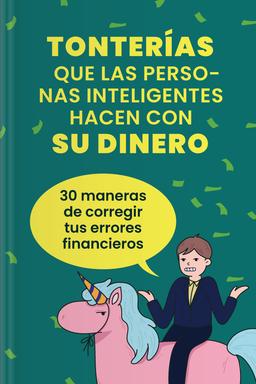
'The Dumb Things Smart People Do with Their Money' by Jill Schlesinger exposes how educated people still make terrible financial decisions. You might have a college degree and a decent job, but you're probably making at least one of the 13 mistakes she outlines. Maybe you're paying too much in fees because you didn't ask questions. Perhaps you're keeping too much cash "just in case" while inflation eats away at your purchasing power.

Benjamin Graham's 'The Intelligent Investor' goes deeper into investor psychology. Graham explains why people panic and sell during market crashes, then buy at the peak when everyone's excited. That behavior destroys wealth. His concept of "Mr. Market" — treating the stock market like an emotional neighbor who offers to buy or sell your shares daily — helps you ignore short-term noise.

The real lesson: successful investing isn't about picking the next Amazon. It's about controlling your emotions when your portfolio drops 20% in a month. These investing books teach you to stay calm, stick to your plan, and avoid the mistakes that cost most beginners thousands of dollars.

What are the best investing books that beginners should read

The best investing books beginners pick up should answer one question: how do I start investing without losing my shirt?

Paul Mladjenovic's 'Stock Investing for Dummies' is a great start for newbies to the world of stocks. It simply explains the basics: what stocks are, how to value companies based on their financial statements, how to build a diversified portfolio, and how to manage risk. Mladjenovic also covers modern topics: investing in ETFs, tax considerations, and promising market segments. This book doesn’t promise “golden stocks,” but it teaches you how to think like an investor: set goals, do your homework, and keep your emotions in check.

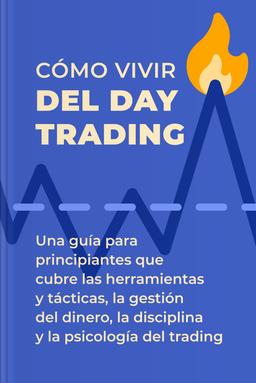
Andrew Aziz's 'How to Day Trade for a Living' is a practical guide for those who want to day trade. He explains that trading stocks in one day is not a lottery, but a business with strict risk management.

Aziz draws attention to three key skill sets: choosing the right stocks (the so-called “stocks in play” with high relative volume and catalyst), strict risk management (no more than 2% of capital per trade, a win-to-loss ratio of at least 2:1), and emotional discipline — not letting fear or greed drive your decisions.

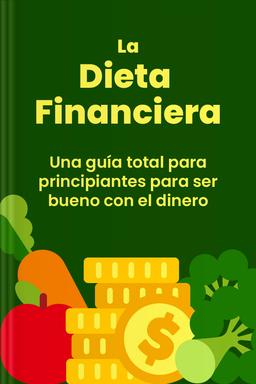
Then there's 'The Financial Diet' by Chelsea Fagan and Lauren Ver Hage. This book resonates with people in their 20s and 30s who struggle with student debt and live from paycheck to paycheck. Fagan doesn't sugarcoat it: your daily coffee habit isn't the problem. Your lack of a system is. The book provides a framework for gradually building wealth, even when starting from scratch.

These investing books for beginners share a common thread. They respect your intelligence while acknowledging you're new to this. They answer the questions you're too embarrassed to ask a financial advisor.

Find your next read with a short quiz

All the best books on topic

What is Cómo vivir del day trading about?

Este libro ofrece una guía completa para principiantes interesados en el day trading. Aborda las herramientas y tácticas esenciales, así como la gestión del dinero necesaria para tener éxito en los mercados. Además, se enfoca en la disciplina y la psicología del trading, aspectos cruciales para aprender a operar con confianza y minimizar riesgos. Una lectura indispensable para quienes desean comenzar su carrera en el comercio diario.

Who should read Cómo vivir del day trading

  • Principiantes en la inversión y trading financiero.
  • Personas interesadas en mejorar su disciplina financiera.
  • Aquellos que buscan gestionar su dinero efectivamente.
book

What is La inversión en bolsa para principiantes about?

Este libro ofrece una guía accesible y práctica para quienes desean iniciarse en el mundo de la inversión en bolsa. A través de conceptos claros y estrategias efectivas, el autor desglosa el proceso de invertir, enseñando a los principiantes a tomar decisiones informadas, gestionar riesgos y construir un portafolio de inversiones exitoso. Es un recurso esencial para quienes buscan aumentar su conocimiento financiero y alcanzar la independencia económica.

Who should read La inversión en bolsa para principiantes

  • Nuevos inversores interesados en la bolsa
  • Estudiantes de economía y finanzas
  • Personas que desean mejorar su educación financiera
book

What is Tonterías que las personas inteligentes hace con su dinero - Trece maneras de corregir tus errores económicos about?

Este libro explora las decisiones financieras equivocadas que las personas inteligentes suelen tomar y ofrece trece estrategias para corregir estos errores. A través de ejemplos prácticos y consejos accesibles, ayuda al lector a mejorar su relación con el dinero y a evitar trampas comunes en la gestión financiera, promoviendo una mentalidad más efectiva para alcanzar la estabilidad económica.

Who should read Tonterías que las personas inteligentes hace con su dinero - Trece maneras de corregir tus errores económicos

  • Inversores que buscan mejorar su estrategia financiera.
  • Personas interesadas en la educación financiera personal.
  • Lectores que enfrentan errores económicos comunes.
book

What is La dieta financiera - Una guía total para principiantes para ser bueno con el dinero about?

Este libro ofrece una guía completa para principiantes sobre la gestión financiera. A través de consejos prácticos y estrategias efectivas, los autores ayudan a los lectores a entender conceptos clave sobre el dinero, el ahorro y la inversión. Con un enfoque accesible, facilita la creación de hábitos saludables con las finanzas, permitiendo a los lectores tomar el control de sus vidas económicas y alcanzar sus metas financieras.

Who should read La dieta financiera - Una guía total para principiantes para ser bueno con el dinero

  • Principiantes en finanzas personales.
  • Personas que desean mejorar su relación con el dinero.
  • Lectores interesados en gestión financiera básica.
book

What is El inversor inteligente - Un libro de asesoramiento práctico about?

Este libro es una guía esencial para quienes desean invertir en el mercado de valores. A través de principios probados y estrategias prácticas, enseña a los lectores a pensar como inversores inteligentes, evitando errores comunes y emociones. La obra combina análisis fundamental y cifra de seguridad, proporcionando herramientas valiosas para tomar decisiones informadas y construir un portafolio sólido a largo plazo. Ideal tanto para principiantes como para inversores experimentados.

Who should read El inversor inteligente - Un libro de asesoramiento práctico

  • Inversores novatos buscando estrategias efectivas.
  • Estudiantes de finanzas aprendiendo sobre inversión inteligente.
  • Profesionales que desean mejorar sus habilidades en inversiones.
book

Frequently asked questions on investing books for beginners

What is the best investing book for beginners?

Benjamin Graham's 'The Intelligent Investor' is the best book for beginners because it teaches you to think like an investor, not a gambler. It explains the principle of "margin of safety" — buy below real value, and shows you how to avoid emotional decisions. It is a foundation of financial wisdom that even Warren Buffett values.

What is the 7% rule in investing?

The 7% rule of investing is based on the documented average returns of the stock market, particularly the S&P 500. It means that over the long term, you can expect about 7% annual returns after inflation. This helps you plan your investments: the earlier you begin and the more consistently you invest, the greater the effect of compound interest.

Which book is best for beginners in stock market?

For newbies, an easy introduction to the stock market is 'Stock Investing For Dummies' by Paul Mladjenovich. The author explains how stocks work, as well as exchanges, dividends, risks, portfolios, and much of the practical information needed to select stocks and best develop a portfolio and avoid common mistakes. Overall, the author simplifies the complexity of investing, making it understandable and easy to navigate. 

How to make $1000 a month by investing?

You'd need roughly $300,000 invested at a 4% annual dividend yield to generate $1,000 monthly in passive income. This assumes you reinvest some earnings and choose dividend-paying stocks or funds. Most beginners won't reach this immediately. Start by investing consistently, even if it's $100 monthly, and let compound interest work over the years.

Which book is best for learning about investment?

Benjamin Graham's ‘The Intelligent Investor’ is useful for investing because it teaches you to think strategically, not emotionally. It introduces the principle of "margin of safety" – buying assets below their real value, explains the difference between an investor and a speculator, and also provides a systematic approach to risk assessment and long-term strategies.