Crece cada día con un plan personalizado. Empieza aquí

9 Best Books About Guilt to Finally Let Go

You replay that conversation from three years ago. You apologize for things that weren't your fault. You carry the weight of every mistake like a backpack full of stones. 

Books about guilt won't erase what happened, but they can help you understand why you're still punishing yourself — and how to stop. Dr. Susan Forward in 'Emotional Blackmail' and Sheryl Sandberg in 'Option B' show that guilt isn't always about what you did wrong. Sometimes it's about what others taught you to feel.

Books about guilt that explain why you can't move on

Books about guilt dig into the psychology behind why certain feelings stick around long after the situation has passed. 

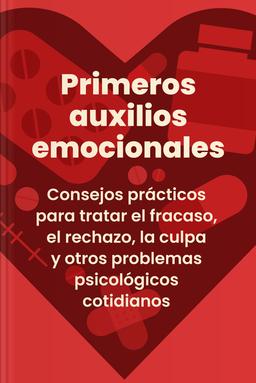
  • Dr. Guy Winch's 'Emotional First Aid' treats guilt like an emotional injury that needs proper care, not just time. He explains that unprocessed guilt becomes toxic when you replay scenarios endlessly without resolution.

  • 'The Now Habit' by Dr. Neil Fiore explores how guilt feeds procrastination — you feel bad about not starting, so you avoid starting, which makes you feel worse. Fiore breaks this cycle by reframing guilt as a signal, not a life sentence.

  • Carolyn Elliott's 'Existential Kink' takes a wild approach: what if you're unconsciously enjoying your guilt? Elliott argues that we sometimes cling to negative feelings because they serve a hidden purpose — maybe guilt makes you feel morally superior, or it gives you an excuse not to try. This idea sounds strange until you start noticing patterns in your own life.

  • Dr. Norman Vincent Peale's 'The Power of Positive Thinking' suggests a different angle. He points out that guilt thrives when you focus on past failures instead of current possibilities. Peale's advice isn't about ignoring what you did — it's about choosing where to direct your mental energy.

Books on guilt and shame that help you stop apologizing for existing

Books on guilt and shame reveal how these two emotions work differently. Guilt says, "I did something bad." Shame says, "I am bad." 

Dr. Susan Forward's 'Emotional Blackmail' shows how manipulative people exploit this difference, using your guilt to control your behavior.

Sheryl Sandberg's 'Option B' came from personal tragedy — her husband's sudden death. Sandberg wrestled with survivor's guilt and the shame of not "moving on" fast enough. She learned that grief and guilt don't follow timelines, and that self-compassion isn't selfish.

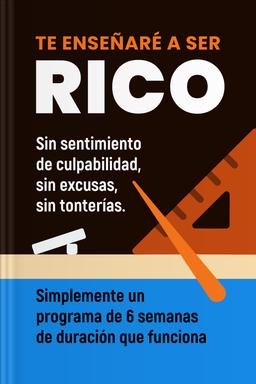
'I Will Teach You to Be Rich' by Ramit Sethi addresses financial guilt, particularly for those raised with scarcity mindsets. Sethi points out that guilt about spending money on yourself often stems from shame about deserving good things. He teaches readers to distinguish between wise financial choices and emotional self-punishment.

Dr. Guy Winch notes in 'Emotional First Aid' that shame isolates us because we believe we're uniquely flawed. 

Books on guilt and shame work because they show you're not alone — and that healing doesn't require perfection, just honesty about where you are now.

Find your next read with a short quiz

All the best books on topic

What is Primeros auxilios emocionales - Consejos prácticos para tratar el fracaso, el rechazo, la culpa y otros problemas psicológicos cotidianos about?

Este libro ofrece estrategias prácticas para abordar y superar emociones difíciles como el fracaso, el rechazo y la culpa. A través de consejos accesibles y efectivos, el autor anima al lector a cuidar su salud emocional y a enfrentar problemas psicológicos cotidianos, promoviendo un enfoque proactivo hacia el bienestar mental. Ideal para quienes buscan herramientas para mejorar su vida emocional.

Who should read Primeros auxilios emocionales - Consejos prácticos para tratar el fracaso, el rechazo, la culpa y otros problemas psicológicos cotidianos

  • Personas buscando mejorar su bienestar emocional.
  • Profesionales de la salud mental y terapeutas.
  • Estudiantes interesados en psicología y desarrollo personal.
book

What is Kink existencial - Desenmascara a tu sombra y aprovecha tu poder about?

Este libro invita al lector a explorar y confrontar sus sombras internas para desbloquear su verdadero potencial. A través de técnicas prácticas y reflexiones profundas, se desafían las limitaciones autoimpuestas y se fomenta un viaje hacia la autenticidad. Con un enfoque en la aceptación de las partes más oscuras de uno mismo, la autora ofrece herramientas para transformar el miedo en poder personal y vivir de manera más plena y consciente.

Who should read Kink existencial - Desenmascara a tu sombra y aprovecha tu poder

  • Personas en búsqueda de autoconocimiento y empoderamiento.
  • Lectores interesados en la psicología del crecimiento personal.
  • Aficionados a la espiritualidad y desarrollo emocional.
book

What is Te enseñaré a ser rico - Sin culpa. Sin excusas. Sin tonterías. Solo un plan de 6 semanas que funciona about?

Este libro ofrece un enfoque pragmático y sin complicaciones para gestionar las finanzas personales. A través de un plan de seis semanas, el autor motiva al lector a adoptar hábitos financieros saludables, a ahorrar e invertir de manera inteligente, y a eliminar creencias limitantes sobre el dinero. Con consejos prácticos y estrategias efectivas, busca transformar la relación de las personas con sus finanzas, impulsándolas hacia una vida más rica y plena.

Who should read Te enseñaré a ser rico - Sin culpa. Sin excusas. Sin tonterías. Solo un plan de 6 semanas que funciona

  • Jóvenes profesionales que buscan mejorar sus finanzas personales.
  • Personas con deudas que desean alcanzar la estabilidad económica.
  • Emprendedores que necesitan estrategias efectivas para invertir.
book

Frequently asked questionson books about guilt

What are the three types of guilt?

There are three types of guilt. Healthy guilt occurs when we have actually made a mistake and want to fix the situation – it motivates us to act. Toxic guilt occurs for no reason or lasts too long, debilitating and paralyzing. Social guilt is related to the expectations of others, when we are afraid of disappointing them.

What is the #1 saddest book?

'A Little Life' by Hanya Yanagihara is often cited as one of the saddest books. It follows four friends in New York, particularly Jude, who carries trauma and guilt throughout his life. The book explores how past abuse shapes identity and relationships. It's emotionally devastating but shows how people survive unimaginable pain, though not always in healthy ways.

How to cope with the feeling of guilt?

Start by asking if your guilt is proportional to what happened. If you hurt someone, apologize and make amends where possible. If you can't fix it, forgive yourself anyway. Write down what you learned from the situation. Talk to someone who won't judge you. Guilt loses power when you stop hiding it and start treating it as information, not identity.

What is excessive guilt a symptom of?

Excessive guilt often signals depression, anxiety disorders, or trauma responses. It can also indicate emotional manipulation if someone taught you to feel responsible for their feelings. People raised in dysfunctional families frequently develop guilt as a coping mechanism. If guilt interferes with daily life or you apologize constantly for minor things, consider talking to a therapist about where this pattern started.

How to overcome guilt and shame?

Separate what you did from who you are. Guilt responds to action — apologize, change behavior, or accept that you can't fix the past. Shame requires self-compassion. Speak to yourself as you would to a friend. Notice when you're rehearsing old mistakes instead of living your actual life. Read books that normalize struggle. Healing isn't about never feeling bad again — it's about not letting those feelings run your life.

What is the root of guilt and shame?

Guilt and shame often root in childhood experiences where love felt conditional. If caregivers punished mistakes harshly or withdrew affection when you weren't "good," you learned that your worth depends on perfection. Cultural and religious messages can also instill guilt about desires, anger, or ambition. Shame grows when you internalize criticism and start policing yourself before others do.

What is the best book for healing shame?

The best book for healing shame is ‘The Gifts of Imperfection’ by Brené Brown. It gently shows that shame grows where we hide our flaws. Brown teaches us to accept ourselves without masks and build inner support. It is easy to read, but it works deeply, like a little therapy in a non-fiction format.

What does Brené Brown say about shame and guilt?

Brené Brown distinguishes between guilt (I did something wrong) and shame (I am bad). She argues that guilt can motivate positive change, but shame never does — it only makes people hide and disconnect from others. Brown emphasizes that shame thrives in secrecy and judgment, so discussing it with trusted people breaks its power. She encourages practicing self-compassion and recognizing that everyone experiences shame.