Crece cada día con un plan personalizado. Empieza aquí

11 Energizing Reads to Illuminate Your Outlook on Life

Dragging yourself through days that blur together? Your energy problem isn't about sleep or coffee — it's about what's fueling your brain. Energy books tackle everything from personal vitality and mental stamina to the literal power grids reshaping our planet. Some teach you how to stop feeling drained by 2 pm. Others expose the energy systems controlling modern life in ways most people never question. These reads don't just inform you — they rewire how you think about power, both the kind running through your body and the kind running the world.

Why energy books hit differently than typical self-help

Energy books force you to confront an uncomfortable truth: You're probably wasting most of yours. Not just physical energy — your attention, your willpower, and your actual capacity to do things that matter. These aren't your standard "morning routine" books. They dig into why you crash after lunch, why some tasks drain you while others energize you, and why willpower is a terrible strategy for anything important.

And this range surprises people. Here, you'll find books dissecting personal energy management, so you see ways to structure your day around your natural rhythms instead of fighting them. Other texts explore the science of burnout and why "hustle culture" is literally breaking down people's bodies. Some energy books even zoom out entirely and examine fossil fuels, renewable power, and the infrastructure keeping your lights on (or not, depending on where you live). 

These kinds of books connect dots you've never considered. Like how your diet affects your mental clarity more than your focus techniques ever will. Or how the energy industry's decisions decades ago created the climate mess we're in now. Reading energy books means accepting that you've been managing your most valuable resource poorly, and that's actually good news because it means you can fix it.

Ways you can pick the best books about energy for your needs

The best books about energy depend entirely on what's draining you right now. Feeling physically exhausted despite sleeping enough? Look for reads covering nutrition and how modern life sabotages your natural energy cycles. Mentally fried from too many decisions and distractions? Find books about cognitive load and why multitasking is killing your productivity. 

The best books about energy give you frameworks, not just inspiration. They explain why you feel a certain way, then show you exactly what to change. To illustrate, the science-based ones cite actual research instead of recycling the same tired advice. The ones about global energy systems don't just complain about climate change — they break down realistic solutions and the political barriers blocking them. 

Seek out books that challenge your assumptions. Maybe your energy problem isn't discipline — it's that you're doing work that fundamentally misaligns with your values. Maybe renewable energy isn't as simple or as impossible as you thought. Or maybe that "always be grinding" mentality you admired is actually a fast track to collapse. 

Try Headway's 15-minute summaries to preview which energy books are worth your full attention — some will resonate immediately, others won't, and that's fine.

Find your next read with a short quiz

All the best books on topic

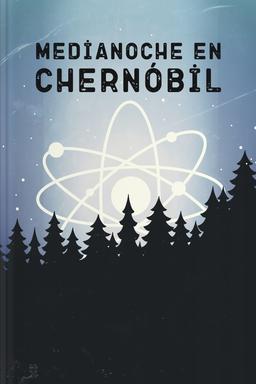
What is Medianoche en Chernóbil - La historia no contada de la mayor catástrofe nuclear del mundo about?

Este libro ofrece un relato exhaustivo de la catástrofe de Chernóbil, explorando sus causas y consecuencias a través de testimonios de quienes vivieron el desastre. Se ahonda en el ambiente político y social de la época, revelando secretos y decisiones fatales que llevaron a la tragedia. A través de una narrativa envolvente, se iluminan las vidas de las personas afectadas y el impacto duradero de la crisis nuclear.

Who should read Medianoche en Chernóbil - La historia no contada de la mayor catástrofe nuclear del mundo

  • Amantes de la historia contemporánea y eventos trágicos.
  • Estudiantes de ciencias nucleares y energía.
  • Lectores interesados en desastres ambientales y sus consecuencias.
book

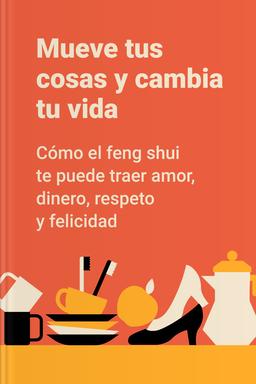
What is Mueve tus cosas y cambia tu vida - Cómo el feng shui te puede traer amor, dinero, respeto y felicidad about?

Este libro explora cómo el feng shui puede transformar tu entorno y, a su vez, tu vida. A través de consejos prácticos y técnicas eficaces, la autora guía a los lectores para reorganizar sus espacios y atraer amor, prosperidad y bienestar. Con un enfoque accesible, se ofrece una perspectiva única sobre cómo el orden y la armonía en el hogar pueden contribuir a una vida más plena y feliz.

Who should read Mueve tus cosas y cambia tu vida - Cómo el feng shui te puede traer amor, dinero, respeto y felicidad

  • Amantes del feng shui y la autoayuda.
  • Personas en busca de mejorar su vida personal.
  • Lectores interesados en transformación y bienestar.
book

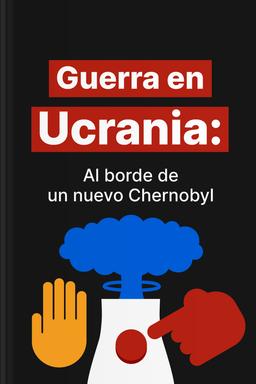
Al borde de un nuevo Chernobyl

by basado en artículos de Vox, BBC, The New York Times, The Guardian, Vice, Politico y Radio Liberty

What is Al borde de un nuevo Chernobyl about?

Este libro explora los riesgos nucleares actuales y futuros, analizando de manera crítica la seguridad de las plantas nucleares y las posibles catástrofes globales. A través de artículos de diversas fuentes acreditadas, se aborda la historia y las lecciones aprendidas del desastre de Chernobyl, resaltando la importancia de la regulación y la atención pública hacia la energía nuclear en un mundo cambiante.

Who should read Al borde de un nuevo Chernobyl

  • Interesados en la crisis nuclear moderna.
  • Lectores preocupados por la seguridad energética.
  • Defensores del medio ambiente y cambio climático.
book

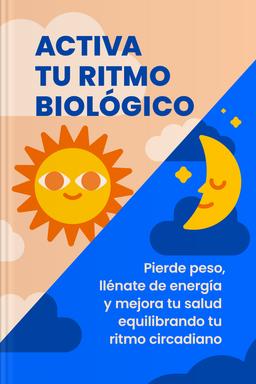
What is Activa tu ritmo biológico about?

Este libro explora la ciencia del ritmo circadiano y cómo influye en nuestra salud y bienestar. El autor ofrece estrategias prácticas para sincronizar nuestros hábitos diarios con los ciclos naturales del cuerpo, lo que puede mejorar el sueño, la alimentación y la energía. A través de investigaciones recientes, se destaca la importancia de la luz y el tiempo en la regulación de nuestras funciones biológicas.

Who should read Activa tu ritmo biológico

  • Personas interesadas en la salud y bienestar
  • Lectores que buscan mejorar su sueño
  • Amantes de la ciencia del ritmo circadiano
book

Frequently asked questions about books on energy

What are the best books about energy?

'The Power of Full Engagement' by Jim Loehr and Tony Schwartz tackles managing personal energy. 'Why We Sleep' by Matthew Walker connects sleep quality to vitality. 'Atomic Habits' by James Clear shows how tiny changes preserve energy long-term. 'The Energy Bus' by Jon Gordon uses storytelling for workplace energy and positivity. For global energy, try 'The Quest' by Daniel Yergin.

What are five books everyone should read?

'Sapiens' by Yuval Noah Harari reframes human history. 'Thinking, Fast and Slow' by Daniel Kahneman explains how your brain actually works. 'Man's Search for Meaning' by Viktor Frankl finds purpose in suffering. 'The Almanack of Naval Ravikant' by Eric Jorgenson distills wisdom on wealth and happiness. 'Deep Work' by Cal Newport teaches focus in a distracted world. These reshape how you see everything.

Who is the best source of energy?

There's no single "best" source, since it depends on the context. Solar works great in sunny regions. Nuclear provides reliable baseload power, but costs billions upfront. Wind scales well in coastal areas. Hydroelectric is fantastic where geography permits. For your body, whole foods beat supplements. For your mind, deep work beats shallow busywork.

What are the four major energy sectors?

Electricity generation produces power for homes and businesses. Transportation runs on petroleum for vehicles, ships, and planes. Industrial energy powers manufacturing and construction. Residential and commercial covers heating, cooling, and appliances. 

What are the seven major sources of energy?

Coal, oil, and natural gas are dominant. Nuclear fission provides carbon-free power but faces cost issues. Hydroelectric dams generate electricity where rivers permit. Solar panels convert sunlight. Wind turbines capture kinetic energy. As of 2025, the shift from fossil fuels to renewable energy remains one of the most urgent and defining transitions of our time.

What are the 9 types of energy?

Energy transforms, but here are nine types you should know:

  1. Kinetic energy

  2. Potential energy

  3. Thermal energy

  4. Chemical energy

  5. Electrical energy

  6. Nuclear energy

  7. Radiant energy

  8. Sound energy

  9. Elastic energy

Remember that energy types can change. For example, your body converts chemical energy from food into kinetic energy for movement.