Crece cada día con un plan personalizado. Empieza aquí

19 Best Diet Books for Achieving Your Fitness Goals

You've tried cutting carbs, skipping meals, and following influencers who swear by detox teas. Yet here you are, still googling "why am I not losing weight?" Here's the truth: most diet advice is either overly complicated or simply incorrect. 

The best diet books cut through the noise with science-backed strategies that actually work. Authors like Dr. Michael Greger in 'How Not to Diet' and Dr. Mark Hyman in 'Food' prove that sustainable weight loss isn't about willpower — it's about understanding how your body responds to different foods. These 19 books will teach you to eat smarter, not less.

Diet books to transform your eating habits

Reading the best diet books gives you something fad diets never will: knowledge that lasts beyond the next meal plan. You learn why your body stores fat, how different foods affect your hormones, and what actually happens when you eat that donut (spoiler: it's not just "bad").

Take T. Colin Campbell's 'The China Study.' This massive research project tracked health outcomes across rural China and found that plant-based diets significantly reduced the incidence of chronic disease. Or consider Dr. Robert Lustig's 'Fat Chance,' which exposes how sugar hijacks your brain chemistry. These aren't opinions from someone's Instagram — they're decades of scientific research you can actually use.

The best part? You stop falling for marketing gimmicks. When you understand nutrition at a deeper level, you see through "low-fat" labels and "metabolism-boosting" supplements. 

Dr. Michael Mosley's 'The Fast Diet' explains intermittent fasting with actual clinical data, not testimonials from people who also started CrossFit and quit drinking. You make choices based on how food works in your body, not because someone on TikTok said so.

Best diet books that make healthy eating simple

Books on diet simplify what the wellness industry deliberately complicates. These authors take complex biochemistry and turn it into meals you can cook on a Tuesday night after work.

'Food' by Dr. Mark Hyman details exactly which foods reduce inflammation, and which foods promote it, without the vague charge of "eating clean," but connects the food you eat to how you feel. Hyman answers questions like why some individuals do well on high-fat diets while some need more carbohydrates. Individualized nutrition doesn't require expensive testing or people for consultations.

The key is practical application. These book picks don't just tell you what to eat — they explain why your past diets failed. 'How Not to Diet' by Dr. Michael Greger reviews thousands of weight-loss studies to identify what actually moves the scale. Turns out, meal timing matters. Food volume matters. Even the order you eat your vegetables matters. Minor tweaks, backed by research, that add up to real results.

You'll also learn to navigate real life. The best diet books acknowledge that you'll eat birthday cake and drink wine with friends. They teach you how to bounce back without spiraling into guilt or giving up entirely. That's the difference between a diet book and a lifestyle guide — one assumes perfection, the other assumes you're human.

Find your next read with a short quiz

All the best books on topic

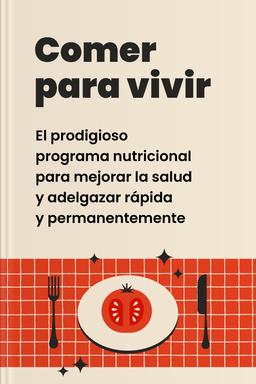
What is Comer para vivir - El prodigioso programa nutricional para mejorar la salud y adelgazar rápida y permanentemente about?

Este libro ofrece un enfoque revolucionario sobre la nutrición y la salud, enfatizando la importancia de una alimentación basada en vegetales. Propone un programa práctico que ayuda a las personas a adelgazar de manera efectiva y a mejorar su salud a largo plazo. A través de recetas y consejos, el autor guía al lector para hacer cambios sostenibles en su dieta, promoviendo así un estilo de vida más saludable y pleno.

Who should read Comer para vivir - El prodigioso programa nutricional para mejorar la salud y adelgazar rápida y permanentemente

  • Personas interesadas en mejorar su salud nutricional.
  • Aquellos que desean perder peso de manera efectiva.
  • Lectores en busca de soluciones alimenticias para enfermedades.
book

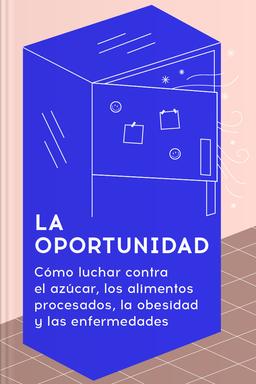
What is La gran oportunidad - Cómo luchar contra el azúcar, los alimentos procesados, la obesidad y las enfermedades about?

Este libro explora los peligros del azúcar y los alimentos procesados, analizando su impacto en la salud y la obesidad. A través de evidencia científica y casos prácticos, ofrece estrategias para combatir estos problemas, fomentando un estilo de vida saludable. El autor aboga por la educación sobre la nutrición y la importancia de tomar decisiones informadas para prevenir enfermedades relacionadas con una mala alimentación.

Who should read La gran oportunidad - Cómo luchar contra el azúcar, los alimentos procesados, la obesidad y las enfermedades

  • Padres interesados en la salud de sus hijos.
  • Personas que luchan contra la obesidad y enfermedades.
  • Nutricionistas buscando nuevas estrategias para el bienestar.
book

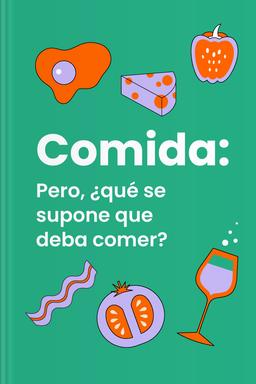
What is Comida - Pero, ¿qué se supone que deba comer? about?

Este libro explora la relación entre la alimentación y la salud, ofreciendo una guía práctica sobre qué alimentos son realmente nutritivos y beneficiosos para el cuerpo. El autor desafía mitos comunes y propone un enfoque basado en la ciencia para elegir lo que debemos comer, ayudando al lector a tomar decisiones informadas y mejorar su bienestar general.

Who should read Comida - Pero, ¿qué se supone que deba comer?

  • Personas interesadas en la nutrición saludable.
  • Lectores que buscan mejorar su dieta diaria.
  • Amantes de la cocina consciente y saludable.
book

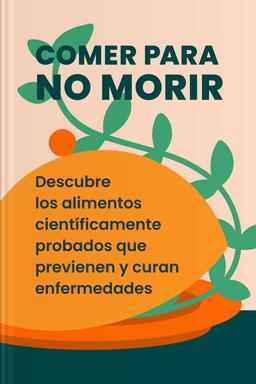
What is Comer para no morir - Descubre los alimentos científicamente probados que previenen y curan enfermedades about?

Este libro explora cómo una alimentación basada en plantas puede prevenir y curar enfermedades. A través de estudios científicos, el autor presenta alimentos específicos que mejoran la salud y prolongan la vida. La obra ofrece consejos prácticos para incorporar estos alimentos en la dieta diaria, promoviendo un estilo de vida saludable y sostenible. Además, se abordan mitos sobre la nutrición y se destacan los beneficios de una alimentación consciente.

Who should read Comer para no morir - Descubre los alimentos científicamente probados que previenen y curan enfermedades

  • Personas interesadas en salud y bienestar.
  • Aficionados a la nutrición y la alimentación saludable.
  • Pacientes buscando alternativas para prevenir enfermedades.
book

Frequently asked questions on diet books

What is the best book to help you lose weight?

'How Not to Diet' by Michael Greger is a science-based guide to losing weight without dieting. The author explains how food, eating habits, and lifestyle affect weight, offering practical, research-based strategies for losing weight without resorting to starvation and maintaining long-term health.

What is the 30/30/30 rule for weight loss?

The 30-30-30 rule for weight loss suggests a meal structure of 30% protein, 30% fat, and 30% complex carbohydrates at each meal (the rest is fiber and water). This helps control appetite, maintain energy, and burn calories steadily, without crash diets or hunger.

What is the 2 2 2 rule for weight loss?

The 2-2-2 rule for weight loss involves fasting for two hours after waking up, engaging in two hours of physical activity per day, and drinking two liters of water daily. This simple approach helps control appetite, boost metabolism, and maintain water balance, creating the conditions for gradual and safe weight loss.

What is the most successful diet for weight loss?

The Mediterranean diet is considered one of the most successful for weight loss. This diet contains high quantities of vegetables, fruits, whole grains, fish, and olive oil, but limited processed foods and sugar. Research has shown that it can achieve sustainable weight loss and improve cardiovascular health, and provides the most benefits in the long term.

What is the 3-3-3 rule for weight loss?

Using the 3-3-3 rule for weight loss means eating three small meals per day, at least three portions of protein at each meal, and doing three minutes of active exercise after each meal. This will help you regulate hunger, preserve muscle mass, and get your digestive system moving towards achieving simple and healthy weight loss over time.