Crece cada día con un plan personalizado. Empieza aquí

5 Best Books on Codependency

Best books on codependency to help you reclaim yourself

Are you continuing to prioritize everyone else's needs while your needs sit in the corner collecting dust? Your relationships feel like constant work, yet somehow you're still afraid they'll fall apart without you? Books about codependency can help you spot these patterns and start untangling them. Whether you're dealing with a controlling partner, people-pleasing at work, or constantly worrying about what others think, there's a book that gets it. Let's find the one that speaks to where you are right now.

Books about codependency that address different relationship struggles

Books about codependency don't all tackle the same issues, and that's actually helpful. Some focus on romantic relationships where you've lost yourself trying to fix someone who doesn't want fixing. Others explore family dynamics where guilt and obligation feel like chains you can't break.

Melody Beattie's 'Codependent No More' became a classic because it speaks to anyone who's exhausted from managing other people's lives. You'll recognize yourself in the stories of people who finally learned to stop rescuing others and start caring for themselves. Jackson MacKenzie's 'Psychopath Free' takes a different angle, helping you recover from relationships with manipulative people who made you doubt your own reality.

For those drowning in family drama, Nedra Glover Tawwab's 'Drama Free' teaches you how to set boundaries without feeling like the villain. Susan Forward's 'Emotional Blackmail' shows you the tactics people use to control you through fear, obligation, and guilt. And if you're someone who keeps choosing unavailable partners, Robin Norwood's 'Women Who Love Too Much' explains why you're drawn to relationships that hurt. These aren't just self-help books. They're mirrors that help you see what you've been too close to notice.

Best books on codependency ranked by what you're struggling with most

The best books on codependency work because they meet you where you actually are, not where you think you should be. If you're just starting to realize something's off in your relationships, Beattie's work gives you the foundation. It names what codependency actually is — that chronic need to control outcomes you can't control, that belief that if you just try harder, things will be different.

But maybe you're past the basics and dealing with someone who twists every conversation. Forward's book on emotional blackmail becomes your decoder ring for understanding manipulation tactics. You'll learn to spot FOG (fear, obligation, guilt) and how to respond without getting sucked back in. MacKenzie's book goes even deeper for those recovering from relationships with people who have no empathy. It's not about diagnosis — it's about healing after someone treated your feelings like they didn't matter.

Tawwab speaks directly to people who grew up in families where saying no was seen as betrayal. Her practical approach helps you set limits without the guilt spiral that usually follows. Norwood's book resonates with women who keep choosing partners who need fixing, showing the childhood roots of why love feels like suffering.

Find your next read with a short quiz

All the best books on topic

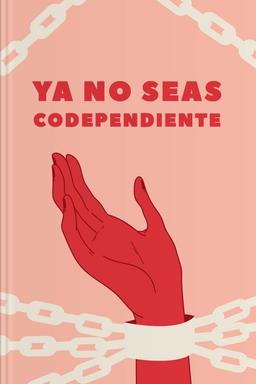
What is Codependencia - Cómo dejar de controlar a los demás y empezar a ocuparse de sí mismo about?

Este libro explora el concepto de la codependencia, ofreciendo herramientas y estrategias para aquellos que luchan con relaciones disfuncionales. A través de relatos y ejercicios, invita a los lectores a reconocer comportamientos destructivos y a priorizar su propio bienestar emocional. La autora guía hacia la sanación personal, enfatizando la importancia de dejar de controlar a los demás y centrar la atención en el autocuidado.

Who should read Codependencia - Cómo dejar de controlar a los demás y empezar a ocuparse de sí mismo

  • Personas en relaciones tóxicas buscando sanación personal.
  • Profesionales de la salud mental y terapeutas en formación.
  • Lectores interesados en el crecimiento personal y la autoayuda.
book

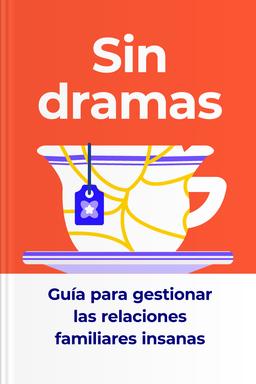
What is Sin dramas - Guía para gestionar las relaciones familiares insanas about?

Esta guía aborda la gestión de relaciones familiares difíciles y tóxicas, ofreciendo herramientas y estrategias para establecer límites saludables. A través de ejemplos prácticos y consejos accesibles, ayuda a los lectores a identificar patrones dañinos y a mejorar la comunicación en su entorno familiar. La autora fomenta el autoconocimiento y el crecimiento personal como pilares esenciales para construir conexiones más sanas y satisfactorias.

Who should read Sin dramas - Guía para gestionar las relaciones familiares insanas

  • Padres que buscan mejorar su dinámica familiar.
  • Adultos en relaciones familiares conflictivas.
  • Terapeutas que trabajan con conflictos familiares.
book

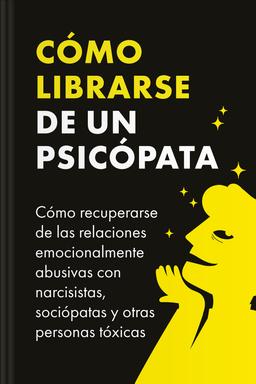
What is Cómo librarse de un psicópata - Cómo recuperarse de las relaciones emocionalmente abusivas con narcisistas, sociópatas y otras personas tóxicas about?

Este libro proporciona herramientas y estrategias para reconocer y liberarse de relaciones abusivas con psicópatas, narcisistas y personas tóxicas. A través de su narrativa, el autor comparte experiencias y consejos prácticos para sanar y recuperarse emocionalmente. Es una guía esencial para quienes buscan reconstituir su vida tras una relación dañina, fomentando la autoestima y el bienestar personal.

Who should read Cómo librarse de un psicópata - Cómo recuperarse de las relaciones emocionalmente abusivas con narcisistas, sociópatas y otras personas tóxicas

  • Personas que sufren relaciones tóxicas.
  • Víctimas de abuso emocional.
  • Interesados en salud mental y bienestar.
book

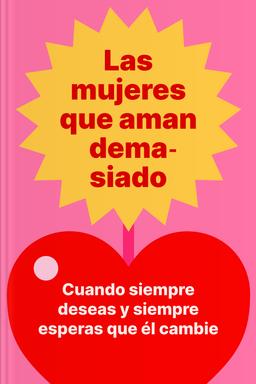
What is Las mujeres que aman demasiado - Cuando siempre deseas y siempre esperas que él cambie about?

Este libro explora la complejidad del amor y la dependencia emocional en las mujeres. A través de relatos y reflexiones, la autora ofrece una mirada profunda sobre el comportamiento de aquellas que se sienten atrapadas en relaciones destructivas. Proporciona herramientas para entender y superar patrones dañinos, alentando a las lectoras a buscar su propio bienestar y a romper con los ciclos de expectativa y sufrimiento en el amor.

Who should read Las mujeres que aman demasiado - Cuando siempre deseas y siempre esperas que él cambie

  • Mujeres que luchan con relaciones tóxicas.
  • Personas en busca de amor propio.
  • Lectores interesados en la superación personal.
book

Frequently asked questions about books on codependency

What is the best book to read on codependency?

'Codependent No More' by Melody Beattie remains the go-to starting point for understanding codependent patterns. It covers the fundamentals without overwhelming you with psychology jargon. However, the "best" book depends on your specific situation — whether you're dealing with manipulation, family drama, or romantic relationships that drain you.

What are the 4 types of codependency?

Codependency shows up as caretaking (fixing everyone's problems), people-pleasing (saying yes when you mean no), control (managing others to ease your anxiety), and denial (ignoring your own needs and feelings). You might recognize one type or see yourself in all four. These patterns often overlap and shift depending on the relationship.

What is the root cause of codependency?

Most codependency traces back to childhood environments where your needs weren't consistently met. Maybe you learned that love meant sacrifice, or that taking care of others kept you safe. You might have grown up around addiction, abuse, or emotional neglect. These early experiences taught you that your value depends on what you do for others.

What is codependency called now?

Mental health professionals still use "codependency," though some prefer terms like "relationship addiction" or "enmeshment." The core concept hasn't changed — it's about losing yourself in relationships and making others' feelings your responsibility. Some therapists focus on "attachment issues" or "boundary problems" instead, but they're describing the same struggles with different language.

What is the core wound of codependency?

The core wound is believing you're not enough as you are. You learned early that your worth comes from what you provide, not who you are. This drives the constant need to prove your value through helping, fixing, or people-pleasing. Until you address this fundamental belief — that you matter even when you're not useful — codependent patterns keep showing up.