Crece cada día con un plan personalizado. Empieza aquí

19 Boundaries Books for Establishing Healthy Relationships

Setting boundaries isn't selfish! Whether you're constantly saying yes when you mean no, feeling drained by toxic relationships, or struggling to protect your time and energy, learning to establish healthy boundaries can transform your life. 

The groundbreaking work 'Boundaries' by Dr. Henry Cloud and Dr. John Townsend has helped millions understand that boundaries are about self-respect. Books like Damon Zahariades' 'The Art of Saying NO' offer practical strategies to reclaim your power without guilt. These 19 essential books will guide you toward healthier, more fulfilling relationships.

Books about boundaries 

Personal boundaries are invisible lines you set around yourself to protect your physical, emotional, and mental well-being. They define who you are, what you stand for, and what you are willing (or unwilling) to accept from others. 

Books about boundaries help readers understand and establish limits to maintain healthy connections and self-esteem. Boundaries form in childhood through interactions with caregivers, family members, and peers. And it's these observations and experiences that teach children about acceptable and unacceptable behavior. 

Without boundaries, we rarely know exactly how to respond to unsolicited advice or comments. Or how to correctly refuse unwanted offers or requests. Or how to explain that at certain times we need to be alone. Only when we realize the importance of boundaries do we respect our own space and privacy, and that of others. 

Here are some common signs that you need to evaluate your boundaries:

  • You feel taken advantage of emotionally, financially, or physically in certain situations.

  • You say 'yes' to please others at your own expense.

  • Your needs are unmet because you tend to fear conflict and give in to others.

Understanding boundaries is important to ensuring that communication does not cause negative emotions. From the very beginning of any relationship, it is vital to make it clear that you are a separate person with your own interests, needs, and clearly defined boundaries.

Best books on boundaries

Are your personal boundaries constantly being violated? Do you have to communicate with people you don't like, go to a job you dream of quitting, or continuously endure other people's advice? It's time to change the rules of the game. And set boundaries.

Read the best books on boundaries to better understand and maintain your personal and emotional limits. Setting and maintaining boundaries can be difficult, but it increases your self-esteem and self-worth by allowing you to prioritize your needs. 

When your emotional boundaries are respected, you feel worthy and safe. Healthy personal boundaries make life more predictable because you know what to expect from other people and what they expect from you. Violation of emotional boundaries can lead to feelings of depression, fear, and anxiety.

The following books on boundaries can shine a brighter light on the mechanisms of forming, protecting, and strengthening your psychological boundaries and their impact on the quality of your life and relationships.

Find your next read with a short quiz

All the best books on topic

What is Hijos adultos de padres emocionalmente inmaduros - Cómo recuperarse del distanciamiento, del rechazo o de los padres autoinvolucrados about?

Este libro ofrece una guía para aquellos que han crecido con padres emocionalmente inmaduros. A través de consejos prácticos y estrategias, ayuda a los lectores a comprender el impacto de esta relación en su vida adulta y les enseña a sanar de experiencias de distanciamiento y rechazo. A través de la auto-reflexión, se busca fomentar la independencia emocional y mejorar las relaciones personales.

Who should read Hijos adultos de padres emocionalmente inmaduros - Cómo recuperarse del distanciamiento, del rechazo o de los padres autoinvolucrados

  • Adultos buscando sanar relaciones familiares complicadas.
  • Personas enfrentando el impacto de la inmadurez emocional paterna.
  • Lectores interesados en la salud emocional y el autocrecimiento.
book

What is Hábitos osados - Cultiva la conciencia, los límites y las mejoras diarias para lograr mantenerlos about?

Este libro aborda cómo desarrollar hábitos audaces que transformen la vida diaria. A través de consejos prácticos y reflexiones profundas, invita a los lectores a cultivar la consciencia, establecer límites y realizar mejoras continuas. La autora comparte herramientas para superar miedos y alcanzar metas, fomentando una mentalidad positiva y proactiva que impulsa el crecimiento personal y la autodisciplina.

Who should read Hábitos osados - Cultiva la conciencia, los límites y las mejoras diarias para lograr mantenerlos

  • Personas que buscan mejorar su auto-disciplina.
  • Lectores interesados en el desarrollo personal y hábitos.
  • Aquellos que desean superar sus límites diarios.
book

What is Límites - Cuando decir «sí», cuando decir «no». Tome el control de su vida about?

Este libro ofrece herramientas prácticas para establecer límites saludables en diferentes aspectos de la vida, como relaciones personales y profesionales. Los autores analizan la importancia de aprender a decir "sí" o "no" en situaciones difíciles y ayudan al lector a recuperar el control de su vida. A través de ejemplos y consejos, se fomenta un crecimiento personal que promueve el respeto propio y el bienestar emocional.

Who should read Límites - Cuando decir «sí», cuando decir «no». Tome el control de su vida

  • Personas que buscan establecer límites saludables.
  • Aquellos que enfrentan dificultades en sus relaciones personales.
  • Lectores interesados en el crecimiento personal y autoayuda.
book

What is Codependencia - Cómo dejar de controlar a los demás y empezar a ocuparse de sí mismo about?

Este libro explora el concepto de la codependencia, ofreciendo herramientas y estrategias para aquellos que luchan con relaciones disfuncionales. A través de relatos y ejercicios, invita a los lectores a reconocer comportamientos destructivos y a priorizar su propio bienestar emocional. La autora guía hacia la sanación personal, enfatizando la importancia de dejar de controlar a los demás y centrar la atención en el autocuidado.

Who should read Codependencia - Cómo dejar de controlar a los demás y empezar a ocuparse de sí mismo

  • Personas en relaciones tóxicas buscando sanación personal.
  • Profesionales de la salud mental y terapeutas en formación.
  • Lectores interesados en el crecimiento personal y la autoayuda.
book

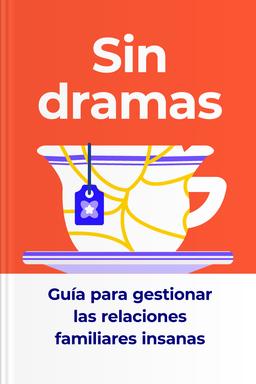
What is Sin dramas - Guía para gestionar las relaciones familiares insanas about?

Esta guía aborda la gestión de relaciones familiares difíciles y tóxicas, ofreciendo herramientas y estrategias para establecer límites saludables. A través de ejemplos prácticos y consejos accesibles, ayuda a los lectores a identificar patrones dañinos y a mejorar la comunicación en su entorno familiar. La autora fomenta el autoconocimiento y el crecimiento personal como pilares esenciales para construir conexiones más sanas y satisfactorias.

Who should read Sin dramas - Guía para gestionar las relaciones familiares insanas

  • Padres que buscan mejorar su dinámica familiar.
  • Adultos en relaciones familiares conflictivas.
  • Terapeutas que trabajan con conflictos familiares.
book

FAQs on books about boundaries

What is the best book on boundaries?

Among the best books on boundaries are: 'Adult Children of Emotionally Immature Parents' by Lindsay Gibson, and 'Boundaries: When to Say Yes, How to Say No to Control Your Life' by Dr. Henry Cloud and Dr. John Townsend. The books explain how to learn to protect your emotional, psychological, and physical boundaries without feeling guilty, and how to build healthy relationships.

What are the 4 C's of boundaries?

The 4 C's refer to the aspects of personal boundaries: Communication, Comfort, Control, and Consistency. These four elements describe the steps to establishing and maintaining healthy boundaries. A person with healthy boundaries clearly communicates their needs, sets comfortable boundaries, takes control over their own space, and consistently follows established rules.

What are the 5 normal boundaries in a relationship?

The five main types of boundaries in relationships are physical (personal space and touch), emotional (feelings), mental (thoughts, beliefs), temporal (time and energy), and social (type of relationship and communication). These boundaries determine how people interact with others and a person's willingness to share and protect themselves from discomfort or violation of their personal space.

What are the 7 types of boundaries?

These seven types of personal boundaries:

  1. Physical: the body and proximity

  2. Spiritual: faith and beliefs.

  3. Emotional: comfort and willingness to share

  4. Time: personal and work time

  5. Sexual: acceptable sexual behavior

  6. Financial: money and spending

  7. Intellectual: thoughts and ideas

What is the best therapy for setting boundaries?

The best therapy for setting boundaries is a comprehensive approach that includes psychotherapy (primarily cognitive behavioral therapy) to help you understand and express your needs. CBT also teaches practical communication skills, including the I-message technique, a clear No!, and effective assertion of your space.

What is the golden rule of boundaries?

The golden rule of personal boundaries says that setting and respecting your own limits is essential. It also says that you must respect other people's boundaries, recognize their need for personal space and emotional safety, and afford them the right to their own values ​​and needs.

What personality type has a lack of boundaries?

The INFJ personality (Introverted, Intuitive, Feeling, and Judging) often struggles with personal boundaries. INFJs have natural empathy, depth of feeling, and a desire to help others. They actually feel other people's emotions and often take on other people's pain or responsibilities, even when exhausting.