russia has launched a full-scale war in Ukraine. Donate to support Ukraine and protect the world’s peace.

387 Best Psychology Books

Books on psychology: A lighthouse in the storm of your mind

Books on psychology are like unmarked land discovery maps for your brain — except instead of an "X" marking the spot, it's more like, "Surprise! Here's where your quirks, random fears, and inexplicable midnight snack habits live." 

From cognitive psychology to emotional intelligence, psychology books give you a "backstage pass" into the VIP lounge of other people's minds. Yes, even that coworker who hums like a caffeinated hummingbird or your pet casually judging your life choices. 

Want to improve your habits without turning into a self-help chatbot? 'High Performance Habits' by Brendon Burchard offers practical strategies to level up your life quality. In 'The Code of the Extraordinary Mind,' Vishen Lakhiani encourages us to rethink our limits. 

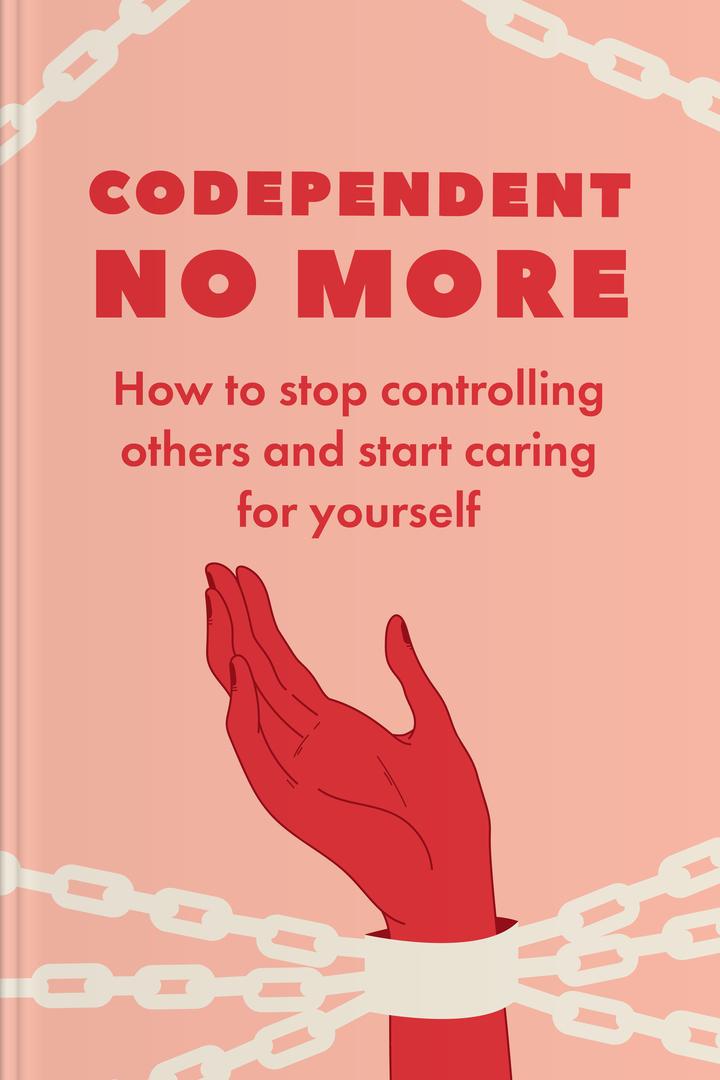
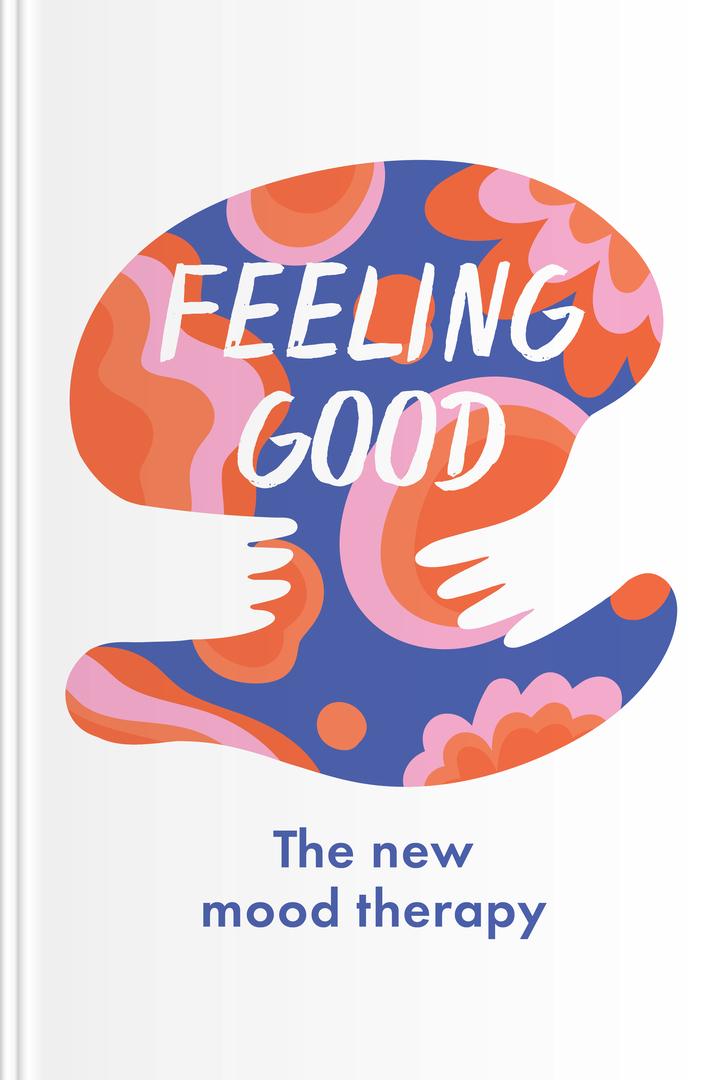
Do you feel emotionally tangled? 'Feeling Good' by David D. Burns, MD, uses cognitive behavioral techniques to lift your mood. At the same time, 'Codependent No More' by Melody Beattie shows you how to ditch toxic relationships and reclaim your personal freedom.

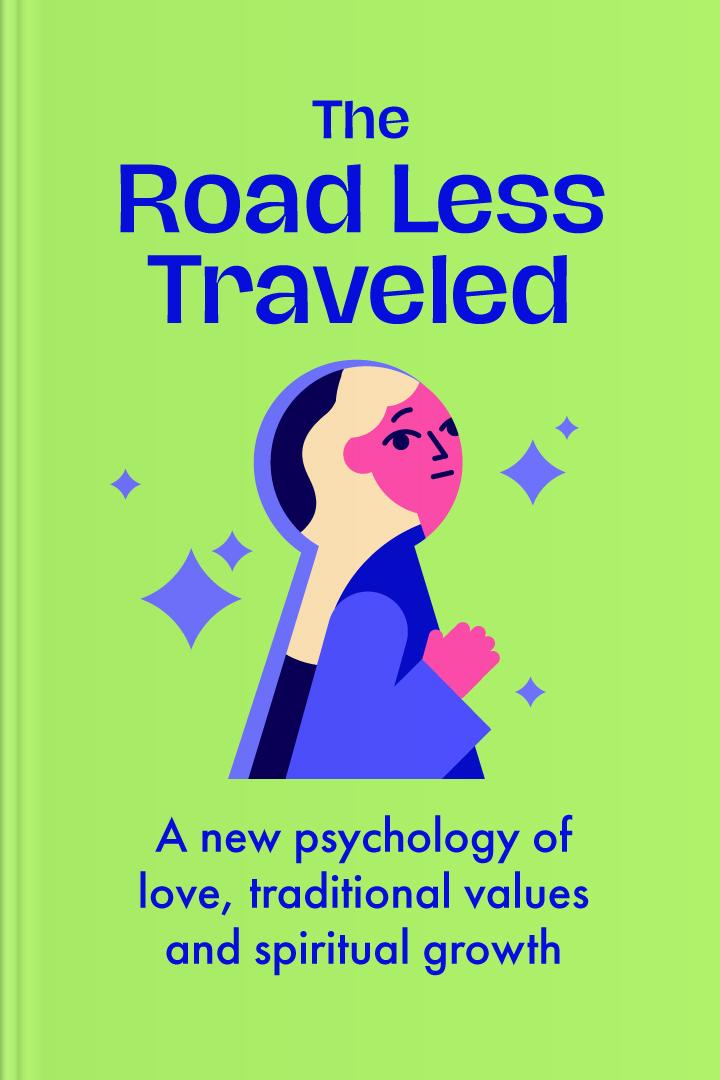
For a spiritual-meets-practical journey, M. Scott Peck's 'The Road Less Traveled' explores life's challenges from a fresh perspective. With 'The 5 Elements of Effective Thinking,' Edward B. Burger and Michael Starbird show how small shifts in thinking can grow into extraordinary problem-solving skills.

Diane Tavenner's 'Prepared' is especially recommended to parents and educators to nurture adaptability and resilience in children. Whatever your goal is, psychology books will remake brain science into applicable life hacks.

Understanding humans — yourself included — doesn't require genius, just curiosity, patience, and a notebook to track your "aha" moments.

Good psychology books that don't require a PhD

Looking for a good psychology book is like wandering through an orchard — except these "apples" can teach you how your brain tricks you instead of simply keeping you full. A truly life-changing psychology book equips you with relevant tools to survive the whirlwind of life. 

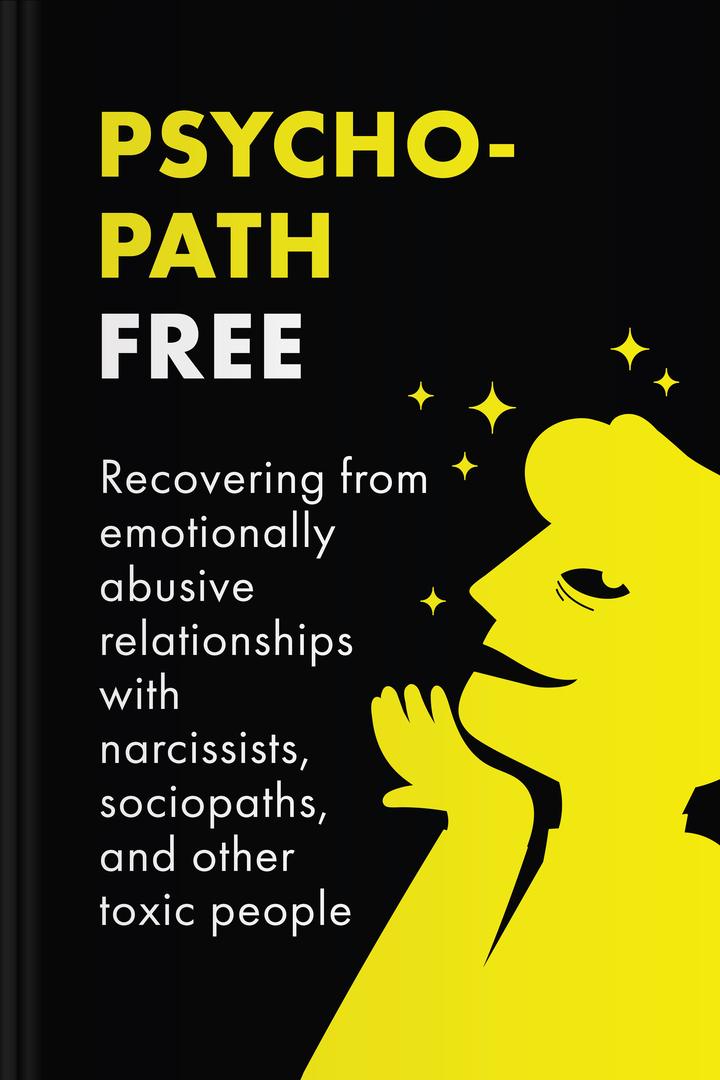
'Dare' by Barry McDonagh is a popular tactical manual for fighting anxiety and panic. 'Psychopath Free' by Jackson MacKenzie can be your guide if you ever need to recover from abuse. Barbara Oakley and Terrence Sejnowski's 'Learning How to Learn' reveals mental hacks for anything from advanced calculus to social media dancing challenges. 

'Think Straight' by Darius Foroux proves that simple mindset shifts can revive your lost focus. 'Make It Stick' by Peter C. Brown, Mark A. McDaniel, and Henry L. Roediger introduces evidence-based techniques to make learning work without endless cramming.

For a twist of espionage flair, 'A Spy's Guide to Thinking' by former intelligence officer John Braddock teaches data interpretation skills from the spy world, useful for work, school, or judging your in-laws. 

If you're interested in honest, genuine relationships, Mark Manson's 'Models: Attract Women Through Honesty' can show you the ropes on how to discern between pure manipulation and a sincere desire to connect with someone. 

Reading psychology books makes the mind less mysterious, all while helping you chuckle at the chaos of being human. No lab coat is needed — just a sense of humor and self-kindness while you keep finding your or your housemate's socks in strange places.

High Performance Habits

by Brendon Burchard

What is High Performance Habits about?

This book explores the habits that differentiate high performers from the rest, offering insights into their behaviors, mindsets, and strategies. Drawing on extensive research, it outlines six key habits crucial for achieving extraordinary success and fulfillment. With practical tips and exercises, readers are encouraged to develop their own effective habits, enhance their productivity, and cultivate a positive and focused mindset, all aimed at realizing their peak potential.

Who should read High Performance Habits

Aspiring leaders seeking personal growth strategies.
Individuals aiming to boost productivity and performance.
Self-help enthusiasts looking for actionable habits.

The 5 Elements of Effective Thinking

by Edward B. Burger, Michael Starbird

What is The 5 Elements of Effective Thinking about?

This insightful book explores five essential principles that enhance thinking skills, encouraging readers to approach problems creatively and effectively. By integrating concepts from mathematics and philosophy, it provides practical strategies for improving analytical abilities, fostering a deeper understanding of various subjects. The engaging narrative includes relatable examples and exercises designed to transform the way you think, making complex ideas more accessible and empowering anyone seeking personal or academic growth.

Who should read The 5 Elements of Effective Thinking

Students seeking to enhance their problem-solving skills.
Professionals aiming to improve critical thinking abilities.
Educators looking for innovative teaching strategies.

Learning How To Learn

by Barbara Oakley PhD, Terrence Sejnowski PhD, Alistair McConville

What is Learning How To Learn about?

This insightful guide empowers students to master effective learning techniques without overwhelming their schedules. By combining practical strategies with brain science, it reveals how to enhance memory, tackle procrastination, and improve study habits. Suitable for kids and teens, the book offers tools to boost confidence and foster a love for learning, proving that academic success can be achieved with smart approaches rather than endless hours of study.

Who should read Learning How To Learn

Students struggling with traditional study methods.
Parents looking to help their children excel academically.
Educators seeking innovative teaching strategies for their students.

Make It Stick

by Peter C. Brown, Mark A. McDaniel, PhD, Henry L. Roediger III, PhD

What is Make It Stick about?

This book explores effective learning strategies based on cognitive science, challenging conventional study techniques. It emphasizes the importance of active recall, spaced repetition, and varied practice to enhance retention and understanding. Through engaging examples and practical applications, the authors provide insights into how to make learning more effective and memorable, making it invaluable for students, educators, and anyone interested in improving their learning outcomes.

Who should read Make It Stick

Students seeking effective learning strategies.
Educators aiming to enhance teaching methods.
Lifelong learners wanting to optimize knowledge retention.

Dare

by Barry McDonagh

What is Dare about?

This practical guide offers a revolutionary approach to overcoming anxiety and panic attacks. It introduces techniques to face fears head-on and regain control, empowering readers to understand their anxiety rather than avoid it. With step-by-step strategies and real-life examples, the book provides tools for building resilience and achieving lasting relief, transforming the relationship with one's mental health.

Who should read Dare

Individuals seeking effective anxiety management techniques.
Those struggling with panic attacks and anxiety disorders.
Readers interested in mental health and self-improvement strategies.

Three Women

by Lisa Taddeo

What is Three Women about?

This captivating narrative explores the intimate and complex lives of three women as they navigate love, desire, and betrayal. Through raw and honest storytelling, it delves into their personal journeys, revealing how their relationships shape their identities and choices. Each woman's experience offers a unique perspective on modern femininity, vulnerability, and the search for fulfillment, ultimately intertwining their paths in a poignant examination of contemporary womanhood.

Who should read Three Women

Fans of contemporary women's literature
Readers interested in deep character studies
Those exploring themes of desire and identity

The Road Less Traveled

by M. Scott Peck, MD

What is The Road Less Traveled about?

This insightful work delves into the complexities of personal growth, love, and relationships through a psychological lens. Blending spirituality with traditional values, the author explores the importance of discipline, love, and grace in overcoming life's challenges. Readers are guided on a journey of self-discovery, learning to embrace vulnerability and resilience, ultimately leading to profound personal transformation and deeper connections with others.

Who should read The Road Less Traveled

Individuals seeking personal growth and understanding.
Readers interested in psychology and relationships.
Spiritual seekers exploring traditional values.

Codependent No More

by Melody Beattie

What is Codependent No More about?

This insightful guide addresses the challenges of codependency, helping individuals recognize unhealthy patterns in their relationships. It offers practical advice and tools for breaking free from the need to control others while emphasizing self-care and personal empowerment. With compassionate guidance, readers learn to foster healthier connections and prioritize their own emotional well-being, ultimately leading to a more fulfilling and independent life.

Who should read Codependent No More

Individuals struggling with unhealthy relationships
People seeking personal empowerment and self-care
Those recovering from codependency and emotional dependency

Feeling Good

by David D. Burns, MD

What is Feeling Good about?

This groundbreaking work explores cognitive therapy techniques to combat feelings of depression and anxiety. It offers practical strategies to challenge negative thought patterns and foster a positive outlook. Through exercises and insights, readers learn to recognize their emotional triggers and develop healthier thinking habits. With a compassionate approach, it empowers individuals to take control of their mental well-being and cultivate lasting happiness.

Who should read Feeling Good

Individuals seeking to improve their mental health.
Readers interested in cognitive behavioral therapy techniques.
Anyone looking to boost their mood and self-esteem.

Psychopath Free (Expanded Edition)

by Jackson MacKenzie

What is Psychopath Free (Expanded Edition) about?

This insightful guide helps readers recognize and recover from emotionally abusive relationships with toxic individuals such as narcissists and sociopaths. Through practical advice and personal anecdotes, it reveals the signs of manipulation and emotional harm, offering strategies for healing and reclaiming one's life. The expanded edition includes new resources and tools to support recovery and cultivate healthier relationships, empowering individuals to break free from psychological abuse.

Who should read Psychopath Free (Expanded Edition)

Individuals recovering from emotionally abusive relationships.
Those seeking to understand toxic personality types.
Therapists and counselors helping clients with relationship issues.

Frequently asked questions about books on psychology

What's the best book to read on psychology?

It depends on what tickles your brain, but 'The Road Less Traveled' by M. Scott Peck, MD, is a classic. It combines psychology, love, and spiritual growth into one read — perfect for anyone in search of practical wisdom. Basically, you'll go on a mental adventure that reveals just how fascinating and quirky your brain and human behavior can be.

How do I teach myself psychology?

Start with foundational books that explain concepts clearly. 'Learning How to Learn' by Barbara Oakley acts like a GPS for your mind, offering practical strategies for retaining information and mastering skills. 

Pair it with curiosity and a notebook, and suddenly self-teaching psychology feels doable, fun, and surprisingly rewarding instead of a daunting, brain-melting challenge.

What are the 7 psychology types?

The 7 psychology types are: Clinical (therapy time), Cognitive (brain puzzles), Developmental (life stages), Social (peer pressure explained), Forensic (CSI but with feelings), Abnormal (why weird is fascinating), and Biological (your brain on science). 

Basically, psychology covers everything from awkward small talk to full-on crime dramas!

What books do Harvard psychology students read?

Harvard's syllabus for psychology students includes titles that mix theory and its real-world application. 'Modern Man in Search of a Soul' by Carl G. Jung is an analytical psychology classic. 'The Fearless Organization' by Amy Edmondson helps students learn the basics of psychological safety in corporate settings. 

These and other titles on "The Harvard List of Books in Psychology" can be your exclusive pass to psychology knowledge without tuition fees or mandatory exams.

Can I learn psychology by reading books?

Yes, you can learn psychology by reading books like 'Make It Stick' and 'The 5 Elements of Effective Thinking.' These books teach readers memory, problem-solving, and critical thinking techniques they can use daily. 

These titles are like going to the brain gym to strengthen mental muscles, learn practical skills, and develop an understanding of human behavior without needing formal training.

Are psychology books worth reading?

Yes! They boost self-awareness, improve relationships, and enhance problem-solving skills, all while making your brain happier. Beyond understanding yourself better, they help you decode why other people act the way they do — even that coworker who microwaves fish. 

Psychology books can make life a little easier and a lot more interesting, in addition to being enjoyable, enlightening, and practical.

What book should I read if I want to study psychology?

Start with 'A Spy's Guide to Thinking' written by John Braddock. This reading evokes the feeling of a special agent academy, where students upgrade their critical thinking capabilities and acquire the essential knowledge for efficient analytical reasoning. 

It's an ideal choice if you plan to pursue a psychology degree. The author's style makes you feel like a sleuth while sharpening your brain to face the real-world emotional giants.